November 16,2023
Enterprise Name
The sealant has very strong adhesion and performs well even on glass and aluminum. After curing, it remains flexible and shows no cracking. Perfect for our facade projects.
Oct 6, 2026
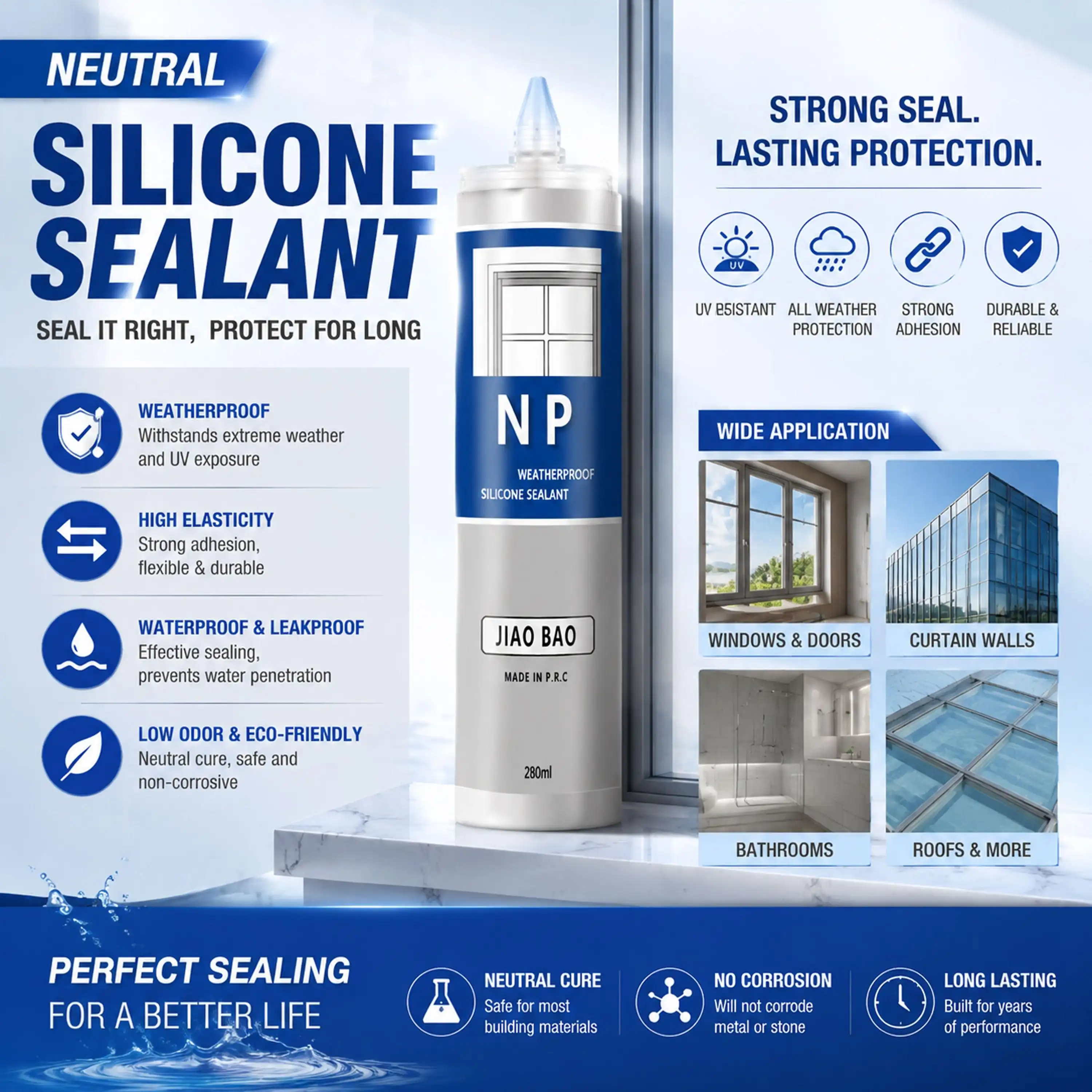
The best NP silicone sealant for aluminum and metal surfaces combines neutral-cure chemistry with exceptional temperature tolerance and non-corrosive properties. Jiaobao's NP Silicone Sealant for Aluminum & Metal stands out with its proven performance across curtain walls, HVAC systems, and metal window manufacturing. With Shore A 30 hardness, 0.7 MPa tensile strength, and a wide service range of -50℃ to +150℃, this one-component RTV sealant delivers reliable weatherproofing without compromising substrate integrity. Backed by ISO and CE certifications and 13 years of manufacturing expertise, it addresses the core challenges B2B buyers face in metal bonding applications.
Neutral-cure silicone sealants are a big step forward in the technology used to bond metal surfaces together. Neutral versions cure through oxime or alkoxy processes, while acetoxy formulations release acetic acid and could damage sensitive substrates. Because of this change in chemical make, they are safe to use with copper, aluminum alloys, galvanized steel, and other reactive metals that are popular in industry and architecture.
The neutral silicone's siloxane backbone makes it naturally flexible and stable in all kinds of environments. When the polymer chains cure, they cross-link without making any harmful results. This keeps metal surfaces from rusting. This chemistry makes it possible for the sealant to keep its flexibility over time, which is very important when aluminum curtain walls grow and shrink due to sun exposure.
The sealant's ability to form continuous, void-free gaps and its hydrophobic nature make it waterproof. Inorganic siloxane structure provides UV protection; it doesn't break down when exposed to sunlight for a long time, unlike organic polyurethanes that can turn yellow and crack. Temperature tolerance from -50°F to +150°F makes sure that it works in a wide range of climates, from the arctic to the desert, where metal surfaces get very hot.
When building a curtain wall, neutral silicone can handle the large amounts of movement that come with large glass and aluminum assemblies. Manufacturers of metal doors and windows use it to seal the edges where the frames meet the glass units. This keeps air and water out while letting the temperature rise. It's used by HVAC workers to seal the joints in metal ducts. This keeps the system working well by stopping air leaks that lower the temperature and raise energy costs.
Procurement teams can make more cost-effective choices when looking at sealant options for metal uses when they know the pros and cons of each chemistry. Polyurethane seals can be painted and stick well, but they break down more quickly when exposed to UV light and usually need to be replaced every 10 to 15 years. Acrylic sealants are cheap and work well for indoor uses, but they don't have the flexibility and weather resistance that metal joints outside need.
Polysulfide seals are very resistant to chemicals and used to be standard in the marine and aircraft industries. But because they are more expensive, need to be mixed in two parts, and can only be used in a small temperature range, they are not as useful for regular ornamental metals. NP Silicone Sealant for Aluminum & Metal fills in these gaps by being long-lasting, easy to use, and compatible with a wide range of substrates at a reasonable price. The material keeps its stretchy qualities for the whole time it's being used, which is usually more than 20 years in well-designed joints.
When choosing a brand, you have to weigh the performance requirements against the difficulties of getting it. Established multinational brands usually charge higher prices but offer a lot of technical information and support networks in different countries. Regional makers like Jiaobao give similar technical performance but offer more customization options, shorter wait times, and quick contact. Our goods are made to meet the standards set by ASTM C920 for elastomeric joint sealants and GB 13477 for national specs. This means they meet the needs of both North American and foreign projects.
The best sealant is chosen based on the specifics of the project. Installations near the coast need to be more resistant to salt spray, while projects at high elevations have to deal with strong UV rays and changes in temperature. For indoor uses, low VOC pollution and quick tack-free times are most important to keep production running as smoothly as possible. Knowing about these external factors helps match the qualities of a sealant to its job requirements.
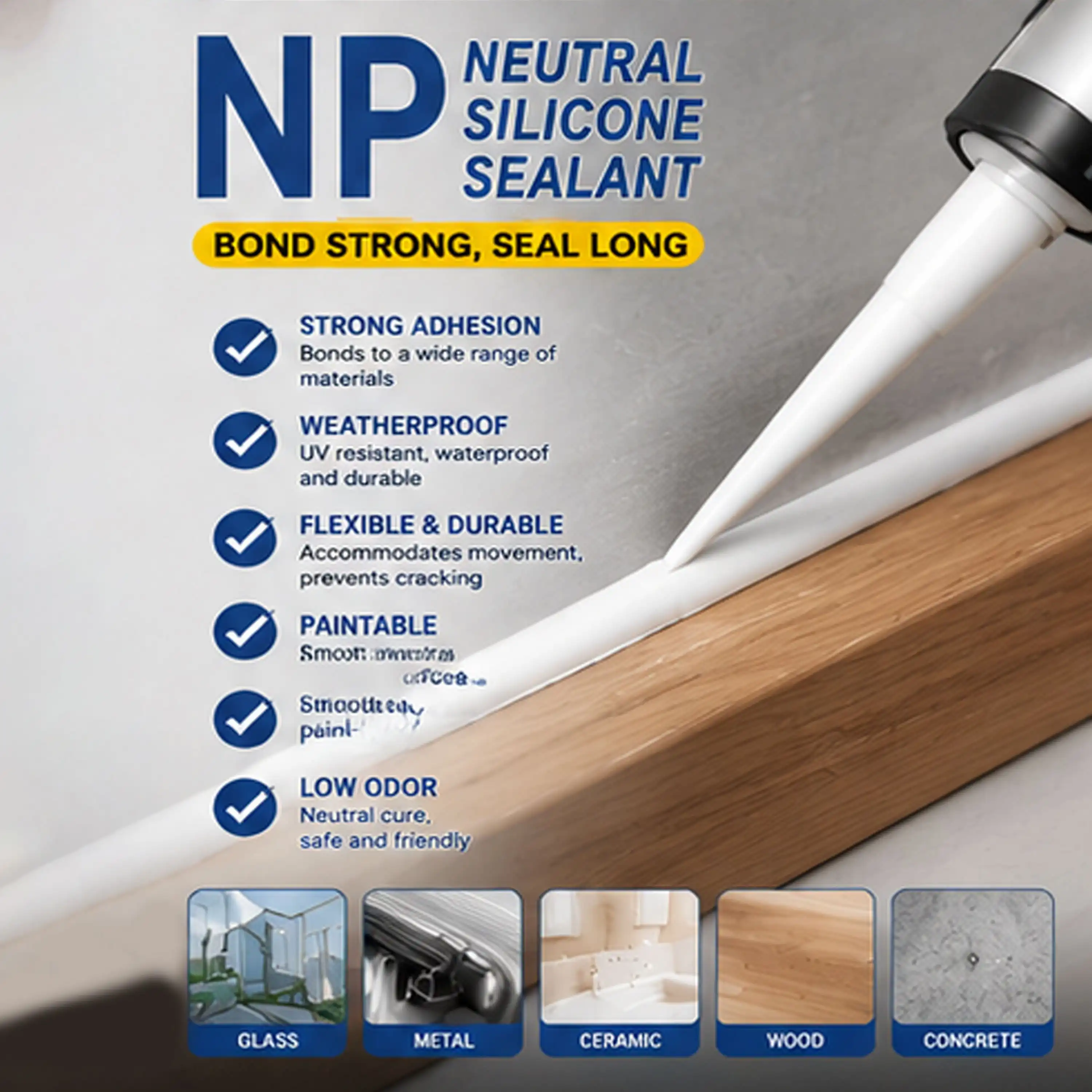
Time needed to cure has a direct effect on project plans and the cost of work. Jiaobao's recipe dries the surface in 30 minutes at room temperature (25°C) and 50% relative humidity, so workers can handle sealed units without smearing them. It takes 7–14 days for a full cure to form, but it happens faster in warm, humid conditions. Heat resistance up to +150℃ makes sure that sealants stay intact in places like HVAC systems where metal tubes carry hot or cold air.
Shore A 30 hardness is a good mix between strength and flexibility. Harder sealants don't bend when they're loaded, but they may transfer stress to substrates when they move thermally. Softer versions can handle more movement, but they might wear out joints quickly in areas with a lot of foot traffic. The 0.7 MPa tensile strength is strong enough for most metal window and curtain wall joints and still allows for 25% movement, which is enough for most architectural growth cases.
When you order in bulk, you should think about things like minimum order amounts, different types of packing, and volume savings. Jiaobao has 300ml and 600ml sizes in sausage and cartridge shapes, so they can be used with both hand guns and automatic dispensing equipment that is used for making a lot of things. Our delivery schedule of one to two weeks works with just-in-time inventory strategies to keep materials available while lowering the cost of storage.
Getting samples lets you test in real work settings before committing to big sales. You can ask for samples in the color you need (white, black, gray, or custom-matched) to make sure they will work with the way things are already done. Technical data sheets with full mechanical and thermal qualities, safety data sheets for the workplace, and certification copies proving ISO and CE standards compliance should all be included in the paperwork.
More than any other factor, the bond's life depends on how well the surface is prepared. Mill oil, rust, and airborne pollutants that stop bonding build up on aluminum surfaces. These hurdles are taken away by the two-cloth method that uses isopropyl alcohol. The first cloth breaks down contaminants, and the second wipes them away before the solvent evaporates and leaves behind leftovers. NP Silicone Sealant for Aluminum & Metal adheres best to such properly cleaned surfaces, ensuring maximum durability. When you touch something clean, it feels less slippery and looks brighter.
The best joint depth-to-width ratios are between 1:2 and 1:1. This is because they control how stress is distributed during movement. Three-sided bonding can't happen because of backing rod or bond breaker tape. This stops sealer from stretching and leads to early failure. Use constant gun pressure to avoid gaps or air spaces and apply the sealant in beads that don't stop. Tooling inside the skin over time makes profiles that are smooth and regular and successfully shed water.
The speed of curing and the final properties are affected by the temperature and humidity during the application. When it's below 5℃, the rate of curing slows down and cross-linking may not be full. High humidity speeds up the neutral fix process, but too much wetness can cause bubbling. If you can, keep the temperature between 15 and 35°C and the humidity between 40 and 70%. If you need to do work outside, change your plan to fit when the weather is good.
Joint appearance, adhesion stability, and cohesive consistency should all be checked every year by inspection methods. Look for chalking, darkening, cracks, or splitting at the bond lines. These are all signs that the service life has ended. Small damage can usually be fixed by removing the damaged parts, cleaning the substrates again, and putting on new sealant. A lot of wear and tear could mean that the wrong product was chosen or that the joint design wasn't good enough, which would require a lot of work to be redone.
Following safety rules keeps workers safe and makes sure that regulations are followed. NP Silicone Sealant for Aluminum & Metal is formulated with a VOC content below 80 g/L, which meets the stricter air quality rules in California (SCAQMD Rule 1168) and all of Europe. When applying in small spaces, make sure there is enough air flow, wear nitrile gloves to protect your skin, and throw away empty cartridges according to your area's rules for hazardous waste.
Performance in the real world shows measured value above and beyond what is required in the study. A curtain wall supplier in Texas said they had no call-backs in three years after switching to Jiaobao's neutral silicone for sealing the aluminum frames. This saved them money on warranty costs that had been caused by corrosion problems with acetoxy. An Ohio HVAC manufacturer cut assembly time by 18% by using our fast-tack formulation. This made it possible to package and ship sealed units the same day.
Authorized dealers offer professional help that goes beyond just delivering the goods. Application training makes it easier for production teams to improve bead shapes and cut down on waste. Certified samples let you test the product thoroughly in your own unique environment, making sure it works well before it's used by everyone. Engineers and builders can make the design process easier when the product comes with detailed paperwork like technical data sheets, MSDS files, and compliance certificates written in English.
Sealant technology keeps getting better so that it can meet the changing wants of the business. Low-modulus formulations can handle panels that are getting bigger in modern building, where thermal movement is greater than what standard joints can handle. Versions that cure faster help keep production moving smoothly in places that make a lot of things. Custom color matching helps architects realize their ideas for sealant joints that look great with anodized or powder-coated aluminum finishes.
To choose the best neutral-cure silicone for aluminum and metal uses, you have to weigh technical performance, ease of procurement, and long-term dependability. This is what Jiaobao's NP Silicone Sealant for Aluminum & Metal offers: tried-and-true formulas backed by certifications, quick production, and full support services. Because we've been in the business for 13 years and are dedicated to quality control, we can guaranty consistent results in a wide range of settings, from artistic curtain walls to industrial HVAC systems.
Working with a seller that knows both material science and business operations can give you a competitive edge, whether you run a metal fabrication shop or are in charge of buying building materials. This is because they can help you avoid mistakes, lower costs over the life of a project, and better results.
Silicone's non-stick surface chemistry keeps paint from sticking, no matter what kind of fix is used. Before applying sealant, metal surfaces must be coated. You can also choose mixed polymer sealants if being able to overpaint is an important part of your finishing process.
Most adhesion problems are caused by not properly preparing the surface. Even high-quality seals can't properly bond when there are oil leftovers, oxidation, and dust on the surface. When a joint isn't designed properly—it has too much depth, three-sided adhesion, or not enough width—stress builds up and tears the seal when the temperature changes.
Higher temperatures and humidity speed up the healing process by making chemical reactions and the spread of water happen faster. At 30°C, the area will dry in 20 minutes, but it will take 45 minutes at 15°C. If it's warm and muggy, the cure might be complete in 5 days. If it's cool and dry, it might take 2 weeks.
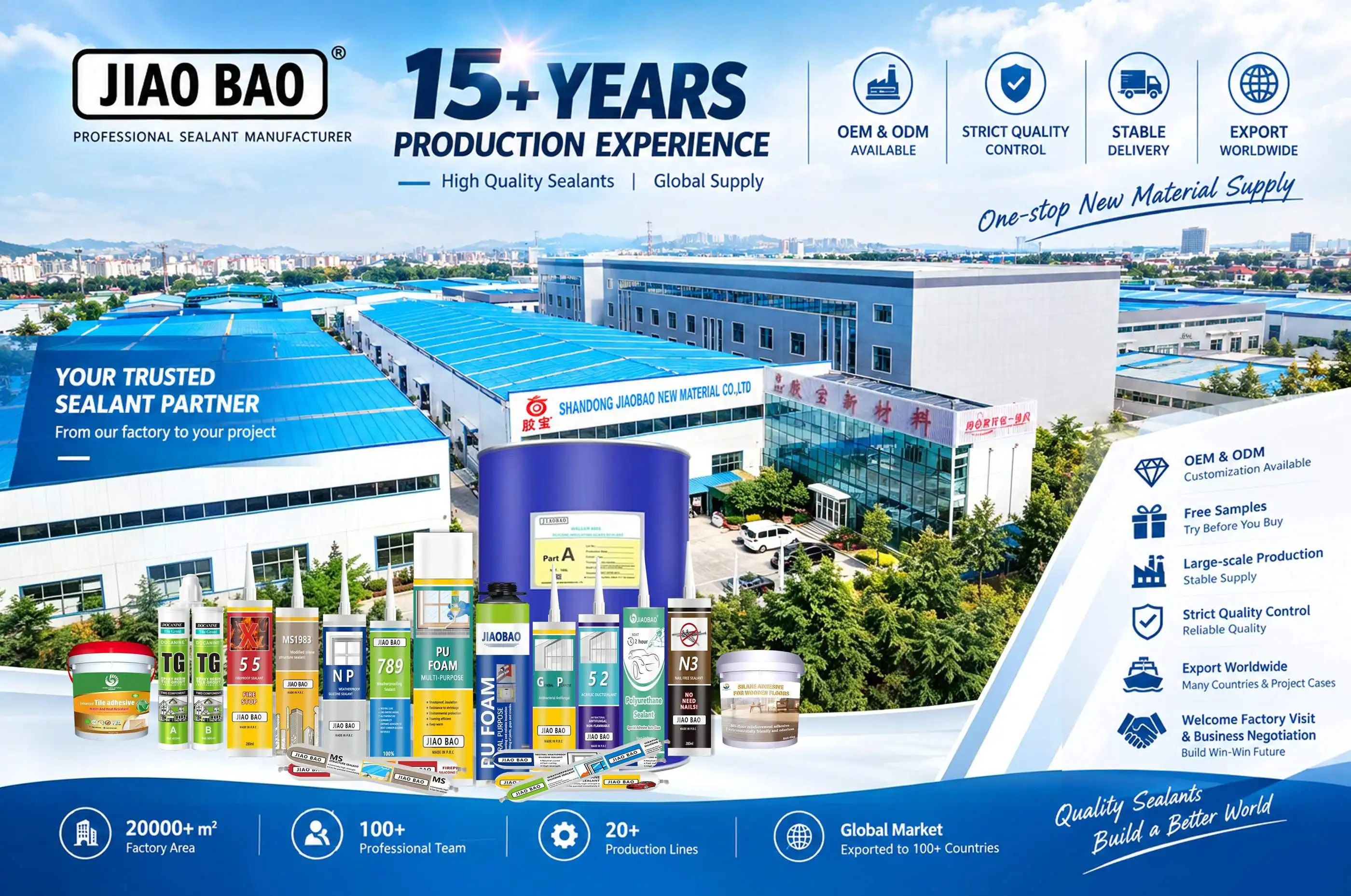
Shandong Jiaobao New Material Co., Ltd. can help you seal metal with professional-grade NP Silicone Sealant for Aluminum & Metal that is made to meet international standards. We offer consistent quality because we are a well-known provider with ISO and CE certifications, strict testing methods, and modern production tools. If you need OEM or ODM customization, we can meet your specific color needs, packaging preferences, and technical formulation needs.
You can get competitive prices on large orders, fast delivery times of one to two weeks, and technical help from our team of experts. You can email us at dorashen@cnjiaobao.com or visit shandongjiaobao.com to get samples, talk about the details of your project, and find out how our neutral silicone solutions can help you make metal parts and install them better.
1. American Society for Testing and Materials. (2020). ASTM C920: Standard Specification for Elastomeric Joint Sealants. West Conshohocken: ASTM International.
2. Building Sealing and Insulation Contractors Association. (2019). Guide to Best Practice in Weatherproofing Building Facades. London: BSICA Publications.
3. China National Standards. (2018). GB 13477: Test Methods for Building Sealants. Beijing: Standards Press of China.
4. European Sealant Association. (2021). Technical Guidance for Silicone Sealants in Glazing Applications. Brussels: ESA Technical Committee.
5. Klosowski, J. M., & Wolf, A. T. (2016). Silicone in Industrial Applications. Berlin: De Gruyter Publishing.
6. National Institute of Building Sciences. (2022). Sealant Performance in Commercial Curtain Wall Systems. Washington: NIBS Technical Report Series.
November 16,2023
Enterprise Name
The sealant has very strong adhesion and performs well even on glass and aluminum. After curing, it remains flexible and shows no cracking. Perfect for our facade projects.
November 16,2023
Enterprise Name
Stable quality across batches. Our customers especially like the smooth application and consistent extrusion. It helps reduce installation time on site.
November 16,2023
Enterprise Name
I used it for bathroom sealing. Excellent waterproof performance and no mold issues so far. It's been holding up very well in humid conditions.
November 16,2023
Enterprise Name
The neutral silicone works well on sensitive materials without corrosion. Very suitable for industrial applications requiring stable performance.
_1779347426672.webp)