November 16,2023
Enterprise Name
The sealant has very strong adhesion and performs well even on glass and aluminum. After curing, it remains flexible and shows no cracking. Perfect for our facade projects.
Sep 1, 2026
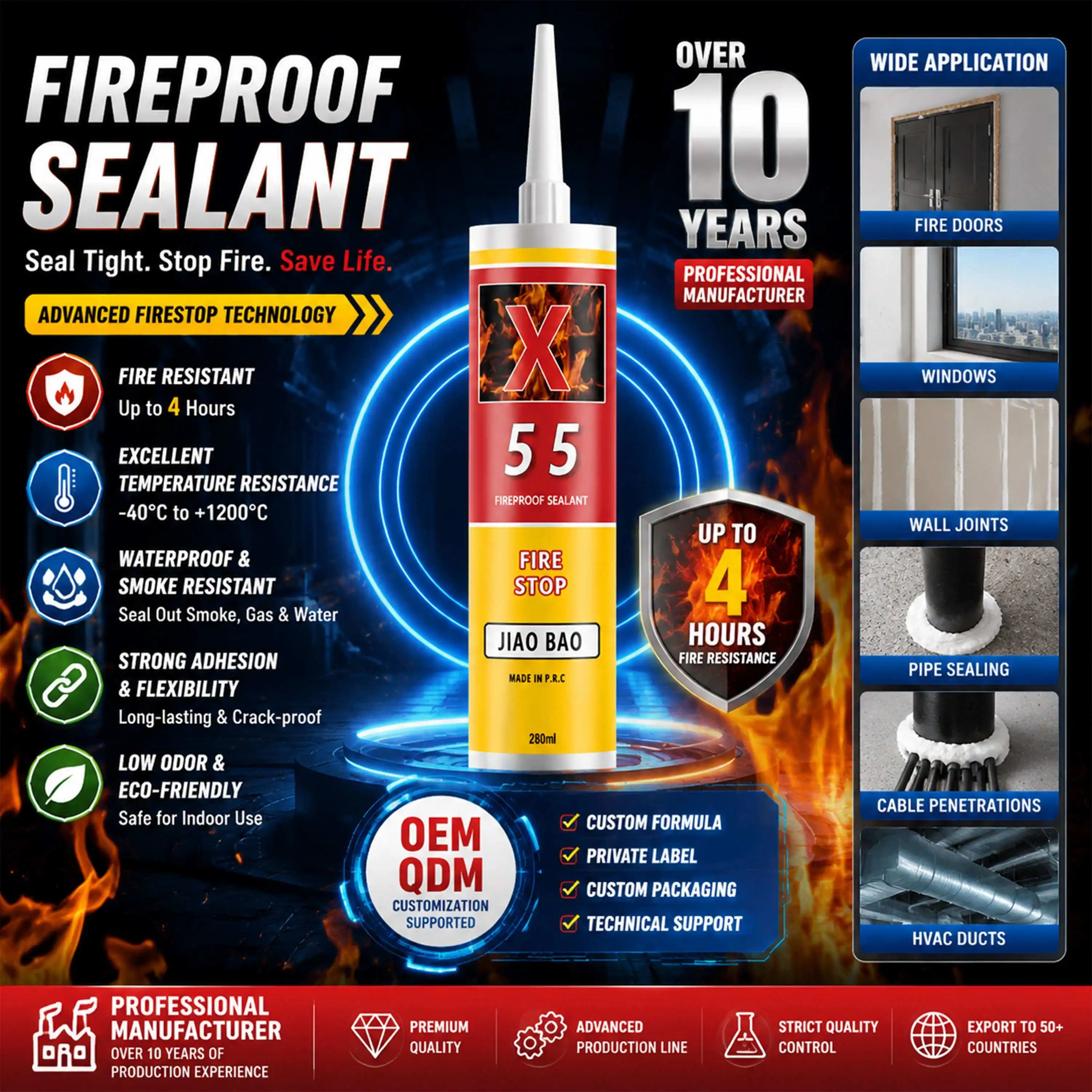
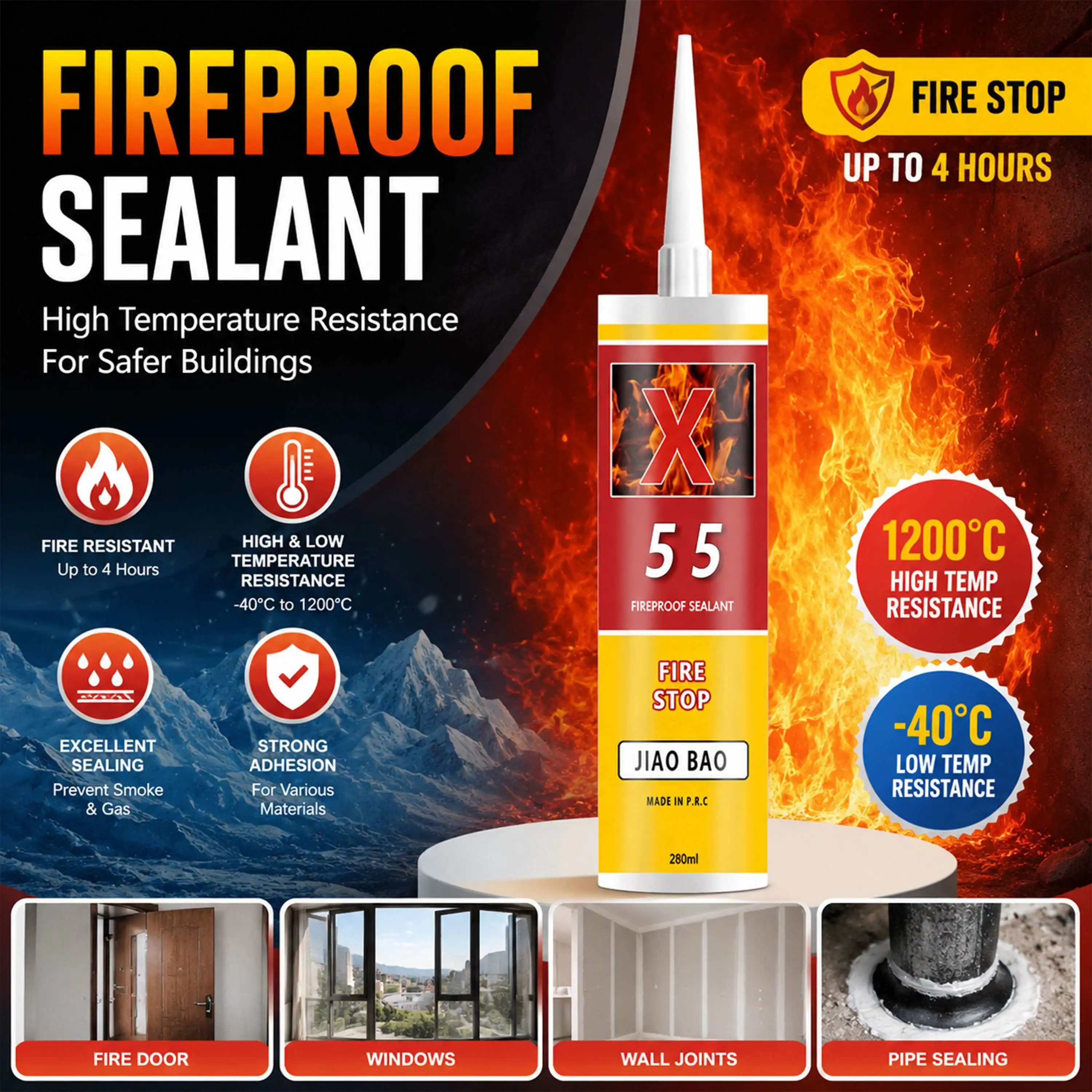
When HVAC systems penetrate fire-rated walls and floors, the openings they create become potential pathways for flames, smoke, and toxic gases during emergencies. Selecting the right fire-resistant sealant is not merely about code compliance—it directly impacts building occupant safety and your project's liability exposure. Firestop Silicone Sealant serves as a critical solution in these applications, offering durable, high-temperature resistance and flexible adhesion that effectively seals penetrations while maintaining the integrity of fire-rated assemblies under real fire conditions.
A high-quality firestop silicone sealant restores the fire-resistance rating of breached assemblies by forming durable, flexible barriers that endure extreme temperatures while accommodating thermal expansion. Understanding the technical specifications, certification requirements, and application best practices ensures your procurement decision protects both lives and investments in commercial and industrial installations.
Firestop Silicone Sealants are an important part of passive fire protection strategies because they are designed to seal holes where mechanical systems go through fire-rated assemblies. Unlike decorative caulks that are used for looks or to keep out the weather, these specialized elastomers keep their shape and stick to surfaces even when they are heated to over 1000°C during fires.
Firestop Silicone Sealants are different from other building materials because of how they are made chemically. These one-part RTV (room temperature vulcanizing) mixtures harden when they come into contact with water. This makes cross-linked polymer networks that stay flexible over a wide range of temperatures, usually between -50°C and +150°C in everyday use. When exposed to fire, the silicone matrix creates a protective char layer that keeps the substrate warm and the seal's integrity.
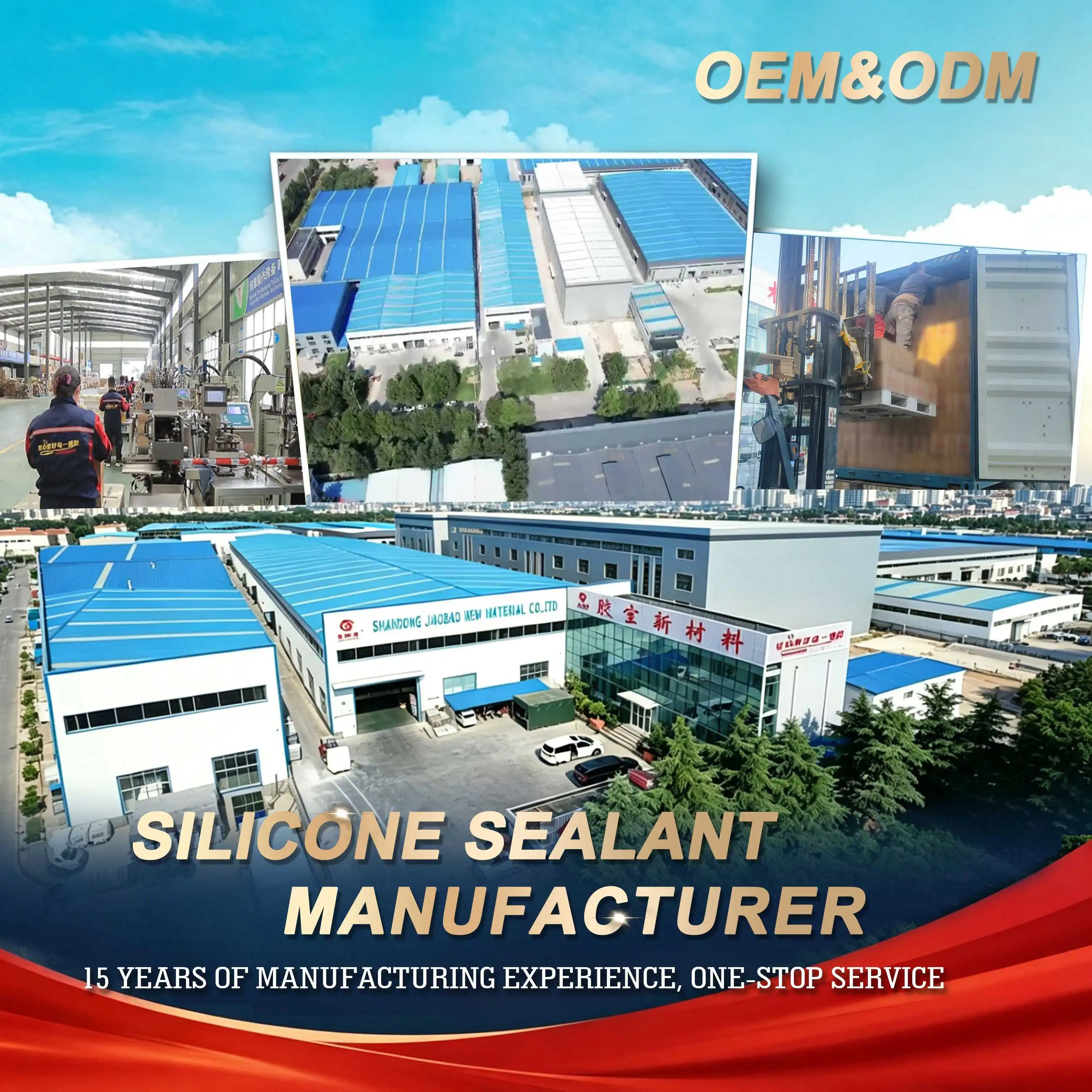
Since 2013, our manufacturing experience at Shandong Jiaobao New Material Co., Ltd. has shown that properly formulated Firestop Silicone Sealants don't sag when used vertically. This is an important performance factor when sealing HVAC ductwork and pipe penetrations because gravity would normally cause the product to slump before curing. The surface of the product dries in 45 to 60 minutes, and it cures to a depth of 3 mm every 24 hours. This means that construction schedules can move forward without long delays.
When purchasing professionals look at passive fire protection options for HVAC penetrations, they come across different types of materials, each with its own set of performance traits. Acrylic-based firestops are good for low-movement joints inside because they can be painted and cleaned up with water. However, they are less useful for mechanical penetrations that are subject to pressure and temperature cycles because they can't handle high temperatures and aren't very flexible.
Polyurethane foam sealants are great at filling gaps in large holes, but they don't allow for movement, which is needed when HVAC systems expand and contract while they're running. When heated, intumescent products expand a lot, which is needed to crush plastic lines that are melting. However, this expansion is not needed and could be a problem when closing metal ductwork and conduit.
Because they have a special mix of traits, Firestop Silicone Sealants work very well in HVAC uses. The substance sticks to both porous surfaces (like concrete and masonry) and smooth surfaces (like galvanized steel, aluminum, and glass). Because this base is so flexible, most uses don't need special primers. This cuts down on installation time and material costs. Curing silicone makes it very resistant to water, which is very important in HVAC applications where condensation often forms around chilled water lines and air handling equipment.
When buying Firestop Silicone Sealants, you have to weigh the costs of following the rules, how well they work technically, and over the course of their entire life. The following evaluation method helps buying managers find goods that meet the needs of a particular project and avoid making mistakes that cost a lot of money.
In the United States, building rules use fire-resistance ratings that are based on regular testing procedures. As the name suggests, ASTM E814 (which is the same as UL 1479 in terms of what it does) tests through-penetration firestop systems by recording both F-rating (time to flame passage) and T-rating (time until the exposed surface temperature rises 325°F above ambient). When HVAC penetrations happen, T-rating is very important because too much heat can set fire to things on the side that isn't on fire, even if the flames stay limited.
Our Class 1 W-rated Firestop Silicone Sealant has been tested and shown to be resistant to water. This addresses a common failure mode where water getting in and lowering fire protection over time. In temperatures ranging from -50°C to +150°C, the product keeps its protective properties. This means it works reliably in both refrigeration and hot water pipe situations. The material has a density of 1.40±0.05 g/m³ and 99.5% non-volatile components, so it performs consistently and doesn't shrink when it cures, which is important for keeping the seal integrity in dynamic joints.
Different types of materials are used in HVAC systems, such as galvanized steel ductwork, copper refrigerant lines, PVC condensate drains, and fiberglass insulation. The chosen Firestop Silicone Sealant must be able to reliably stick to all things that go through it and the building materials around it, without needing a lot of surface preparation or special primers.
Adhesion-in-peel testing according to ASTM C794 standards checks the bond strength to certain substrates under different aging conditions. When surfaces go through the thermal cycling that happens a lot in mechanical systems, where temperature differences cause them to expand and contract, high-quality silicone formulations keep sticking to them. This is because rigid sealants would break or goods that aren't flexible enough would come apart.
The real cost of firestop devices is not just the money spent on materials and installation, but also the cost over the building's full useful life. Frequent review, touch-up, or replacement of products leads to ongoing upkeep costs and could leave the building without fire protection for short periods of time.
Silicone technology is much more durable than other materials, and systems that are installed correctly can keep working for decades without breaking down. Because the material is naturally resistant to UV light, ozone, water, and organic growth, it doesn't fail in the ways that acrylic and polyurethane goods do. Our 300ml and 600ml cartridge and sausage packing choices have a 12-month shelf life, which gives you more options for managing your inventory and makes sure that fresh materials get to job sites on time.
To make smart buying choices, you need to know how different passive fire safety systems work in HVAC settings. Real-world performance data shows that different product categories have very different levels of durability, ease of installation, and ability to meet building codes.
Acrylic latex firestop caulks are popular with contractors who want to clean up water and paint over them, but they can only move a small amount (about 12.5% of a joint's movement is normal), which isn't enough for mechanical penetrations. When HVAC systems turn equipment on and off, the sizes of the parts often change more, which can cause acrylic covers to crack and separate from the surfaces. The water-based chemistry also raises worries about how sensitive it is to wetness in damp places or places where water might be present.
In passive fire protection, intumescent materials that are made to expand when heated do certain jobs. For example, when a plastic pipe goes through a hole, the expanding collar pinches the melting pipe to keep the firestop in place. Adding intumescent technology to metal HVAC ductwork, on the other hand, doesn't improve performance and adds extra complexity and cost that aren't needed. The device for growth can also make forces that hurt nearby building materials or things that go through them.
Firestop Silicone Sealants are more flexible and can move anywhere from ±25% to ±50%. This makes them perfect for the heat expansion and contraction cycles that happen in HVAC systems. We tested it according to GB 13477 and found that it doesn't sag at 0mm flow. This means that it can be used safely in vertical and overhead penetrations without the need for formwork or temporary support. When compared to systems that need backing materials, dams, or multi-step application processes, this faster construction directly leads to lower labor costs.
The real benefits of silicone technology in HVAC systems can be seen in the commercial building projects we've worked on for our clients. Our Firestop Silicone Sealant was used on more than 200 ductwork penetrations through fire-rated floor assemblies in a recent high-rise office tower project. The contractor said that the product's non-sag formula and single-component application method, which doesn't require mixing or any special tools, made installation 30% faster than on previous projects that used other technologies.
When current HVAC systems are still working during building, it can be very hard to do mechanical room upgrades in hospitals. The surface dries in 45 to 60 minutes, so workers can apply sealant and move on to other tasks without having to wait for a long time. The low smell of the material, which is typical of neutral-cure silicones, also keeps nearby busy areas as quiet as possible. These useful performance factors are often just as important as fire ratings when it comes to figuring out how much a project will cost and how well it will stay on schedule.
To get good fire protection, you need to do more than just use materials that meet the standards. The way the system is installed also affects how well it works in real fires. The following rules are based on best practices in the business and what we've learned from installing thousands of systems successfully.
Firestop Silicone Sealants that last a long time need to be put on clean, dry surfaces. Clean all the surfaces in the joint area of dust, loose concrete, oils, release agents, frost, and water that is still standing. Many Firestop Silicone Sealants can stick to surfaces without primers, but surfaces that are porous or very alkaline may need a primer to help them stick better. If you are working with unusual substrates or in critical situations where the strongest bond is needed, do small test areas.
Joint geometry has a big effect on how well sealants work and how valid fire ratings are. Listed firestop systems say how big the annular space can be that is between the thing that is penetrating and the opening's edge. If these measurements are exceeded, the fire rating may not be valid, and you may need to use extra covering materials or other firestopping methods. Our technical team helps workers make sure that the conditions on the job site match the tested system settings. This keeps expensive specification mistakes from happening.
Cut cartridge or sausage nozzles at a 45-degree angle so that the diameter is just a bit smaller than the width of the joint. This lets you place the material precisely. Use constant pressure on hand or pneumatic guns to make sure the sealant flows evenly. Apply the sealant in beads that don't have any holes or voids. As soon as the sealant is applied, it should be worked over to make sure it covers all surfaces and gets rid of any air spaces that might affect how well the fire works.
Fill in all the gaps around pipes and conduit to the minimum thickness required by the tested system. This is usually between 25 mm and 50 mm, but it depends on the fire rating and the diameter of the object that is going through. In normal conditions, shallow installations may dry properly, but they may fail in a fire because heat can get through the material more quickly if it isn't thick enough. When closing holes in HVAC ductwork, keep some space around the edges of the ducts so that heat can expand without putting stress on the firestop seal.
Acidic-cure Firestop Silicone Sealants give off acetic acid vapors as they cure, which gives them a distinct vinegar smell. Make sure there is enough air flow during the application and drying processes, especially in small spaces or places that don't have a lot of air flow. If airflow isn't good enough, workers should wear the right safety gear, like safety glasses, gloves, and masks to protect their lungs. Check the product's Safety Data Sheet (SDS) for full instructions on how to handle it and what to do in an emergency.
For firestop systems, keeping records of the product maker, listing agency, system designation number, installer's name, and the date of installation for each entry is required. In many places, firestop workers need to have special licenses, and building officials often check firestop devices before letting people move in. Keeping paperwork in order shows that you are following the rules and makes it easier to do renovations in the future when current penetrations need to be changed.
When choosing a strategic supplier for Firestop Silicone Sealants, you need to think about how well the product works, how reliable the supplier is, and the total cost of ownership. When it comes to this specific type of product, the following things can help buying pros get the best value while also minimizing risk.
Specification risk is lower with established manufacturers whose products have been tested extensively and shown to work well in the field compared to suppliers who sell generic products with limited certification. Companies that have ISO quality management systems and the right product certifications show that they are committed to consistent manufacturing standards. This is very important when a product failure could put lives at risk and leave a company open to a lot of liability.
Shandong Jiaobao New Material Co., Ltd. uses ISO-certified quality systems to make sure that each batch is the same. Every production run goes through testing protocols to check the density, non-volatile content, cure speed, and application properties. Because we've been making things for 13 years, we've set up quality control procedures that keep product specifications within tight ranges. This keeps performance from varying, which happens with less strict manufacturers. This consistency is especially helpful for big projects that need a lot of shipping of materials over long periods of time.
Specialty building chemicals, like Firestop Silicone Sealants, have very different unit prices that depend on how much you buy, how you package it, and how you send it. Purchasing agents can deal better and make the most of their buying strategies when they understand how prices work. Our basic package comes in 300ml and 600ml sizes, in both sausage and cartridge shapes, so it can be used for a range of application methods and project sizes. Contractors who use hand applicator guns like cartridges better than sausage packing for air filling equipment.
At different threshold levels, volume discounts become available. You can save a lot of money by combining purchases for multiple projects or organizing purchases between related organizations. A lot of big construction companies make annual supply deals that set commitments on volume in exchange for better prices and guaranteed availability. These kinds of deals are good for everyone involved. They help producers plan their production better by giving them more information, and they help buyers plan their budgets and get what they need when supplies are low.
Because choosing and installing a firestop system can be hard, technical support is an important thing that sets suppliers apart. Specification mistakes and installation problems are less likely to happen when manufacturers offer a wide range of technical resources, such as system selection guides, installation instructions, and helpful technical advisors. Our technical team helps builders choose the right system, understand listing standards, and prepare submittals for projects with complicated clearance processes.
Product warranty terms and how quick sellers are after the sale show which ones really stand behind their goods and which ones just see sales as a transaction. If there are any quality problems with the product during its shelf life, we will either repay or replace it. This shows that we are confident in our producing standards and want all of our customers to be happy. This promise gives buying professionals a way to get their money back if there are major problems. This keeps project budgets safe from having to pay for unnecessary replacement costs.
When choosing the right Firestop Silicone Sealant for HVAC penetrations, you need to think about how well it works technically, how well it meets regulations, and how easy it is to put. Silicone technology is the best choice for mechanical system applications where temperature cycling, vibration, and moisture exposure are problems for less durable materials because it is more flexible, resistant to temperature, and compatible with a wide range of substrates.
Verified fire ratings, consistent manufacturing quality, and a supplier's technical support should be given more weight than price alone when making purchasing decisions. This is because firestop system failures have effects that go far beyond material cost savings. Purchasing managers can be sure that the goods they choose will protect building occupants and work well for a long time if they use the review criteria and best practices listed above.
Painting over finished Firestop Silicone Sealant is usually not a good idea because the surface of the material is not porous and doesn't let water-based or solvent-based coats stick to it. For projects that need to fit the look of the materials, the maker should be asked to provide custom-colored sealant. You can choose from white, black, gray, or a custom color to match the other building materials around you. On the other hand, plan the joints so that the caulk is hidden from view.
When compared to acrylic alternatives, Firestop Silicone Sealant formulations are more flexible, resistant to water, and stable in UV light. Since silicone has these qualities, it can be used outside, in joints that move a lot, and in places that get wet. Acrylic products are good for low-movement joints inside because they are easy to clean up with water and paint. When it comes to long-term durability, our Firestop Silicone Sealant lasts longer than many acrylic formulations and cures faster—3 mm per 24 hours.
The surface usually dries in 45 to 60 minutes, which means that light contact won't hurt it. On the other hand, full cure moves inward at a rate of about 3 mm per 24 hours from the exposed surface. After the Firestop Silicone Sealant has formed a skin, HVAC systems can work, but it's best to avoid too much vibration for the first 24 hours to help the bond form. Depending on the joint depth and the weather, deep seals in big circular spaces may need several days to fully cure.
When a project needs solid passive fire protection, Shandong Jiaobao New Material Co., Ltd. brings 13 years of specialized experience to the table. Our one-part RTV Firestop Silicone Sealant is Class 1 W water resistant and has been tested and shown to work from -50°C to +150°C. It comes with full testing documentation and ISO-certified manufacturing quality. We can meet both normal procurement and OEM/ODM needs with flexible order quantities, shipping times of one to two weeks, and quick expert help.
You can email our team at dorashen@cnjiaobao.com to talk about your unique application needs, get detailed datasheets, or set up product samples. We are the best place to get fire-rated sealant solutions because our products work well, our prices are low, and our service is reliable. This is true whether you are a firestop contractor looking for reliable materials for current projects or a distributor comparing suppliers.
1. Building Sealing Council. (2021). Guidelines for Fire-Resistant Joint Systems in Commercial Construction. Technical Publications Division.
2. International Fire Protection Association. (2022). Passive Fire Protection: Materials, Testing, and Installation Standards. Professional Reference Series.
3. Martinez, R. & Thompson, J. (2020). Mechanical Systems Fire Safety: Code Compliance and Best Practices. Construction Industry Press.
4. National Fire Safety Foundation. (2023). Firestop Systems for Building Penetrations: Specification and Performance Guide. Engineering Standards Committee.
5. Peterson, L. (2019). Silicone Sealant Technology in Construction Applications. Building Materials Research Institute.
6. United States Building Code Council. (2022). Fire Resistance Ratings for Through-Penetration Protective Systems. Code Commentary Volume 8.
November 16,2023
Enterprise Name
The sealant has very strong adhesion and performs well even on glass and aluminum. After curing, it remains flexible and shows no cracking. Perfect for our facade projects.
November 16,2023
Enterprise Name
Stable quality across batches. Our customers especially like the smooth application and consistent extrusion. It helps reduce installation time on site.
November 16,2023
Enterprise Name
I used it for bathroom sealing. Excellent waterproof performance and no mold issues so far. It's been holding up very well in humid conditions.
November 16,2023
Enterprise Name
The neutral silicone works well on sensitive materials without corrosion. Very suitable for industrial applications requiring stable performance.
_1779347426672.webp)