November 16,2023
Enterprise Name
The sealant has very strong adhesion and performs well even on glass and aluminum. After curing, it remains flexible and shows no cracking. Perfect for our facade projects.
Jun 16, 2026
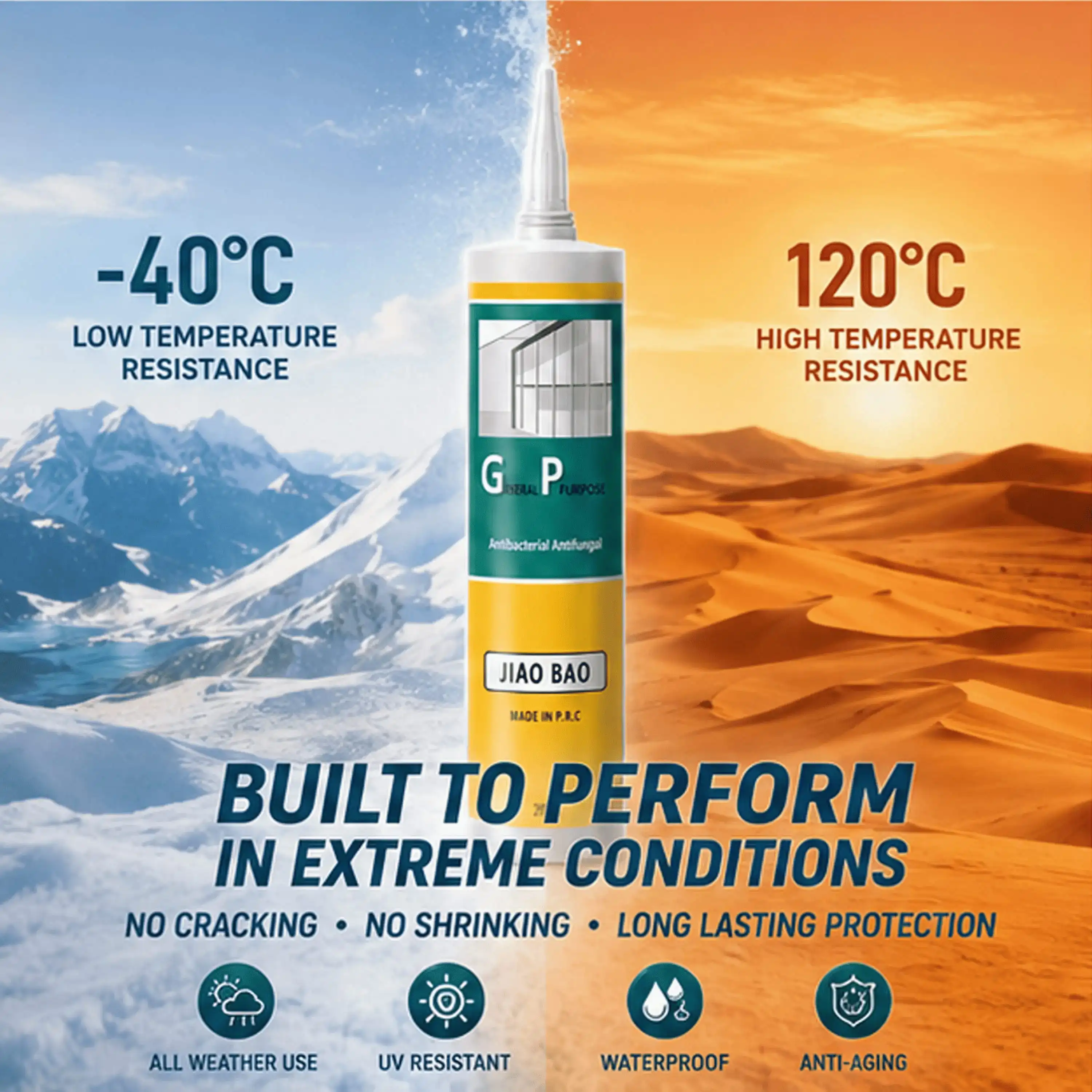
Yes, silicone sealant is very good at withstanding heat, which makes it a popular choice for tough industry and building jobs. Good Fireproof Building Silicone Sealant usually works well in temperatures between -50℃ and +150℃, and some special versions can handle temperatures even higher than 200℃. This temperature stability comes from silicone's special chemical structure, which doesn't break down when it's heated up very high. Acrylic or polyurethane options crack, melt, or lose their ability to stick when heated, but silicone stays flexible and sticks well. Because of this, it is necessary for curtain wall perimeter joints, HVAC installs, and automobile uses where temperature changes often.
If we want to know if a sealant can handle heat, we need to look at both long-term temperatures and short-term temps during fires. Silicone resins are better than organic seals because of the way they are made chemically.
When sealants fail because of heat, they put project managers and sourcing professionals at great risk. Companies that make curtain walls know that poor temperature performance can cause seals to fail, water to get in, and expensive repairs to be needed. A business building's glass wall experiences big changes in temperature throughout the day. In the summer, surface temperatures can hit 80℃ or higher. In these situations, standard coatings become less strong or sag, which weakens the building shell.
The temperature conditions for clients in industrial manufacturing are even tougher. For example, companies that make HVAC equipment need sealants that stay strong near heated parts, and companies that make car parts need materials that can handle the high temperatures inside the engine area without giving off volatile chemicals. When you choose the wrong materials, you face more problems than just the cost of repairs. You could also be held legally responsible, cause projects to be delayed, and hurt your image.
Silicone polymers have a silicon-oxygen backbone that makes them much more thermally stable than carbon-based polymers. This chemical structure doesn't break down easily when exposed to oxygen and stays flexible at a lot of different temperatures. When Fireproof Building Silicone Sealant is made correctly with heat-resistant fillers and stabilizers, they form protective char layers that keep the materials below from getting too hot and stop the flame from spreading through sealed gaps.
The success of high-temperature sealants comes from their careful preparation. Manufacturers add flame-retardant chemicals that react endothermically with fire, soaking up heat energy and slowing down the burning process. These additives work well with silicone's natural resistance to fire to meet strict fire safety standards such as ASTM E814 and UL 2079. These standards make sure that parts keep their fire-resistance grade for certain amounts of time.
Aluminum frames that expand and shrink a lot with changes in temperature need heat-resistant seals in door and window factories. The sealer has to be able to bend while still keeping a weathertight seal. This stops air leaks that wastes energy. Broken bridge aluminum systems are common in business building. They make thermal breaks that stop heat from moving, but they need sealants that can work across the full temperature range, from inside heated areas to outside surfaces.
High-temperature sealants are used in stone processing plants for uses that use heated stone fabrication tools and for outdoor projects where direct sunshine raises the surface temperature. For glass deep processing plants to work properly, they need materials that can cure properly and stay attached to different glass coats and treatments, even when parts are heated up or put on south-facing sides.
International buying teams face unique hurdles when they try to find the right heat-resistant sealants. Different markets have very different regulatory settings. For example, projects in the US must follow ASTM standards, while projects in Europe must follow EN specs. Companies that make curtain walls and sell them in more than one market need to make sure that the sealer makers they work with have the right certifications for each market.
Problems in the supply chain have made people more worried about the regularity and quantity of materials. General builders who are working on multi-phase projects can't afford to change the sealant in the middle of the project if it means sacrificing efficiency or regularity. This means that seller dependability is an important factor in choosing a sealant, especially for colored sealants where matching the color from batch to batch is what determines the quality of the look.
Verification of quality makes foreign buying more difficult. Before selecting materials for projects where failure would be catastrophic, technical managers need test data from a third party that proves the materials' heat performance, UV resistance, and ability to move. As part of the buying process, samples are usually tested in settings specific to the project. This is followed by factory audits to check the accuracy of production and quality control systems.
Strategies for managing risk when specifying, purchasing, and installing Fireproof Building Silicone Sealant need to take into account the long times these processes require. Wholesalers of building materials who keep stock for quick-turn projects are limited in different ways than general builders who buy materials for specific stages of a project. Both need providers that can handle a range of order sizes, quick responses to messages, and reliable delivery plans that work with building timetables.
These days, digital tools help procurement teams quickly evaluate sealant providers and goods. Technical data sheets, approval papers, and test results can now be easily found on seller websites, which lets you do some preliminary research before getting in touch. This openness makes it easy for buying managers to find suppliers whose goods meet the needs of the project without having to talk back and forth for a long time.
With automated procurement tools, you can compare prices and keep track of your orders from a lot of different providers and product lines. Electronics and electrical device factories that buy sealants for ongoing production runs can use systems that automatically replace when certain amounts of inventory are reached. This keeps the factories' supplies full without letting extra stock build up. These systems also keep records of compliance, which makes checks and quality assurance reviews easier.
Performance data show how reliable a source has been over time. Production managers can keep an eye on their network of suppliers to make sure deliveries are made on time, products are consistent, and problems with quality are dealt with quickly. This method, which is based on data, finds partners who do a good job and are worth working with for a long time. It also finds sellers whose work is getting worse over time.
Communication technology gets around the problems of time zones and language hurdles that used to make foreign business hard. Video meetings let technical engineers talk directly with suppliers about customizing formulations, which helps them understand more about application needs and performance standards. Digital color-matching tools help interior design firms explain clear aesthetic needs for colored sealants, cutting down on sample changes and speeding up project timelines.
To build relationships with reliable sealant providers, you need to do more than just look at price quotes. ISO certification is a basic way to make sure quality management systems are working, but buying teams should also check for job-specific certifications—such as ASTM C920 compliance for building sealants, UL listings for fire-rated assemblies (critical for Fireproof Building Silicone Sealant), or other industry-specific approvals.
Financial stability reviews keep supplies from being interrupted when a seller goes bankrupt. If a seller suddenly leaves the market, it could cause a lot of problems for custom furniture companies that rely on certain colored sealant formulas. Part of doing your research before buying something is looking at how long the seller has been in business, how much they can produce, and how many different kinds of customers they have.
Performance tracking tools hold suppliers accountable after the original decision. Manufacturers of bathroom fixtures should set up testing procedures for new products that check the accuracy of color, curing time, and adhesion power against standards. By keeping records of these checks, you can make objective performance records that help you decide whether to repeat the contract and give you power to deal with quality issues.
Communication timeliness is one of the best ways to tell if a company is reliable. Companies that trade across borders value providers who answer technical questions quickly, keep them up to date on production plans, and are flexible when order changes need to be made. This responsiveness is especially helpful when problems come up, which they always do on complicated building jobs.
The goal is to cut costs without lowering quality, which takes more than just negotiating prices. Volume consolidation across various production or project sites allows for bulk purchases that get better prices and make sure that the quality of the materials is the same across all placements. Home appliance companies can use the same sealant formulas for all of their product lines. This makes buying easier and lets them get better terms by taking advantage of their large volume.
When negotiating a contract, the total cost of ownership should be talked about, not just the unit price. A sealer that costs 15% less but needs to be reapplied every five years ends up being more expensive than a high-quality product that lasts fifteen years. When companies that make prefabricated buildings compare different goods, they look at the total cost of ownership, which includes work for installation, expected service life, and fixing problems that might happen.
Demand forecasting lowers the cost of keeping goods on hand and stops stock-outs that cause production or installation plans to slip. When companies that make HVAC equipment work together with suppliers of sealants to plan, they can share production forecasts that help suppliers hold manufacturing space and raw materials. This teamwork makes sure that there is enough stock during times of high demand without needing too much safety stock.
Flexible sourcing methods find a good mix between minimizing costs and managing risks. Hardware wholesalers might keep primary suppliers for standard colors and qualify secondary sources for custom recipes. This keeps the market competitive while making sure they have enough backup supplies. This method works especially well for OEM uses where the availability of products has a direct effect on production plans.
Being in line with laws for Fireproof Building Silicone Sealant is getting harder as fire safety and environmental rules change. Building codes now include fire-resistance ratings for curtain wall assembly perimeters, meaning sealants must be tested and listed for specific assembly configurations. Procurement managers need to verify that their chosen Fireproof Building Silicone Sealant has the right certifications, rather than relying on general performance claims.
Sustainability issues affect buying choices in all kinds of businesses. Low-VOC formulations meet the standards for LEED approval for business projects and make buildings healthier for both users and installers. Stone processing companies are looking for sealants that are made in ways that are less harmful to the environment. This helps their supply lines match up with their company's sustainable goals.
Ethical buying includes where the raw materials come from and how the workers are treated in factories. Environmental and social governance standards are used by responsible buying teams to judge suppliers. They know that practices that aren't sustainable can hurt the company's image. Being open about where ingredients come from and how products are made helps people make choices that balance performance, cost, and social concerns.
People who want to reduce their carbon footprint are looking for sellers who can produce locally or who have good logistics networks that reduce the amount of pollution caused by movement. Even though most silicone sealant is still made in a few areas, customers' sustainability goals are aligned with providers who show a commitment to business efficiency and the use of renewable energy. Customers can report on Scope 3 pollution in their supply chains more easily if these attempts are written down.
In demanding industrial and construction settings, the performance gap between good and great sealants is defined by their heat protection—a category where Fireproof Building Silicone Sealant excels. Silicone science has built-in benefits that other materials can't match, especially when high temperatures need to be maintained or fire safety rules need to be followed. Finding suppliers with proven technology performance, reliable delivery, uniform quality, and quick help is key to successful procurement. Investing in high-quality heat-resistant sealants pays off in the form of longer service life, lower upkeep costs, and the ability to confidently follow building rules that are getting stricter. Strategic relationships with well-known makers who know exactly what you need for your application turn buying from a necessary evil into a way to gain a competitive edge.
Professional-grade silicone seals can usually work well in temperatures ranging from -50°C to +150°C for long periods of time. Specialized fire-rated formulas can survive short-term temperatures above 200℃ during fires and still keep their seal. This wide range works in a lot of different temperatures and situations, from cold storage rooms to high-heat factories.
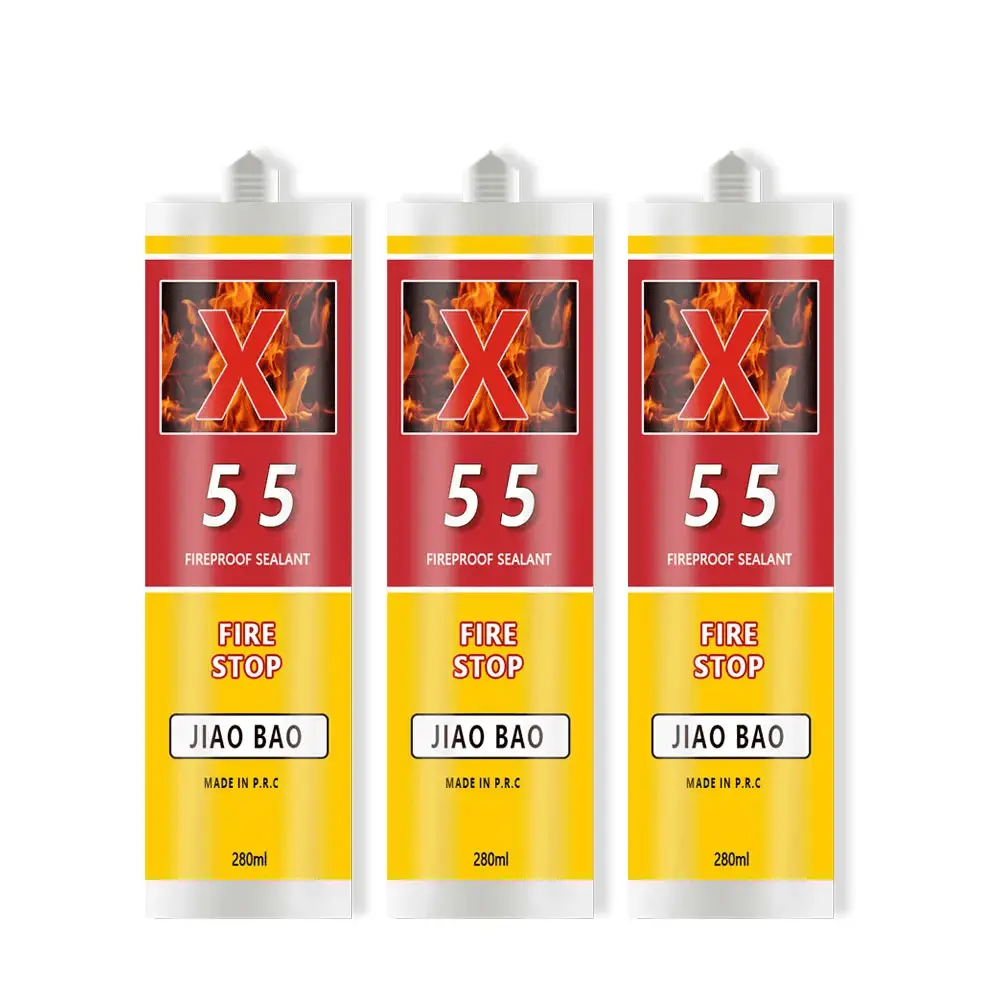
Formulations that are approved for fire contain flame-retardant ingredients that, when exposed to fire, make protective char layers that stop flames and smoke from getting through sealed joints. These items are put through a lot of tests to make sure they meet standards like ASTM E814 and UL 2079, which guarantee certain fire-resistance times. Standard architecture sealants don't have these additives or approvals, so they can't be used in fire-rated systems even though they can handle standard building operations with enough heat resistance.
According to ASTM C920 standards, premium silicone sealants keep their high flexibility after they cure, allowing joints to move by ±25% to ±50%. This is very important because building materials get bigger and smaller as the temperature changes. When temperatures change, rigid seals break. But flexible silicones can stretch and compress without losing their stickiness or creating gaps that make them less fire or weatherproof.
Choosing the right heat-resistant sealant provider has a direct effect on the success of your project and the speed of your operations in the long run. Jiaobao was founded in 2013 as a specialized producer of Fireproof Building Silicone Sealant. With over 13 years of production experience, they offer steady quality. Our formulas work effectively from -50°C to +150°C, and they have ISO and CE certifications that show they meet world standards.
Our production is flexible enough to handle orders from 300ml to 600ml in both cartridge and sausage packing, whether you need standard colors or special RAL matches. We can meet your project's deadlines and needs because we can turn things around in one to two weeks and do full OEM/ODM work. Technical managers like that we offer quick help and a quality guarantee. If there are any problems during the shelf life, we will repair the item or give them a refund right away. Email our team at dorashen@cnjiaobao.com to talk about how our heat-resistant sealing options can help your next job.
1. American Society for Testing and Materials. "ASTM C920: Standard Specification for Elastomeric Joint Sealants." ASTM International, 2018.
2. Underwriters Laboratories. "UL 2079: Standard for Tests for Fire Resistance of Building Joint Systems." Underwriters Laboratories Inc., 2020.
3. Klosowski, J.M. and Wolf, A.T. "Silicone Sealants in Construction: Performance and Testing." Construction Materials Journal, vol. 34, no. 2, 2019, pp. 156-174.
4. National Fire Protection Association. "NFPA 285: Standard Fire Test Method for Evaluation of Fire Propagation Characteristics of Exterior Wall Assemblies." NFPA, 2019.
5. European Committee for Standardization. "EN 1366-4: Fire Resistance Tests for Service Installations - Part 4: Linear Joint Seals." CEN, 2020.
6. Chen, Robert and Morrison, Linda. "Thermal Performance of Elastomeric Sealants in Curtain Wall Applications." Journal of Building Envelope Design, vol. 12, no. 3, 2021, pp. 88-102.
November 16,2023
Enterprise Name
The sealant has very strong adhesion and performs well even on glass and aluminum. After curing, it remains flexible and shows no cracking. Perfect for our facade projects.
November 16,2023
Enterprise Name
Stable quality across batches. Our customers especially like the smooth application and consistent extrusion. It helps reduce installation time on site.
November 16,2023
Enterprise Name
I used it for bathroom sealing. Excellent waterproof performance and no mold issues so far. It's been holding up very well in humid conditions.
November 16,2023
Enterprise Name
The neutral silicone works well on sensitive materials without corrosion. Very suitable for industrial applications requiring stable performance.
_1779347426672.webp)