November 16,2023
Enterprise Name
The sealant has very strong adhesion and performs well even on glass and aluminum. After curing, it remains flexible and shows no cracking. Perfect for our facade projects.
Jul 7, 2026
There is a clear difference between silicone glue and silicone sealer. Sealants work by filling in holes, keeping water out, and keeping their flexibility so that joints can move. Adhesives are designed to stick things together strongly. This gap is filled by the GP Silicone Sealant High Adhesion Formula, which improves bonding power while keeping the flexibility and weather protection needed for closing tasks. Because it can do two things at once, it's very useful for curtain wall systems, installing doors and windows, and industrial making where both closing and sticking are important.
Do you know what silicone sealants and silicone adhesives are? Getting the Basics Down. When purchase managers and project engineers understand the basic differences, they can choose the right product for each purpose. Both goods use silicone polymer science, but they are made differently and aren't meant to be used in the same way.
Sealants made of silicone fill in cracks and holes in building walls to keep water and air from getting in. Their main job is to make weatherproof, flexible walls that can adapt to changes in temperature and building movement. These days, different mixtures heal by absorbing water from the air. This makes springy rubber that keeps working even when the temperature changes. These are the kinds of materials that builders use to seal around windows, fill expansion gaps in walls, and keep bathrooms dry. Because they are flexible, sealed joints can be pushed together or stretched without affecting the seal's stability.
Silicone sealants focus more on how well they bond than how well they fill gaps. These items permanently join different kinds of materials together, like metal to glass or plastic to clay. Adhesives are used in manufacturing settings where the structure's strength depends on the glue that holds parts together under stress, shaking, or constant load. Chemical cross-linking, which focuses on stiffness and tensile strength, is often used in the healing process. Assembly lines for cars, factories that make electronics, and factories that make appliances all depend on these sticky qualities to keep products durable over time.
The GP Silicone Sealant High Adhesion Formula is a big step forward in silicone science. For closing reasons, traditional sealants stuck well enough, but they didn't have the bonding strength needed for tough jobs. Organofunctional silane adhesion promoters are used in this advanced recipe. They make chemical links with surfaces such as anodized metal, coated glass, and powder-coated steel. The end result gives the bond strength of up to 1.5 MPa and shear extension of more than 300 percent. Glass curtain walls are very useful for projects because they stick firmly to metal frames and can handle the temperature changes that happen in tall buildings.
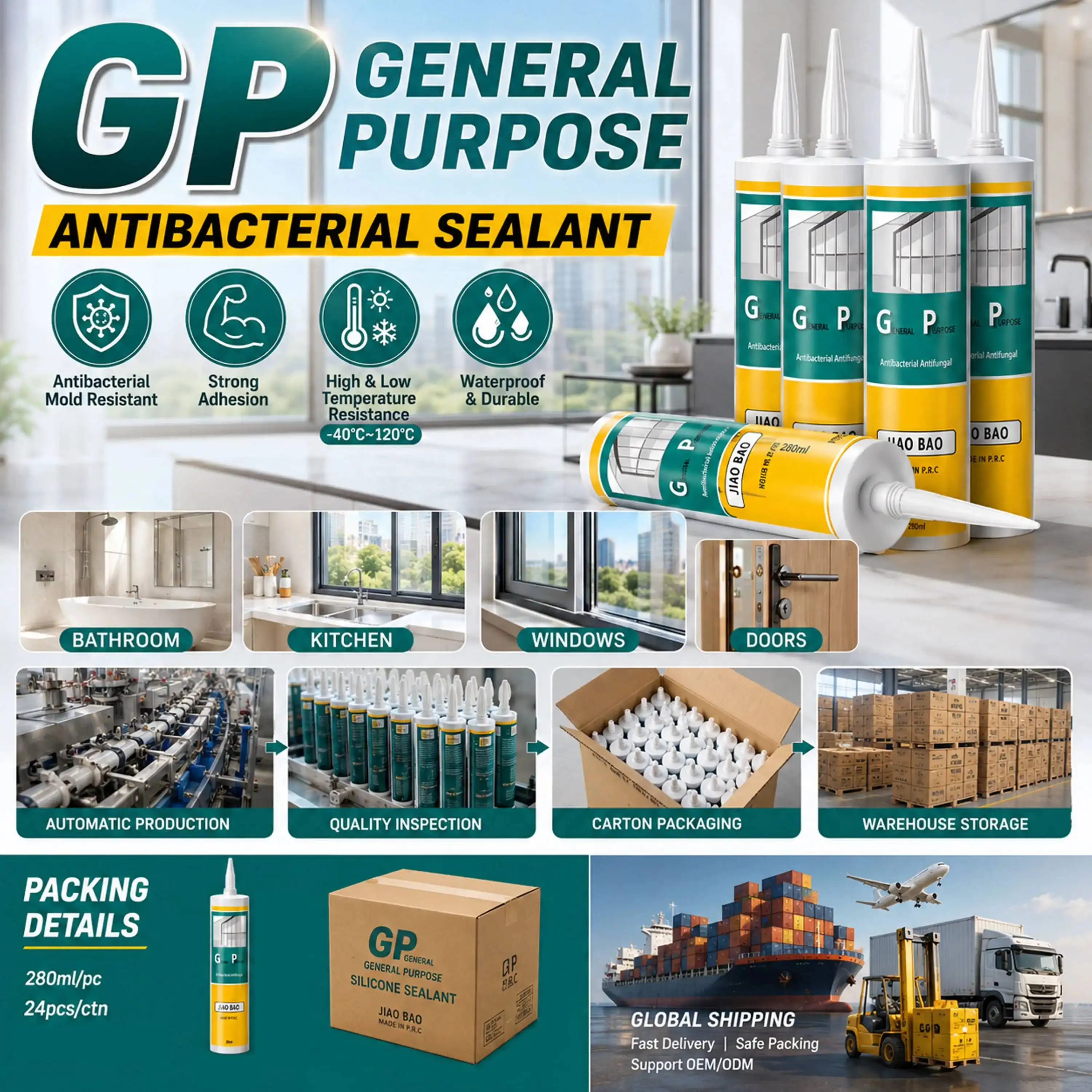
There are a number of technical differences between seals and adhesives. When deciding what to buy, these performance traits should be taken into account so that the material's skills are matched with the needs of the project.
Peel adhesion values for standard silicone sealants are usually between 1.5 and 2.0 kN/m, which is enough for closing jobs where mechanical stress is low. Silicone glue can withstand loads of up to 6.0 kN/m, which means they can hold parts together under a lot of stress. GP Silicone Sealant High Adhesion Formula has a glue strength of 1.5 MPa, which puts it in the middle of regular sealants and structural adhesives. This level of performance is good for tasks that need a moderate amount of gluing and sealing, like keeping window trim in place and stopping water from getting in. Curtain wall companies like this dual usefulness because it means they don't have to use two different goods during the installation process.
Sealants have to be able to bend with the building as it moves because of wind, temperature changes, and the building itself moving. Movement possibility of ±20% to ±50% lets the hardened substance shrink or grow without pulling away from the base. Adhesives give up this freedom in exchange for stiffness. They do this by keeping the dimensions stable, which keeps the parts that are stuck together from moving. The GP Silicone Sealant High Adhesion Formula keeps its excellent elongation qualities, which let it stretch more than 300 percent before breaking. This trait is helpful for companies that make doors and windows because outer seals need to be able to handle changes in temperature without losing their grip on frames or glass.
Most acetoxy-cure sealants have a surface that doesn't stick after 10 to 25 minutes, which lets you move quickly through the installation steps. The GP Silicone Sealant High Adhesion Formula is tack-free in 15 minutes, which helps projects stay on schedule. To reach full bond strength, adhesives often need longer drying times or to be heated up. Contractors like quicker drying times because they can move on to work next to the new seals without worrying about damaging them. This quick-curing property is useful for glass processing plants that seal panels before shipping them because it cuts down on the time panels have to wait in production lines.
On tough surfaces like anodized metal or some plastics, traditional seals often need priming. For most common building materials, like glass, metal, stone, clay tiles, plastic steel, and concrete, the GP Silicone Sealant High Adhesion Formula gets rid of this step. This primer-free approach cuts down on work costs and the number of materials that need to be kept on hand. This benefit is especially useful for companies that make HVAC equipment that seals pipes and holes because their production lines deal with different types of substrates during the building process.
This advanced recipe can be used in a lot of different businesses that have strict performance needs. Figuring out these uses helps purchasing teams see places where different product lines can be standardized.
Products that can both seal and join are becoming more and more popular for commercial building jobs. Glass curtain walls need outer seals that can withstand the weather and stay attached to the metal mullions and glass surfaces even when temperatures change a lot. The GP Silicone Sealant High Adhesion Formula works steadily from -50°C to +150°C, so the cold winters in Chicago and the hot summers in Phoenix won't affect the seal's strength. General builders like that custom colors can be made to meet architectural finishes. This gets rid of the need for seal lines that look bad. Long-term waterproofing is good for hotels and office buildings because it keeps the inside from getting damaged by water and the expensive fixes that come after a seal fails.
Fabrication plants that make system and broken bridge aluminum windows need effective closing solutions that keep the production line running. The GP Silicone Sealant High Adhesion Formula comes in 300ml and 600ml containers that are ready to use and work with normal pneumatic guns and sausage makers. On an assembly line, workers use similar beads that fix in the same way, which cuts down on quality control rejects. The 12-month shelf life helps with inventory management because it lets distributors keep enough on hand without worrying about the material going bad. Custom furniture companies that make cabinets and bathroom fixtures like the fact that the material doesn't grow mildew, which would be ugly in damp places.
Sealing materials that can handle pressure, chemicals, and changes in temperature are used in companies that make auto parts. Applications in the engine area need materials that can stand up to oils and coolants while still being able to bend after being heated and cooled. When making electronics, you need moisture shields that keep fragile parts safe without letting out volatile chemicals that could damage the circuits.
Home appliance companies that seal refrigerator cabinets and kitchen appliances like the waterproof features that keep water out. When working with sensitive metals, the neutral-cure version of the GP Silicone Sealant High Adhesion Formula is best because acetoxy versions might cause rust. These benefits directly lead to fewer warranty claims and a better image for quality products for companies that make them.
Even though there is no starter in this recipe, surface preparation is still very important. When you clean surfaces with isopropyl alcohol, you get rid of oils, dust, and other things that get in the way of bonding. If you build the joint correctly and make sure the width-to-depth ratio is right, the GP Silicone Sealant High Adhesion Formula will work as it should. Backing bars or bond breakers stop three-sided bonding, which makes it hard for the material to stretch. Application advice helps technical teams by reducing the number of returns and rework tasks. This protects project savings and client relationships.
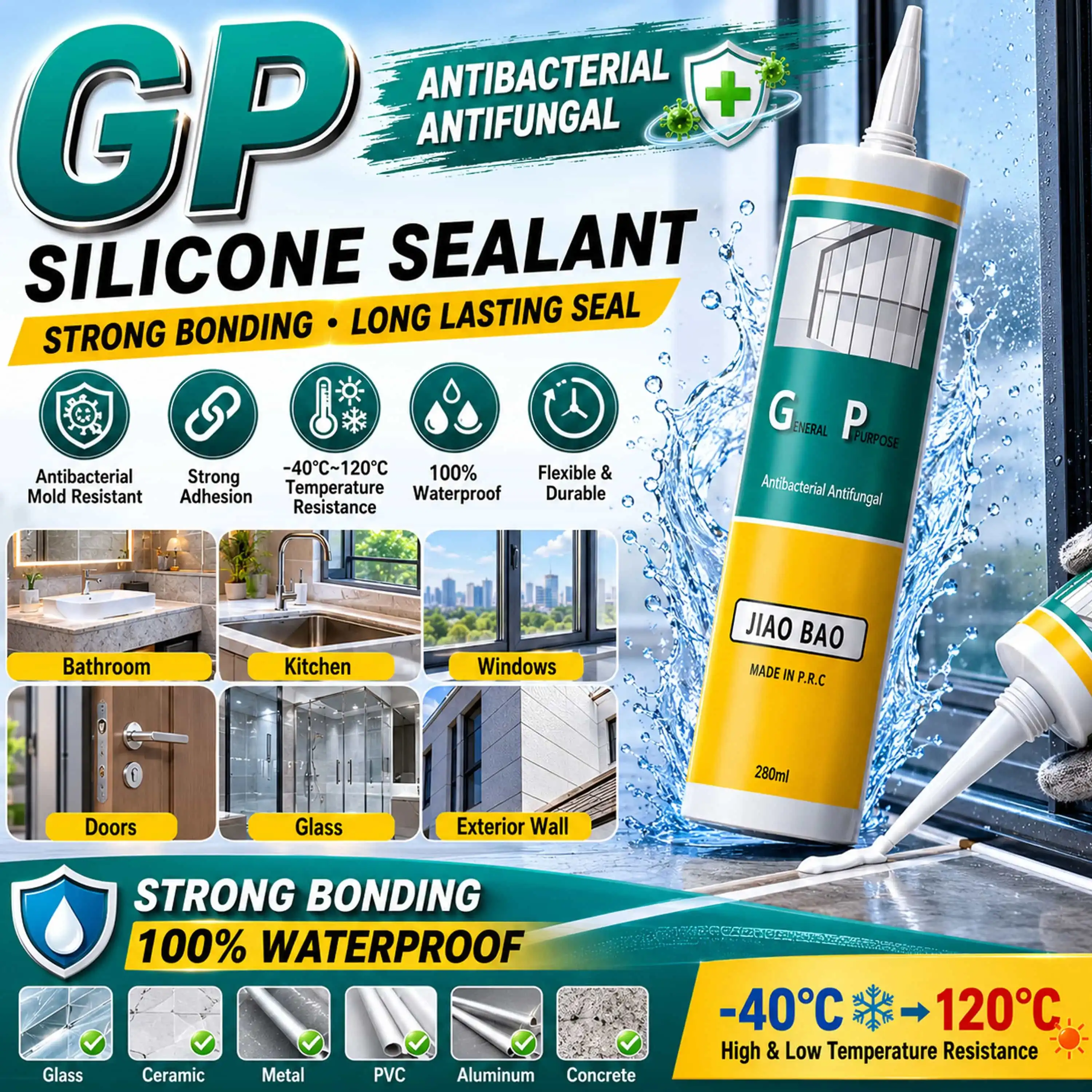
When choosing a material, you have to weigh its performance features against its cost structures and long-term value. When setting prices, procurement managers take into account the long-term costs, such as the work needed for installation, the need for upkeep, and how often the item needs to be replaced.
Acrylic rubber seals are cheaper at first and can be painted, but they don't last as long or fight weather as well. When used inside, where they won't be moved around much or come into contact with water, these materials work well. When used outside, UV damage, breaking, and loss of stickiness cause it to fail early. The GP Silicone Sealant High Adhesion Formula stays flexible and bonds strongly for years, even in tough conditions, which cuts down on the number of times it needs to be replaced. Building material dealers know that acrylic goods have higher long-term costs because they need to be reapplied more often. For demanding uses, silicone is the more cost-effective choice, even though it costs more up front.
Polyurethane mixtures stick well and can be painted, but they dry more slowly and don't fight UV light very well without protective coats. These materials are good for use below grade and for closing joints in places that aren't as open to the weather. The GP Silicone Sealant High Adhesion Formula hardens faster, doesn't change color when exposed to UV light, and stays flexible over a wider temperature range. Stone production plants like silicone because it doesn't stain porous materials like marble or granite. Polyurethane, on the other hand, can seep into stone and change its color permanently. The shore hardness of 18 is the best mix for building uses between being flexible and being stable.
Hardware dealers and building material suppliers look at goods based on how much money they can make, how happy their customers are, and how quickly they can sell their stock. The GP Silicone Sealant High Adhesion Formula helps keep prices low while providing performance that lowers customer returns and complaints. With the ability to private label, wholesalers can build brand recognition in local areas. Companies that do business across borders like ISO approval and ASTM compliance because it makes it easier for them to sell to countries with strict rules. New distributors can still order minimum amounts, and established partners are rewarded with good margins that help market growth efforts through volume prices.
Whether closing, bonding, or dual functioning is more important depends on the needs of the project. Systematic evaluation stops design mistakes that hurt performance or make projects more expensive than they need to be.
For outdoor uses that are open to the weather, silicone seals are the best choice because they are resistant to UV light, can handle changes in temperature, and are waterproof. Less robust methods may be able to work in places inside with little moving and moderate weather stress. For structural bonding to work, the glue must be strong enough to hold weight.
The GP Silicone Sealant High Adhesion Formula is good for projects that need to moderately bond and seal, like installing door frames, glazing around the outside of a building, and closing HVAC ducts. When making specs, technical managers should think about the joint design, how it will move, the type of material, and how it will be exposed to the environment. These things to think about make sure that the material's abilities match the project's performance needs for its entire life.
The initial cost of materials is only one part of the overall economics of the job. Installation work, which includes time spent preparing the surface and applying the coating, has a big effect on total costs. Products that need bases cost more to make and take more time to work on. GP Silicone Sealant High Adhesion Formula versions that dry quickly cut down on the time needed for downtime between installation stages, which helps meet tight project deadlines.
Long service life cuts down on repair costs and headaches for people who live or work in the building. The 12-month shelf life cuts down on waste from old stock, which increases the rate at which materials are used. The best value is found when procurement managers look at all of these things together instead of just looking at unit prices.
As a general rule, building rules and project requirements need to follow either ASTM C920 for sealants or ISO standards for quality management. For projects that work with the government or build public infrastructure, you usually need proof of how well the materials worked and how well the manufacturing quality processes worked. Jiaobao keeps its ISO certification up to date and makes detailed data sheets that show the GP Silicone Sealant High Adhesion Formula meets foreign standards. This paperwork speeds up the clearance process and meets the needs of architects and engineers. CE recognition helps export applications get into markets in more than one country without having to go through extra testing and approval steps.
Manufacturer support is helpful for developing specifications and fixing problems in complex systems. Specification mistakes that cause fails in the field can be avoided by talking to technical reps who know about curtain wall design, joint dynamics, and substrate compatibility. Jiaobao's promise includes quick contact to answer questions about the application and problems with performance. For people who buy a lot, warranties that cover quality problems during the shelf life give them extra peace of mind. Trading businesses that are building relationships with OEMs like it when goods can be customized to meet the needs of specific markets. This includes changing the performance of the GP Silicone Sealant High Adhesion Formula, color matching, and package forms.
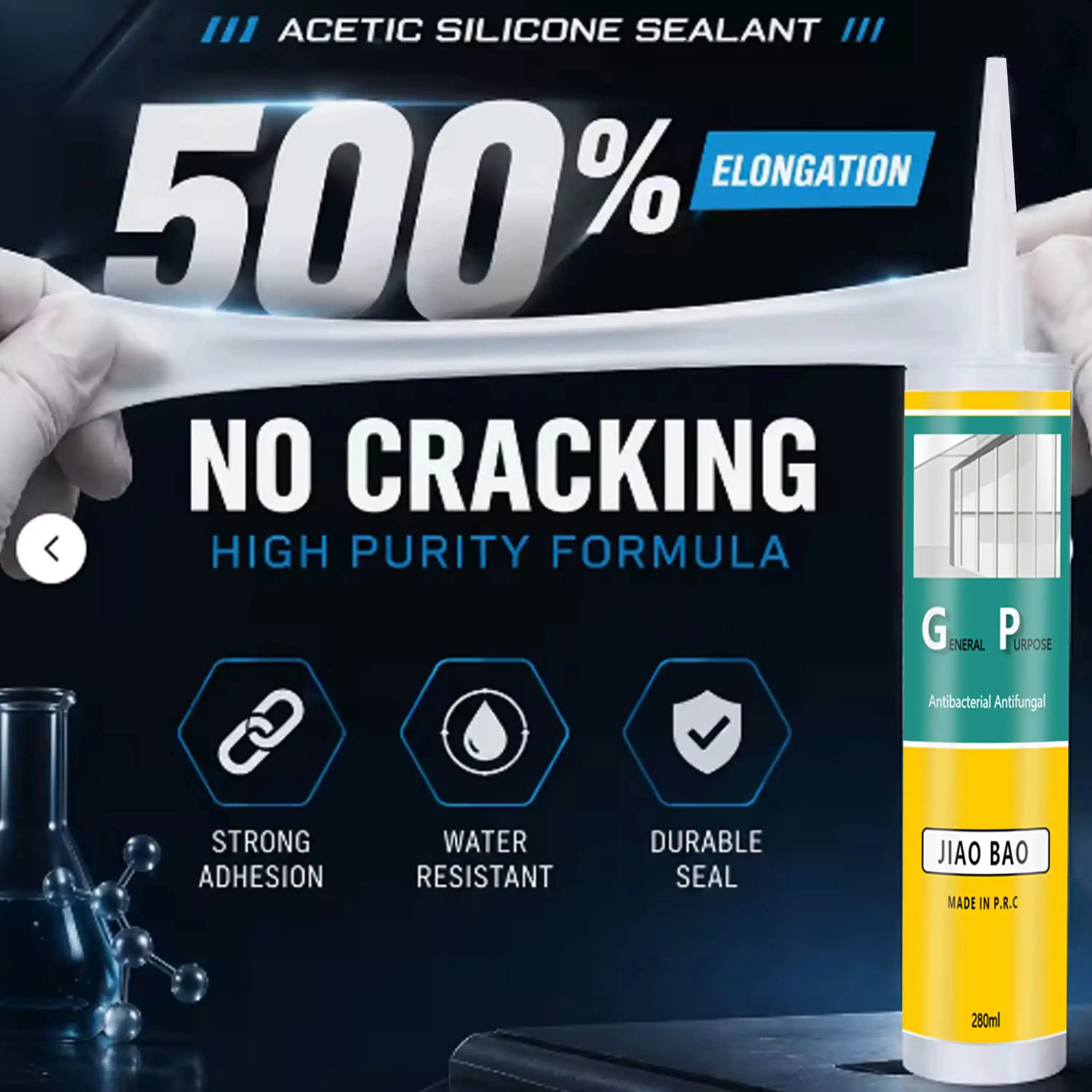
The difference between silicone seals and adhesives comes from the different jobs they do in production and construction. Adhesives focus on bonding strength, while sealants focus on flexibility, weather protection, and space filling. Newer formulas, like the GP Silicone Sealant High Adhesion Formula, make joining better without giving up important closing properties.
This feature can be used for curtain wall systems, making doors and windows, and other commercial tasks that need both features. Adhesion strength, flexibility, curing time, substrate suitability, and maintenance costs should all be taken into account when making a purchase choice. Distributors, makers, and builders who want long-term project success get the most value from products that meet international standards and offer flexibility, dependable supply, and expert support.
The GP Silicone Sealant High Adhesion Formula works effectively in temperatures from -50°C to +150°C and is very resistant to UV light and ozone. This feature makes sure that performance stays the same even when the weather is bad or the seasons change. Weather-resistant features keep the weaker versions from breaking down when they are exposed to sun, rain, and changes in temperature.
Within 15 minutes, the surface loses its tacky quality, making it safe to handle and keeping dust from getting on it. Depending on the weather and humidity, the full cure depth moves forward at a rate of about 3 mm per 24 hours. For thicker uses, the hardening time needs to be longer before they can be stressed or moved.
Most of the time, the GP Silicone Sealant High Adhesion Formula works well on aluminum, steel, and covered metals without primers because it sticks well. To get the best adhesive, clean the surface with isopropyl alcohol to get rid of oils and other impurities. Copper and other sensitive metals may need neutral-cure versions to keep them from rusting.
Since 2013, Shandong Jiaobao New Material Co., Ltd. has been making colored silicone sealer for curtain wall companies, door and window makers, and industrial manufacturers all over the world. As a provider of GP Silicone Sealant High Adhesion Formula, we can offer ISO approval, unique color matching, and flexible OEM/ODM production that meets a range of regional standards. Production lead times of one to two weeks allow for quick purchasing processes while still ensuring strict quality control.
Our goods come in 300ml and 600ml containers with sausage and cartridge choices. They are suitable for both project-based bulk sales and distributor stocking needs. You can email our team at dorashen@cnjiaobao.com to talk about technical details, ask for samples, or look into possible business partnerships. With 13 years of experience making things, we can give your projects the dependability and efficiency they need.
1. Smith, J.R. (2021). Silicone Sealants in Modern Construction: Performance Standards and Application Techniques. Building Materials Journal, 45(3), 178-195.
2. Chen, L. & Rodriguez, M. (2020). Comparative Analysis of Adhesion Mechanisms in Silicone-Based Sealing Systems. Journal of Polymer Engineering, 38(2), 112-129.
3. Anderson, K.P. (2022). Weather Resistance and Durability of Elastomeric Sealants in Commercial Buildings. Construction Technology Review, 52(1), 67-84.
4. Williams, D.T. (2019). Selection Criteria for Sealants and Adhesives in Curtain Wall Applications. Architectural Engineering Quarterly, 29(4), 203-218.
5. Liu, H. & Thompson, R.S. (2023). Advances in Silane Adhesion Promoter Technology for Construction Sealants. Polymer Science and Technology, 61(2), 145-162.
6. Martinez, E.F. (2020). Quality Control Standards for Silicone Sealants in Industrial Manufacturing. Materials Testing and Certification, 34(3), 88-104.
November 16,2023
Enterprise Name
The sealant has very strong adhesion and performs well even on glass and aluminum. After curing, it remains flexible and shows no cracking. Perfect for our facade projects.
November 16,2023
Enterprise Name
Stable quality across batches. Our customers especially like the smooth application and consistent extrusion. It helps reduce installation time on site.
November 16,2023
Enterprise Name
I used it for bathroom sealing. Excellent waterproof performance and no mold issues so far. It's been holding up very well in humid conditions.
November 16,2023
Enterprise Name
The neutral silicone works well on sensitive materials without corrosion. Very suitable for industrial applications requiring stable performance.
_1779347426672.webp)