November 16,2023
Enterprise Name
The sealant has very strong adhesion and performs well even on glass and aluminum. After curing, it remains flexible and shows no cracking. Perfect for our facade projects.
Oct 19, 2026
Choosing the right PU automotive glass adhesive sealant is one of the most consequential decisions in any automotive glass assembly operation. This guide walks through the chemistry, installation process, adhesive comparisons, procurement strategy, and safety protocols that procurement managers and quality engineers need to know. Whether you manage an OEM glazing line or source materials for aftermarket glass replacement, the information here reflects current industry standards and real-world application demands.
Polyurethane window sealer is a glue that only needs one part and gets hard when it comes in touch with water. If the adhesive bead comes in contact with air that is humid, isocyanate-terminated prepolymers react and form a strong, stretchy matrix. The material hardens and becomes an important part of the car's frame. It also helps make the current single-body design stiffer in twisting.
Polyether glue technology that has been changed by silane is what Jiaobao uses in his recipe. This base can be stretched about 400% before it breaks. Its tensile strength is about 2.2 MPa. This means the bond won't have to break when the car frame bends. When the item is used, it doesn't have any isocyanates, harmful chemicals, or PVC compounds. This means there are no smells during installation, which makes it safer for the people who are doing it.
It's possible for silicone seals to handle high temperatures, but they don't have the strength to hold the glass in place during a crash. Epoxy glues are stiff when stretched and break easily when stretched, so they shouldn't be used in situations where the chassis is constantly bending. Acrylic glues dry quickly, but they don't stretch as much as other glues. There is no other science that can match the qualities of PU-based glazing glue at the same time. It has high tensile strength, good flexibility, and the ability to cure quickly in water.
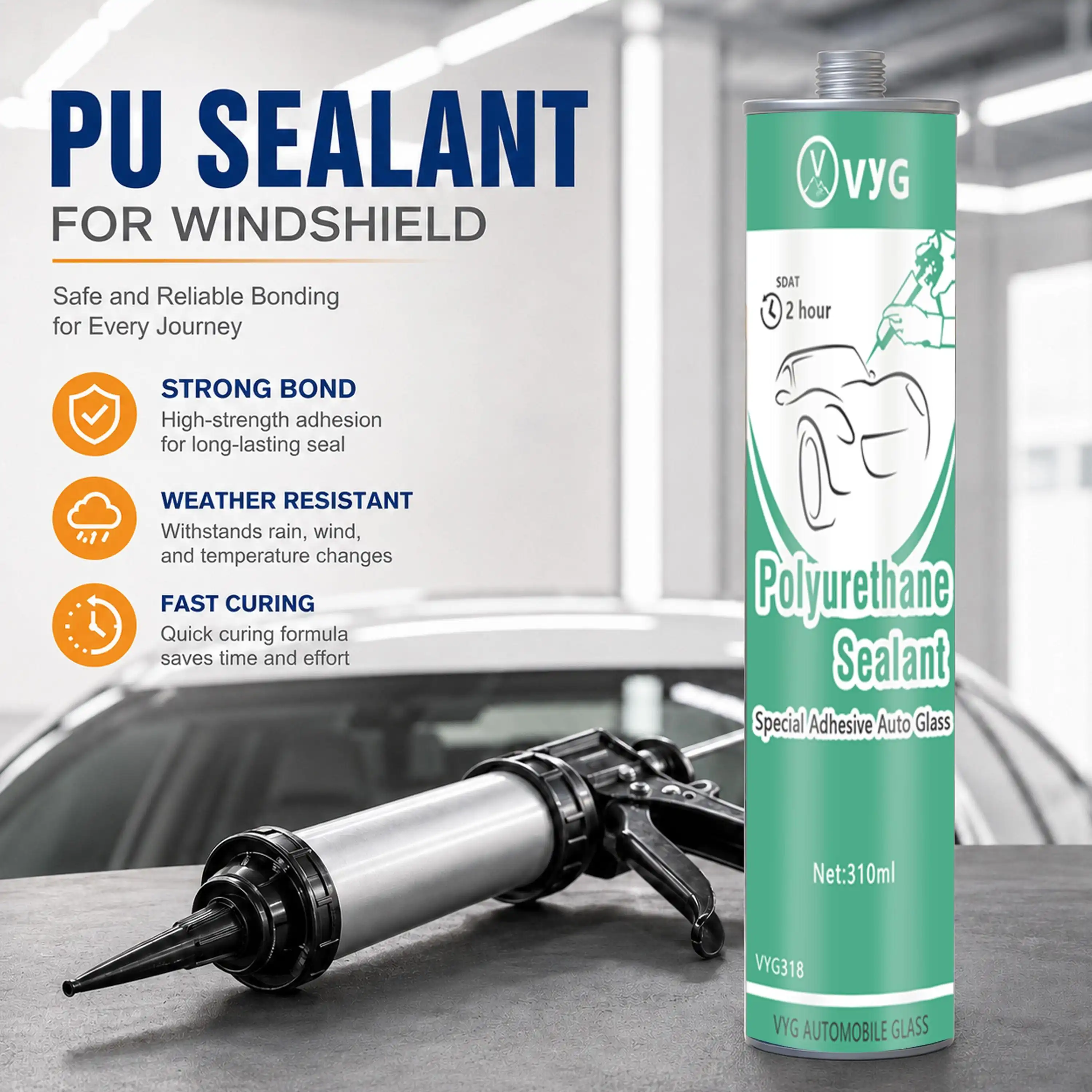
If you want to use glass bonding glue on something, it needs to be clean, dry, and free of oil, dust, or old sealer. Polish metal and glass pinch-welds with a good cleaner. Paint body panels that show bare metal? Use a compatible primer to keep them from rusting and make sure the paint stays on. The main reason why glue fails in field installs is that this step is skipped. The main reason most car window ties fail too soon, according to studies from SAE International, is that the surface is dirty.
Use a sausage gun or a cartridge gun to make a triangle-shaped bead of PU automotive glass adhesive sealant that goes all the way around the edge of the glass. The glass won't stick well to the frame if the bead isn't stable or falls apart. Wind or water noise could get in. According to the test protocol, Jiaobao's formulation doesn't sag (0 mm sag), which means the bead stays in shape on vertical surfaces in the minutes before it is placed on glass.
Here are the most important steps you need to take to install the app:
It is these things that directly affect how line managers plan leak tests and rain chamber checks further down the line. With changes in seasonal humidity taken into account, the production schedule stays the same and the quality of the bonds doesn't suffer.
How long it takes to cure depends on how wet it is. When it's hot and muggy, the reaction goes faster. When it's dry, the reaction goes slower. If the edge of the glass frit doesn't stick, it's usually because the surface wasn't cleaned well enough or the primer wasn't used. It's not usually a problem with the product itself. Workers who use polyurethane should protect their eyes and wear gloves that can handle chemicals. This is because skin can become sensitive to polyurethane that hasn't fully set. Make sure the desk has enough air flow.
When it comes to key mechanical properties, the table below shows a direct comparison between common types of adhesives used to stick windshields to cars:
| Property | PU (Jiaobao) | Silicone | Epoxy | Acrylic |
|---|---|---|---|---|
| Tensile Strength | ≈2.2 MPa | ~1.0 MPa | >10 MPa (brittle) | ~2.0 MPa |
| Elongation at Break | ≈400% | >200% | <5% | ~100% |
| Structural Glazing Use | Yes | Limited | No | Conditional |
| Moisture Cure | Yes | Yes | No | No |
Epoxy is too stiff to be used for large-panel glazing because the different rates of heat expansion between metal and glass would cause circle stress. Even though silicone is good at blocking static electricity, it's not flexible enough to help airbags go off.
A lot of large OEM assembly lines like polyurethane direct glass systems because they meet standards for crash protection like FMVSS 212. Global companies like 3M, Sika, and Henkel make it clear how well their PU glass lines work with other things. When purchasing teams look at a seller, they shouldn't just look at self-certified datasheets. What else should they ask for? PPAP paperwork, batch consistency data under SPC protocols, and tensile test reports from a third party.
Most window glass in passenger cars can be made from standard-modulus PU. It's stiffer with high-modulus versions for body shapes with thin skin. A low-conductive mix stops signal interference and galvanic corrosion at metal fixing points in cars where the radio is built into the glass. You can avoid expensive PPAP restarts by making sure the right grade is given before line qualification with your engineering team.
As a way to sell windshield adhesive for cars, the supplier must have IATF 16949 certification for most OEM supply chain audits. A full PPAP document package must be sent with qualification samples. This package must include material test records, process flow maps, and control plans. What if the supplier can't deliver all the PPAP paperwork? There is a chance that the company won't follow the rules in the future, even if the product works well.
As a general rule, Jiaobao takes one to two weeks to make something, and they can ship by land or sea. The item comes in 300 ml cartridges and 600 ml sausage packs, and it can be used on production lines with both pneumatic and hand dispensers. From the date it was made, it will last for 12 months if kept cool, dry, and out of direct sunlight. Stock doesn't go to waste when buy order plans are in sync with shelf life. This is especially true for lines that work long shifts and handle a lot of orders.
Moving from imported brands to a qualified domestic PU automotive glass adhesive sealant manufacturer can save a lot of money while keeping performance levels the same, as long as the qualification process is done right. You should ask for test examples to go through the normal IQC incoming inspection process before you buy more. This includes tests for peel adhesion based on ASTM C794 and checks for viscosity based on ASTM C1183.
Jiaobao's silane-modified polyether formulation doesn't have any isocyanates in it when it's ready to use. This means that there are fewer worries about exposure at work than with traditional one-component PU systems. According to general standards for workplace health, VOC emissions are not too high or too low. People should read the most recent Safety Data Sheet (SDS) before they work with any batch.
Most places have rules that say chemical waste, like uncured sealer, needs to be thrown away because it is bad for the environment. You should throw away empty cartridges and sausage boxes with your other trash. Items that haven't been used should be kept below 25°C in their original, sealed packaging so that the cartridge doesn't dry out too fast.
Written instructions should be given to installation teams on how to use primers, properly apply beads, find the safe drive-away time (SDAT), and handle situations involving skin or eye contact. As stated in Clause 7.2's requirements for workforce competency, training records that are written down show that you are following the rules for IATF 16949 audits.
A proper PU automotive glass adhesive sealant does more than hold glass in place—it contributes to structural integrity, weather resistance, and occupational safety across the vehicle's service life. Selecting a product with verified tensile strength, batch consistency, and complete qualification documentation protects both the production line and the end consumer.
Jiaobao's silane-modified PU formulation delivers these properties with 13 years of manufacturing experience behind every batch. For procurement teams evaluating alternatives to imported brands, this product line offers a qualified, cost-effective path through the supplier audit process.
Full through-cure depends on ambient conditions. At 23°C and 50% relative humidity, our formulation cures at approximately 3.5 mm per day. Tack-free time ranges from 15 to 40 minutes depending on season. In cold, dry winter conditions, cure rate slows—always consult the SDAT chart before returning a vehicle to service.
For glass surfaces with intact ceramic frit, a cleaner-activator is typically sufficient. However, if the metal pinch-weld shows bare metal or scratched paint, a dedicated primer is mandatory to prevent corrosion and ensure bond durability.
Yes. The silane-modified chemistry provides adhesion to both tempered and laminated glass substrates, as well as to painted metal frames, without requiring separate formulations.
The primary cause is surface contamination—oil, moisture, or residual old sealant. Thorough surface cleaning with an approved cleaner before application eliminates most field failures. Primer application on bare metal surfaces provides additional insurance against bond line degradation.
Cut through the old bead with a cold knife or oscillating tool, then clean residue with an appropriate solvent. Avoid scoring glass or painted surfaces. Mechanical removal followed by chemical cleaning prepares the substrate correctly for re-bonding.
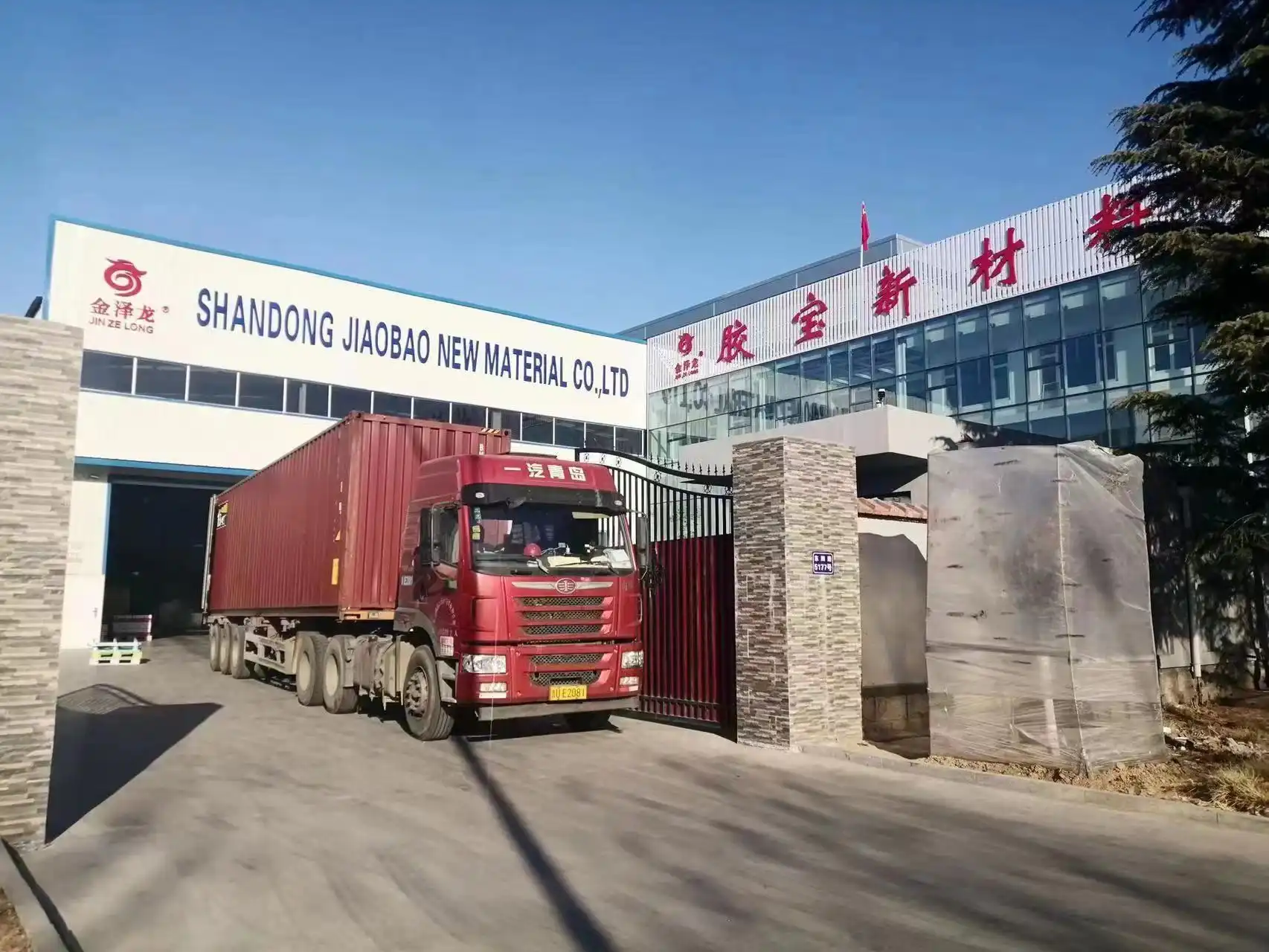
For more than 13 years, Jiaobao has sold oils made for cars to businesses in North America, Europe, and Asia. Are you a business owner who wants to ask for a sample of our PU automotive glass adhesive sealant? We can send you all the technical information you need, like SDS and test records. We can do OEM/ODM production, and each package will be of high quality. The wait time is one to two weeks. To get samples and prices, email our team at dorashen@cnjiaobao.com or visit shandongjiaobao.com.
1. SAE International. SAE J1529: Urethane Adhesive Systems for Automotive Glass Bonding. SAE International, 2018.
2. FMVSS 212: Windshield Mounting. National Highway Traffic Safety Administration (NHTSA), U.S. Department of Transportation, 2020.
3. ASTM International. ASTM C794: Standard Test Method for Adhesion-in-Peel of Elastomeric Joint Sealants. ASTM International, 2018.
4. ASTM International. ASTM C1183: Standard Test Method for Extrusion Rate of Elastomeric Sealants. ASTM International, 2020.
5. International Automotive Task Force. IATF 16949:2016 — Quality Management System Requirements for Automotive Production and Relevant Service Parts Organizations. IATF, 2016.
6. Brydson, J. A. Rubber Chemistry. Elsevier Applied Science, 1978.
November 16,2023
Enterprise Name
The sealant has very strong adhesion and performs well even on glass and aluminum. After curing, it remains flexible and shows no cracking. Perfect for our facade projects.
November 16,2023
Enterprise Name
Stable quality across batches. Our customers especially like the smooth application and consistent extrusion. It helps reduce installation time on site.
November 16,2023
Enterprise Name
I used it for bathroom sealing. Excellent waterproof performance and no mold issues so far. It's been holding up very well in humid conditions.
November 16,2023
Enterprise Name
The neutral silicone works well on sensitive materials without corrosion. Very suitable for industrial applications requiring stable performance.