November 16,2023
Enterprise Name
The sealant has very strong adhesion and performs well even on glass and aluminum. After curing, it remains flexible and shows no cracking. Perfect for our facade projects.
Oct 19, 2026
Correctly applying fire resistant silicone sealant is a crucial passive fire safety choice. A quality firestop sealant put around pipe penetrations, cable trays, and wall seams may keep a fire barrier intact for two hours or more, giving evacuation and suppression time. This handbook helps procurement managers, project engineers, and installation teams understand properties, installation methods, product comparisons, and sourcing strategies to get every seal right the first time.
You should know the difference between a regular weatherseal and a firestop resin before you go out and buy a caulking gun.
In order to make fire-resistant silicone seals, an artificial siloxane base is mixed with fillers that are not flammable. Heat it, and it turns into a smooth char that looks like clay. This stops the smoke and fire from moving. This stops a main reason why people burn to death. The surface dries in 45 to 60 minutes with this mix, and it hardens about 3 mm every 24 hours.
Tests have shown that this firestop silicone works well from -50 °C to +150 °C. Some grades can stand up to temperatures of 200 °C or more. There are constant changes in temperature, so the seal must be able to move ±20% to ±50% in order to stay in place for years. Normal acrylics can't handle this kind of mess up.
Someone else needs to check it. BS 476 Part 20, UL 2079, or ASTM E 1966 are the ones you should look for. A System Number is shown next to each entry. This number tells you the width of the joint, the depth of the fitting, and the adhesive density. The rating is for the whole system, not just the tube, that was checked for fire safety.
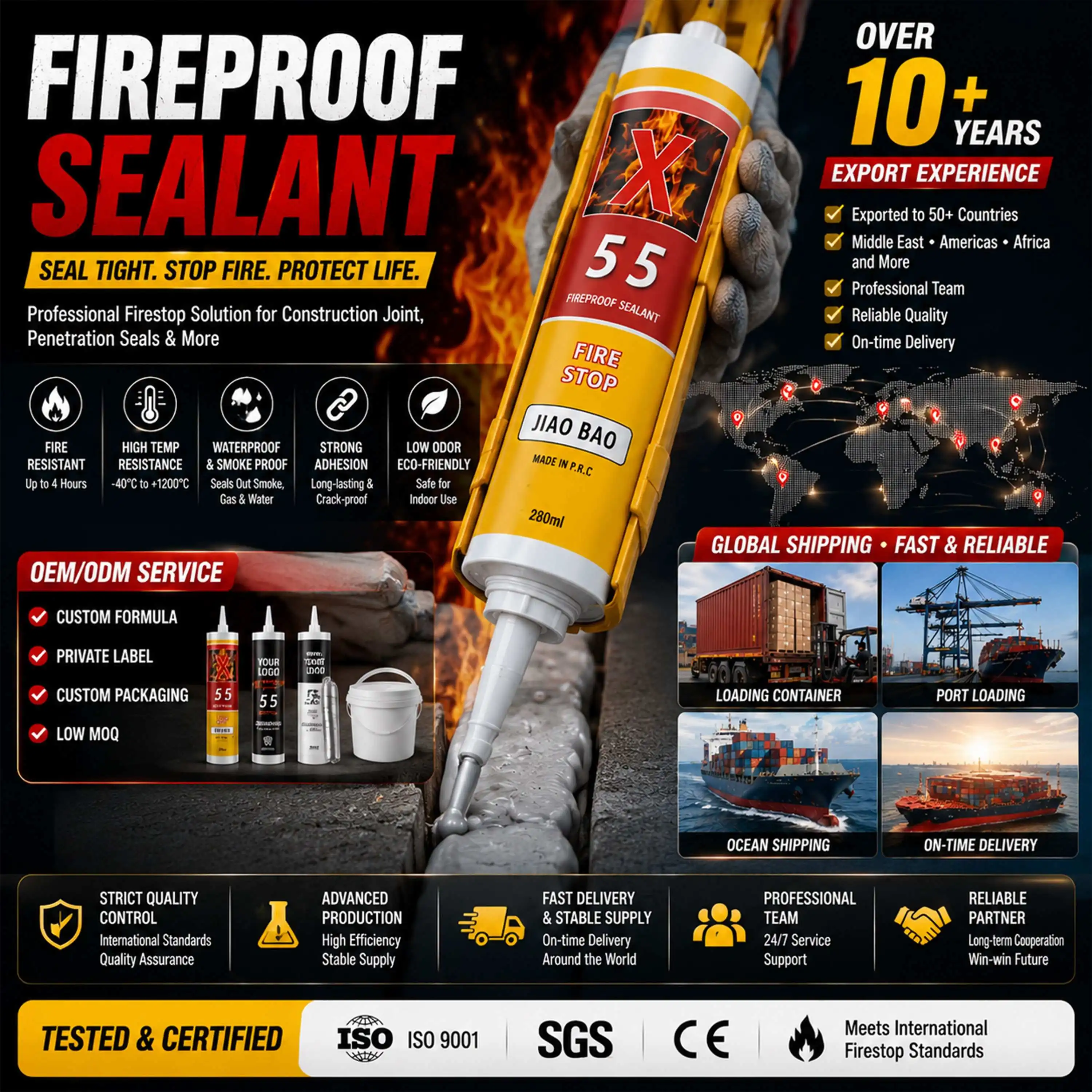
Correct installation separates a compliant firestop from a liability. Follow these steps methodically.
Remove dust, oil, loose paint, and old sealant from all substrates—concrete, masonry, steel, or gypsum board. Wipe metal surfaces with isopropyl alcohol before applying fire resistant silicone sealant. Any contamination at the bond line reduces adhesion and can cause the seal to pull away during thermal expansion, invalidating the fire rating.
Pack a high-density mineral wool backer to the depth specified in the UL or ASTM test report—commonly a minimum of 6–10 mm of sealant depth over the backer. Cut the cartridge nozzle at a 45-degree angle sized to match the joint width. Apply the sealant in a single, continuous pass to prevent air pockets. Tool the bead immediately while the surface is still wet.
Allow full cure before the joint is exposed to mechanical load or water. At 23 °C and 50 % relative humidity, surface dry occurs in 45–60 minutes, but through-cure requires several days depending on joint depth. After curing, inspect the seal visually for voids or pull-away at edges. Document the installation with photographs for fire inspection records.
A common site error is under-filling the joint, leaving the sealant depth below what the certification requires. Always cross-check the installed depth against the test certificate before signing off.
There are times when you can't use a certain firestop tool. Rules and safety can be at risk if you pick the wrong type.
Heat-resistant sealants grow large. They work nicely around melting plastic lines that cause holes. But they're not flexible and may shatter if soaked for a long period. The flexible water-proof seal will last as long as the structure. These are ideal for curtain wall seams outdoors and inside that move a lot.
Acrylic seals shrink when dry and don't stay well outdoors or wet. However, they start cheaper. Acrylic will shatter if applied to a damp joint or outside hole over time. Fire resistant silicone sealant is Class 1 W waterproof and UV-resistant, making acrylics inferior. Building rules increasingly require silicone in exterior firestop joints.
). A wire tray going through a concrete wall is an example of a project that can use more than one type of base and still work well. This helps you keep track of things and remember when they were inspected.
Sourcing the right firestop sealant requires more than comparing price per cartridge.
Get the real test certificate, not a pamphlet. Check with the certifying organization if the listing number is active. The tested system should fit your joint width, the substrate, and supporting density. Receiving a certificate without checking system specifics causes many inspection failures.
Quality fire-resistant silicone sealant manufacturers have consistent batch quality confirmed by external testing, a production lead time of one to two weeks to meet project schedules, and full technical documentation, including safety manuals and installation guides. OEM/ODM important when regional standards necessitate bespoke formulation or labelling.
Order an example batch and use ASTM C794 to test adhesion of fire resistant silicone sealant on your project substrates before ordering a complete project quantity. Calculate consumption using joint width times sealant depth and a 10% waste buffer. Avoid schedule delays by confirming minimum quantities required and shipment terms—sea or land freight—early.
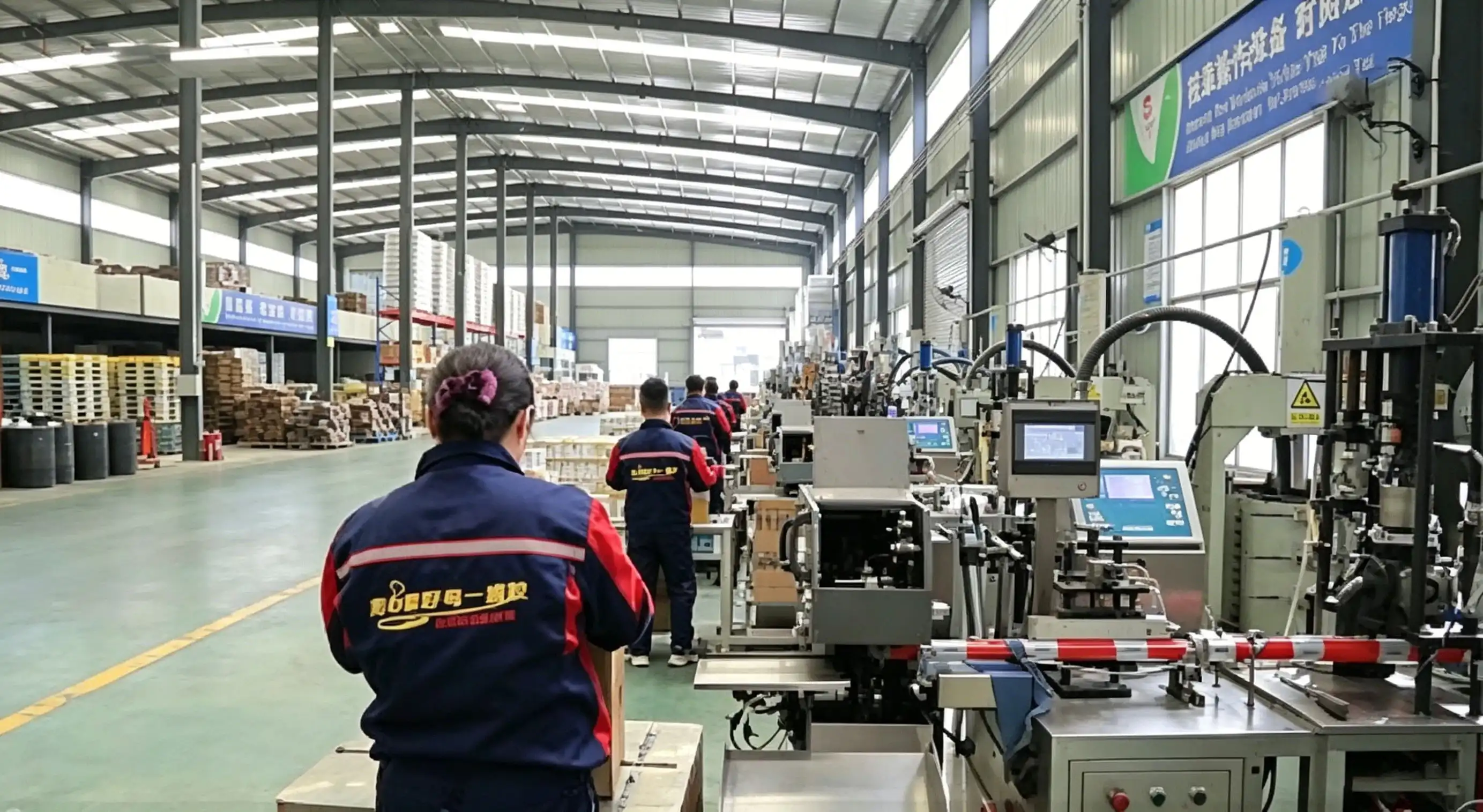
Installation is only the beginning. Long-term performance depends on scheduled maintenance and proactive monitoring.
Check firestop joints every two years or after a seismic event or major refurbishment. Check for surface cracking, colour change, edge adhesion loss, and gaps. Many plant managers use ASTM C1193 inspection guidelines internally.
UV exposure, freeze-thaw cycles, and cleaning solution chemicals degrade sealant life. Silicone's non-volatile component concentration of 99.5% reduces shrinking, however joints in chemically active situations benefit from a protective cover bead checked against chemical resistance statistics.
Reapply sealant to a joint by removing it and preparing the area again. Never seal a failing joint—it will undermine the bond line. Update our firestop log with the repair date, equipment batch number, and test certificate. Auditors and fire assessors increasingly want traceability.
Fire sealing requires attention from selecting an authorised fire resistant silicone sealant to checking the cure level before the final inspection. Sealants that don't sag, cling to metal and concrete, and work from -50 to +150 °C need less effort. This keeps initiatives on track. If you manage a high-rise curtain wall or an industrial facility that has to plug cable holes, this tip will help you comply and keep people safe.
The word "fire retardant" refers to something that doesn't catch fire or allow fire to start. ""Fire resistant" is a better grade. Based on a normal time-temperature test model, this means that for a certain amount of time, like one, two, or three hours, the sealant actively stops fire from moving through a joint.
Not at all. It tells you about the joint sizes, the type and density of the backing material, and the depth of the sealant. The grade is based on this tried-and-true method.
Silicone does stick well to glass, steel, aluminum, concrete, masonry, and other things that have more than one base. In other words, it can be used to set up machines, plumbing, and electricity.
If you need to find the cross-sectional area, add the amount of sealant that you need to the joint height. Then, multiply that number by the length of the joint. Check the license to see what the minimum depth is before you try to guess. Most of the time, it's between 6 and 10 mm.
One-part RTV silicone firestop sealant will last a year if you store it the right way. Keep cartridges and sausage packs somewhere cool and dry, away from sources of direct heat.
As of 2013, Jiaobao has been sending firestop goods and silicone seals to projects all over the world. We have white, black, gray, or custom-colored one-part RTV fire-resistant silicone sealant. It comes in 300 ml and 600 ml cartridge or sausage pack sizes. ISO/CE says it can be kept for a year. For years, we've been making silicone sealant that won't catch fire. It only takes us one to two weeks to ship by land or sea. To get a sample or project price, email our team at dorashen@cnjiaobao.com or go to shandongjiaobao.com right away.

1. ASTM International. ASTM E 1966: Standard Test Method for Fire-Resistive Joint Systems. ASTM International, 2022.
2. Underwriters Laboratories. UL 2079: Tests for Fire Resistance of Building Joint Systems. UL Standards & Engagement, 2019.
3. National Fire Protection Association. NFPA 101: Life Safety Code. NFPA, 2021.
4. British Standards Institution. BS 476 Part 20: Methods for Determination of the Fire Resistance of Elements of Construction. BSI, 2019.
5. Beall, G. L. Sealant Technology in Construction: A Practical Guide. Construction Press, 2017.
6. ASTM International. ASTM C1193: Standard Guide for Use of Joint Sealants. ASTM International, 2023.
November 16,2023
Enterprise Name
The sealant has very strong adhesion and performs well even on glass and aluminum. After curing, it remains flexible and shows no cracking. Perfect for our facade projects.
November 16,2023
Enterprise Name
Stable quality across batches. Our customers especially like the smooth application and consistent extrusion. It helps reduce installation time on site.
November 16,2023
Enterprise Name
I used it for bathroom sealing. Excellent waterproof performance and no mold issues so far. It's been holding up very well in humid conditions.
November 16,2023
Enterprise Name
The neutral silicone works well on sensitive materials without corrosion. Very suitable for industrial applications requiring stable performance.