November 16,2023
Enterprise Name
The sealant has very strong adhesion and performs well even on glass and aluminum. After curing, it remains flexible and shows no cracking. Perfect for our facade projects.
Oct 27, 2026
When I work on kilns, boilers, or industrial emission systems, equipment engineers ask me: Will my sealant resist heat? Yes, but only if you choose the right product. Fireproof silicone sealant high temperature adopts inorganic filler ingredients or intumescent chemistry to stay bonded, flexible, and non-toxic under heat stress. Standard acetoxy silicones degrade at 150°C. Custom-designed fire-rated silicones function safely from -50°C to 200°C and beyond, depending on grade.
Regular sealing silicone soften, discolour, or lose adhesion at temperatures exceeding 150°C. Fireproof variations substitute organic plasticisers with inorganic reinforcement fillers that are resistant to heat breakdown, such as silica or alumina. This alters how the sealant reacts to heat: rather than dissolving, it maintains its structure and continues to prevent gas and smoke movement.
The fire resistance in high-temperature silicone sealants comes from two mechanisms. Some products form a protective char layer when exposed to flame. Others expand intumescently to fill gap enlargement caused by substrate deformation. Either way, the result is the same: the joint stays sealed even when structural materials around it begin to fail under fire conditions.
In industry purchasing certifications are not considered marketing speak, they are regulatory obligations. Check for conformity with ASTM EN 814 or UL 1479 for firestop applications.. UL 94 V-0 is the standard vertical flame classification for common high heat gasketing. For European projects EN 1366-4 or BS 476, respectively, Part 20 may be required. Always obtain third party test results on the actual manufacturing batch and not just a general spec sheet.
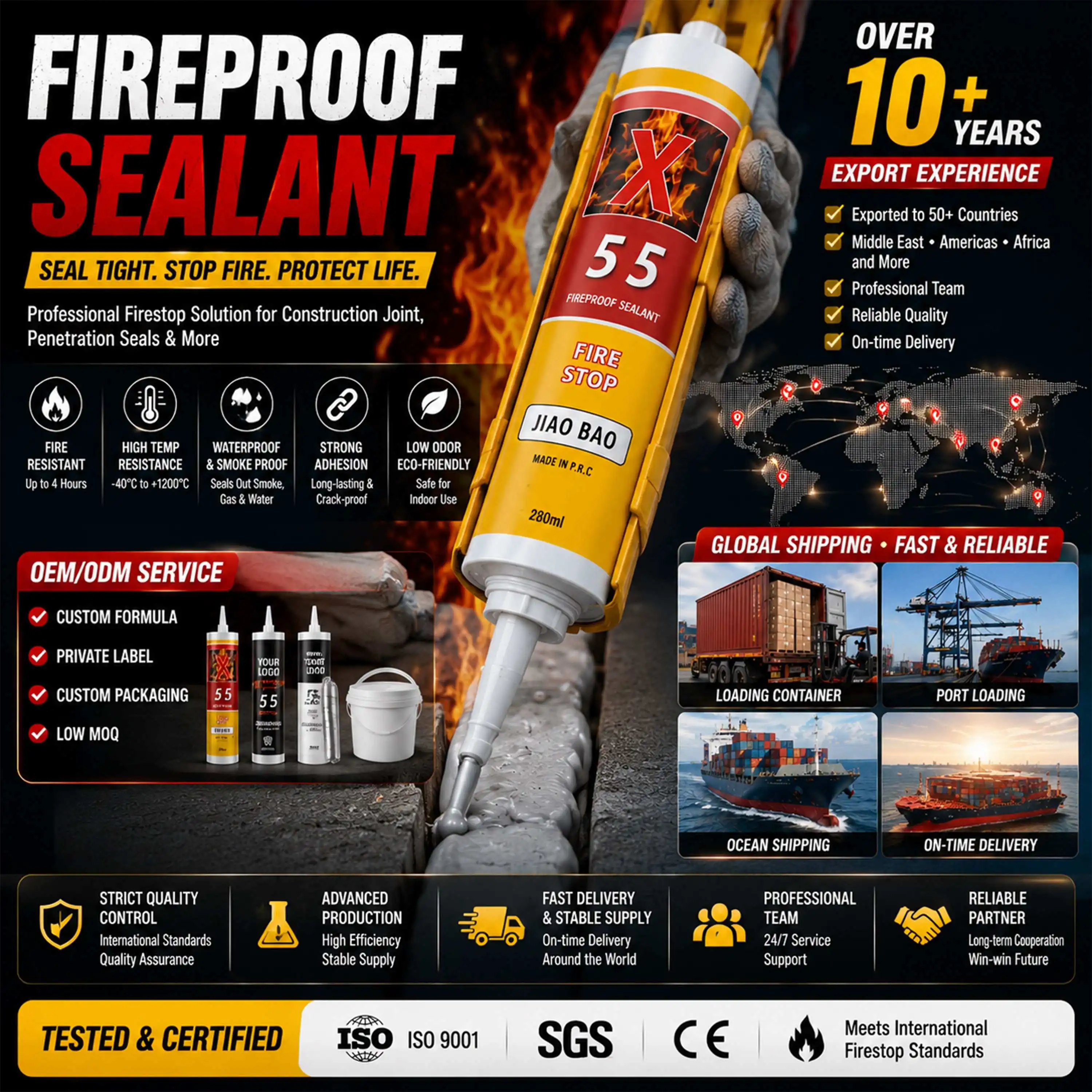
Standard industrial silicone sealants typically handle continuous exposure up to 260°C, with short-term intermittent peaks reaching 315°C. Fireproof silicone sealant high temperature performs within this temperature range. Below those thresholds, the sealant remains elastic and bonded. Above 350°C, silicone polymer chains begin depolymerizing, causing brittleness and adhesion loss. For joints routinely exceeding 350°C, a silicate-based refractory sealant becomes the appropriate choice.
One of the most severe circumstances experienced in the service of kilns and boilers is rapid heat cycling. Equipment will heat up to operational temperatures and cool down during shutdowns, often hundreds of times a week. A sealant with a Shore A hardness in 25 and 40 and an elongation at break of over 300% can withstand this mechanical stress without splitting at the interface of the joint, something that typical construction sealants cannot do.
Field data from heating and cooling installations or industrial oven makers indicate that, when correctly applied, fire-rated silicone will maintain over 80% of its initial tensile properties after 5,000 hours of constant heat exposure. The service life of resistance to UV, ozone and engine fluids increases in outdoors or mechanical conditions. This longevity means machine operators have less frequent maintenance and less costly unexpected downtime.
Offshore pipes are built utilising S-lay, J-lay, or reel-lay, all unique lay barges. S-lay is appropriate for smaller to medium lifts when the pipe enters the water approximately vertically. J-lay is good for deep water. Bend radius is affected by wall thickness constraints during reel-lay techniques. JCOE or standard UOE LSAW pipes with tight ovality control are appropriate for large deepwater projects. After installation, offshore pipelines are examined using ROVs and smart pigs. Cathodic protection mechanisms are inspected annually.
Land pipelines are constructed using trenching machinery, side-boom type tractors and welding spreads. Access to land is easier than coastal operations, however places crossing rivers and mountains still need horizontal directional drills (HDD). Carbon Equivalent (CEV) Values are monitored for field welding by welding specialists for API 5L PSL2. A CEV above 0.43% might cool heating and buildings. Above ground potential evaluation, interior cleaning pigs and inline inspection (ILI) machinery for catalytic protection are part of routine maintenance.
Cathodic protection is required at both locations but is installed differently. Aluminium or zinc sacrificial anodes are used in offshore systems. They are connected directly to the pipes or the material weight coatings. Anode utilisation speed is determined by the DNV-RP-F103 standard.
Onshore systems use rectifiers and groundbeds distributed along the right-of-way in order to provide exemplary cathodic protection (ICCP). ICCP design relies on ground resistivity, protecting holiday density and stray current interference. For related sealing requirements, fireproof silicone sealant high temperature can be adopted for high-temperature joint sealing of the pipeline system. Procurement teams for sour service onshore oilfield need to verify pipe meets NACE MR0175/81561 criteria to prevent sulphide stress fractures.
Reliable adhesion requires clean, dry and oil-free surfaces. Any contamination of the bond line such as oil, dust, oxidation or leftover old sealant may impair peel strength and provide a conduit for gas or flames to get past the seal. For porous substrates, such as concrete or tough masonry, a suitable primer sprayed 30 minutes before to installation of the sealant may elevate adherence to the level needed for a 4-hour fire rating.
Apply the sealer at a normal room temperature and let cure thoroughly prior to the time the assembly is exposed to service heat. If you use cartridge adhesive over a hot joint, the outermost layer could rip before the inside has cured, trapping solvents and leaving gaps. Diameter of bead should be consistent throughout length of junction. The surface should be tooled immediately after application as a way to provide complete communication between the two bonding surfaces.
After the initial cure, which is usually 24 to 72 hours, depending on the depth of the cartilage and the ambient humidity, visually inspect the bead for holes on the surface, pull-away at borders or colour inconsistencies that may indicate an incomplete cure. Re-inspect after first 30 cycles of heat for high cycle industrial equipment. Results of documentation examination for compliance records. It is far less expensive to fix a bad bead before it causes a gas leak or fire than to fix the problem after it happens.
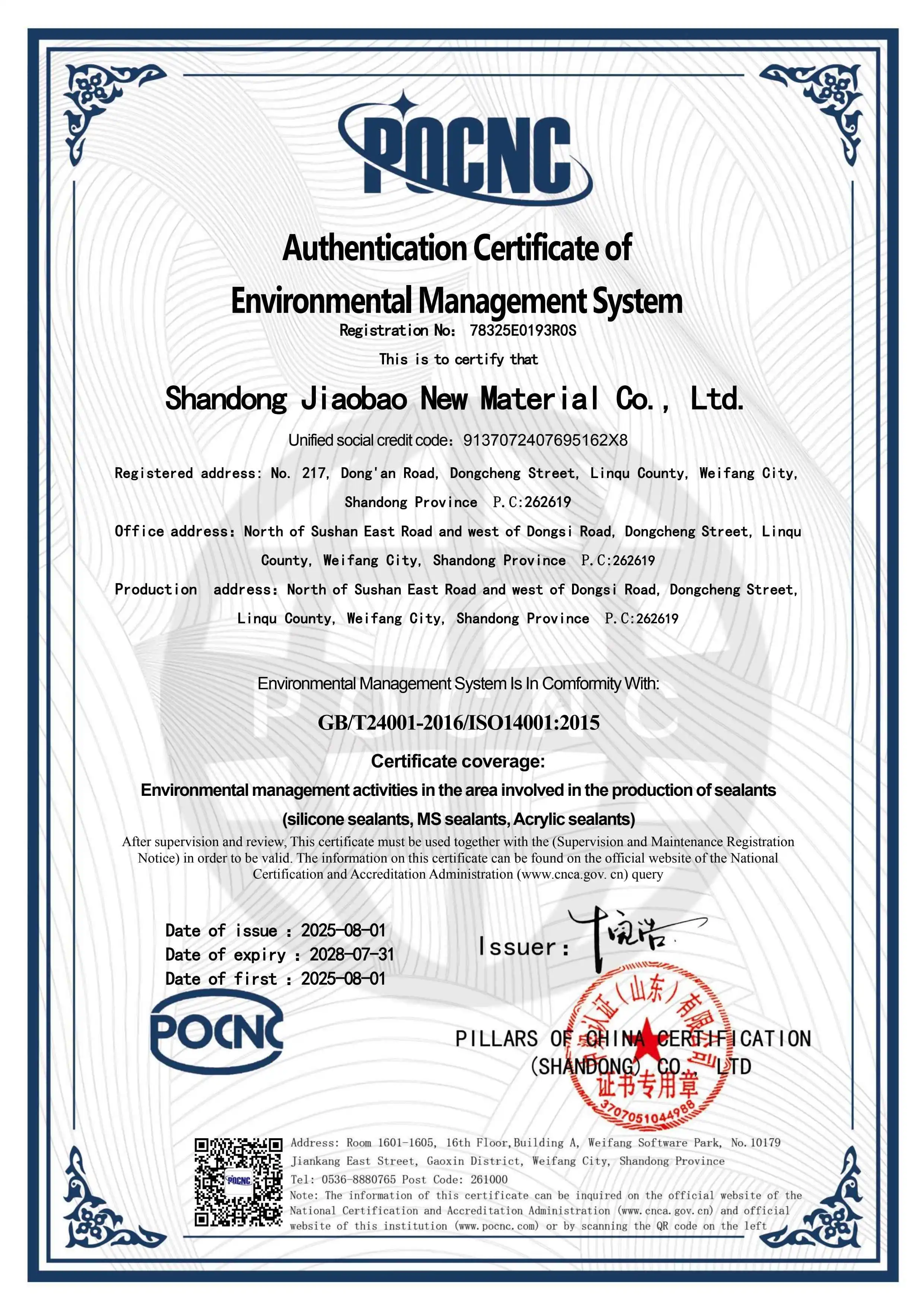
Before making a trial order ask for the ISO certification, the tests for the particular batch and the proof of the fire rating verification from a third-party. It's a procurement risk if a supplier cannot guarantee batch traceability because of their fire-rated goods, regardless of unit pricing. When your product standards are not conventional catalogue items, OEM capabilities counts. Lead times, labelling needs and package formats all impact overall procurement cost.
Here are the key criteria that distinguish a qualified fireproof silicone sealant high temperature supplier from a general distributor:
These criteria collectively reduce the risk of seal failure, production delays, and compliance shortfalls across your procurement cycle.
The normal strategies for controlling cost in this area include bulk order pricing, testing of samples before commitment and framework supply agreements. But the real cost driver in extreme temperatures sealing is not the cost of the sealant unit – it is the cost of replacement, warranty claims or safety events due to seal failure. A solution that costs 15% extra per cartridge but saves one unscheduled maintenance stoppage per year has a very high return.
Fireproof silicone sealant high temperature is safe and effective at very high temperatures when the product is properly specified and applied, and purchased from a reliable manufacturer. The difference in quality between a conventional and a fire-rated sealant is significant above 150 °C. If your industrial equipment contains kilns, boilers, flue passages, or rated construction joints, apply an authorised high-heat sealant. It's a safety need and a solid engineering decision. Getting the specification correct at the gathering stage might save you from costly failures in the field.
Heat resistant silicone is silicone that is designed to keep its physical qualities at extreme temperatures – often for gasketing. Fire-rated silicone is tested to standards such as UL 14779 or ASTM E814, and is certified to prevent the passage of fire and smoke for a certain amount of time. Only fire-rated goods qualify if your application includes life-safety compliance.
No. RTV silicone cures by absorbing moisture from the air. Early peeling, internal cavities and low binding strength are the result of application on a heated surface. Only apply at room temperature and let it cure fully before placing the joint to service heat.
Above 300°C, silicone polymer chains begin to degrade. The material becomes brittle and loses adhesion. For joints continuously exposed above 350°C, switch to an inorganic silicate-based refractory sealant.
A properly formulated fire-rated silicone sealant does not release significant toxic gases. It is designed to char or remain inert under fire exposure, which is a core requirement for firestop applications in occupied buildings.
Not always. Many fire-rated silicones are self-priming on glass, aluminum, and steel. However, for porous substrates like concrete or chemically treated metals — especially where a 4-hour fire rating is required — an adhesion test is strongly recommended before skipping the primer step.
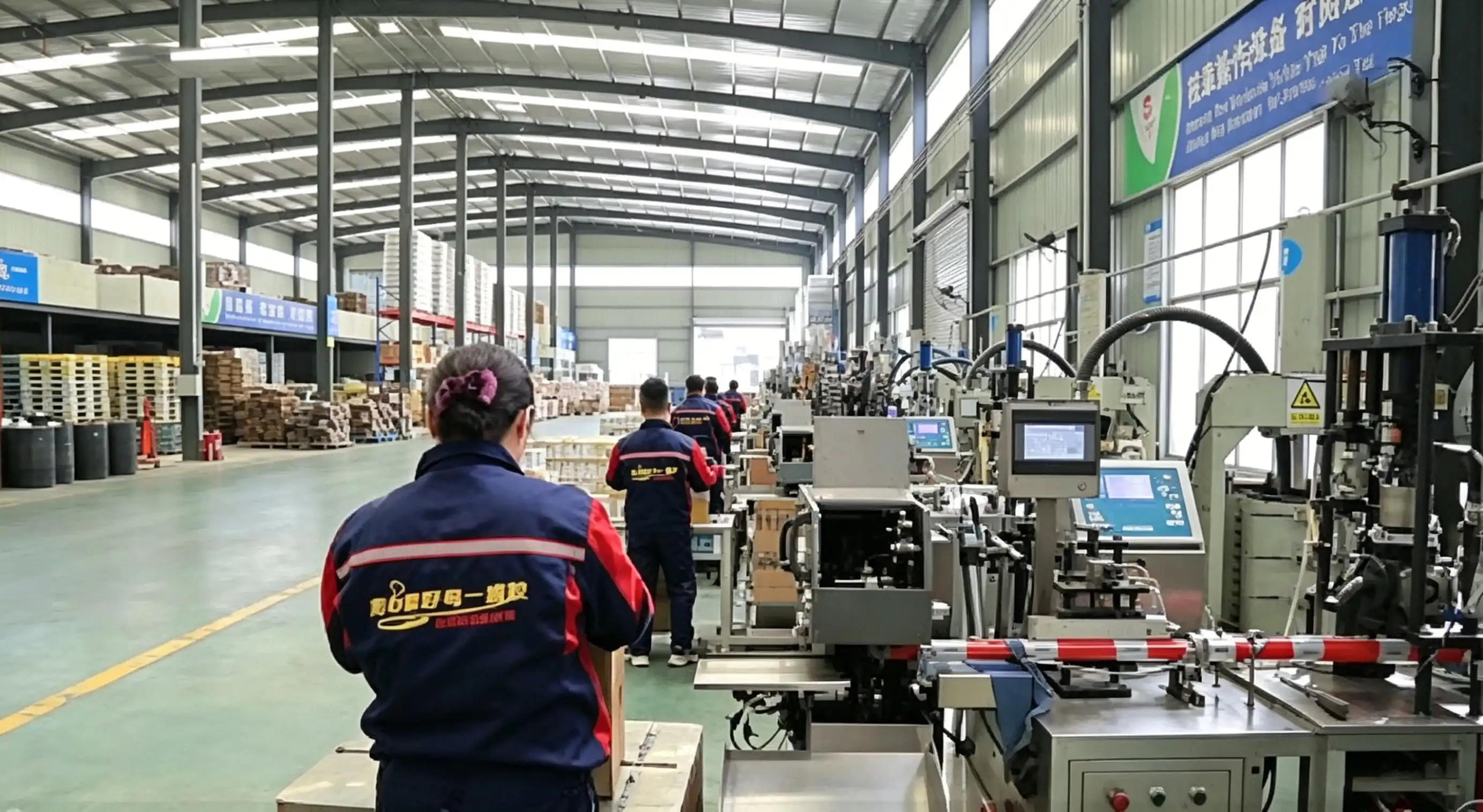
Jiaobao has manufactured professional-grade silicone sealants since 2013, with ISO certification and over 13 years of production experience. As a trusted fireproof silicone sealant high temperature supplier, we offer OEM/ODM customization, 1–2 week lead times, and full after-sales accountability. Our products are available in 300 ml and 600 ml formats in cartridge or sausage packaging. Contact us at dorashen@cnjiaobao.com or visit shandongjiaobao.com to request samples or technical documentation.
1. ASTM International,, 2023, ASTM E814: Penetration Firestop Equipment Fire Tests.
2. UL Standards & Engagement—UL 1479: 2022 Through-Penetration Firestop Fire Tests.
3. British Standards Institution, when 2020, BS 476 Part 20: Fire Resistance Testing for Construction Elements.
4. European Committee for Norms, EN 1366-4: Service Installation Linear Joint Sealing Fire Protection Tests, 2021.
5. Construction sealants and Adhesives, Petrie, E.M., the publisher John Wiley & Brothers, fourth edition, 2007.
6. Thermal Oxidation and Resilience of Polymeric Siloxane Substances Under Longer Heat Exposure, Journal of Advanced Plastic Science, Vol. 138 Issue 12, 2021.
November 16,2023
Enterprise Name
The sealant has very strong adhesion and performs well even on glass and aluminum. After curing, it remains flexible and shows no cracking. Perfect for our facade projects.
November 16,2023
Enterprise Name
Stable quality across batches. Our customers especially like the smooth application and consistent extrusion. It helps reduce installation time on site.
November 16,2023
Enterprise Name
I used it for bathroom sealing. Excellent waterproof performance and no mold issues so far. It's been holding up very well in humid conditions.
November 16,2023
Enterprise Name
The neutral silicone works well on sensitive materials without corrosion. Very suitable for industrial applications requiring stable performance.