November 16,2023
Enterprise Name
The sealant has very strong adhesion and performs well even on glass and aluminum. After curing, it remains flexible and shows no cracking. Perfect for our facade projects.
Oct 27, 2026
When choosing between a GP silicone sealant high adhesion formula and a polyurethane (PU) sealant for door and window manufacturing, the answer depends on your substrate, climate exposure, and production demands. For aluminum and glass bonding—where tensile bond strength must reach at least 1.5 MPa and joints face daily thermal cycling—the acetic-cure silicone formula consistently delivers stronger, longer-lasting results without primers. PU sealants have their place, but silicone's UV immunity and temperature range of -50°C to +150°C make it the more durable pick for fenestration applications.
Before you compare, it's helpful to know what each product is and where it really shines in real-world applications.
A GP silicone sealant high adhesion formula is an RTV (Room Temperature Vulcanizing) silicone paste that is made of one part and cures in acetic acid. This mix has a higher ratio of silicone polymers and organofunctional silane adhesion boosters than most commercial-grade silicones that have been dampened with solvents. For most uses, these boosters don't need a primer because they form a direct chemical bond with non-porous surfaces like anodized metal and coated glass. Jiaobao's formula gets a bond strength of 1.5 MPa and a tensile rate of more than 300%.
Polyurethane seals are made from organic polymers and harden when they come in contact with water. They are used a lot in construction joints, gaps for concrete expansion, and to seal cars. Most PU sealants are very tough and can be painted over after they have dried, which is helpful in some architectural situations. But because they are made of biological matter, they break down more quickly in UV light than pure silicone science.
The main difference between the two types of weathering is how long they last. Because the Si-O backbone doesn't soak up UV energy like carbon-based polymers do, silicon bonds stay strong in the presence of UV light. Even though PU seals are strong at first, they can chalk, crack, or soften after being outside for a long time. This makes window and door systems more expensive to maintain.
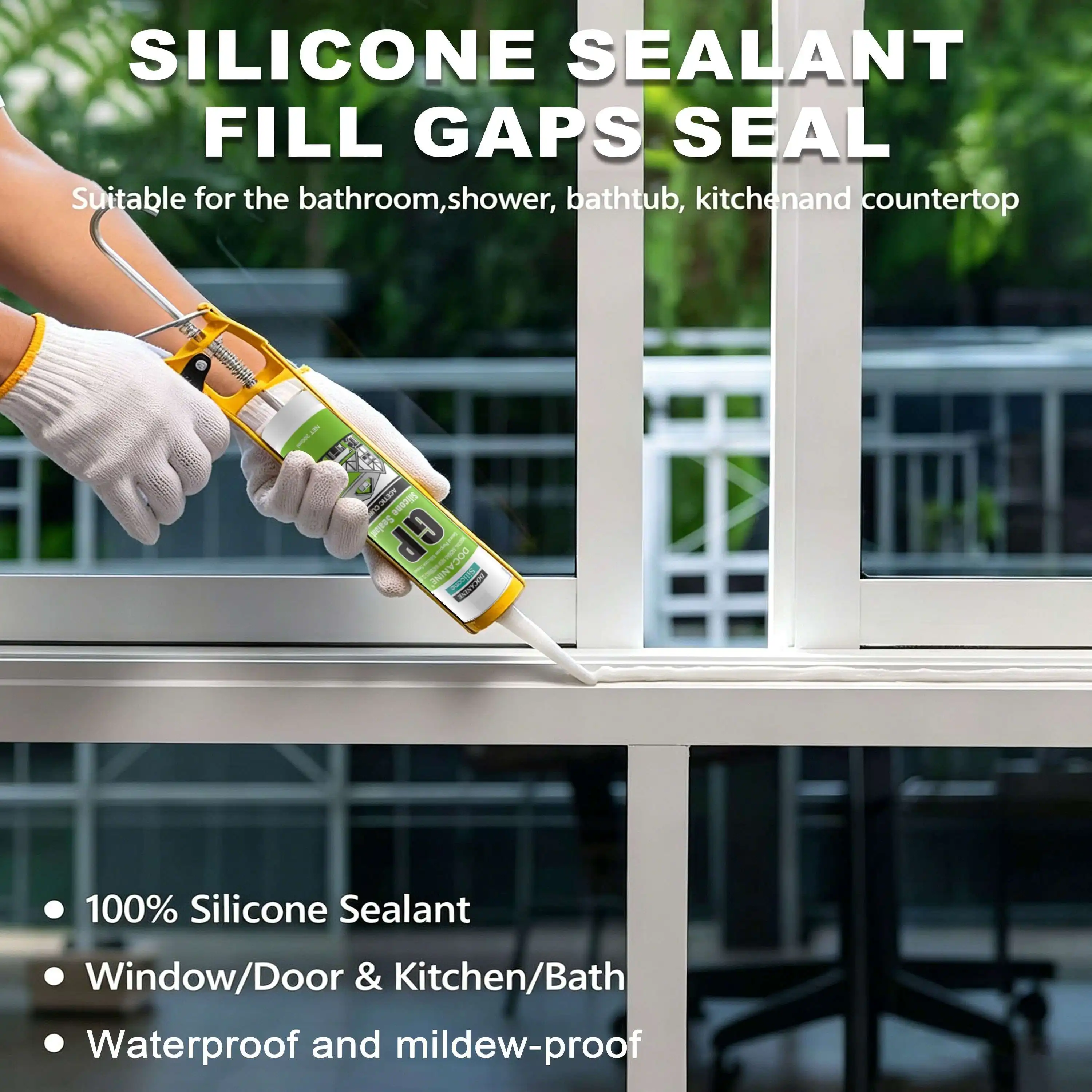
This section puts both products side by side across the factors that matter most to door and window manufacturers.
Jiaobao's GP silicone sealant high adhesion formula bonds effectively to glass, aluminum, stone, ceramic tiles, plastic steel, and concrete—without special primers. Valid quality batches show cohesive failure (the sealant tears internally) rather than adhesive failure (sealant peels clean off), a critical distinction verified through ASTM C794 peel adhesion testing. PU sealants bond well to porous substrates like concrete and wood but often require primer treatment on smooth, non-porous aluminum or glass to achieve comparable peel values.
Silicone maintains flexibility from -50°C to +150°C. This thermal range covers environments from Scandinavian winters to Middle Eastern summers—both key export markets. The displacement capability of ±20% to ±50% allows joints to absorb building movement and thermal expansion without cracking. PU sealants generally perform within a narrower service temperature window and show greater hardness increase (embrittlement) at low temperatures, which can lead to joint cracking in cold climates.
Jiaobao's one-part acetic silicone reaches tack-free status in just 15 minutes, which keeps assembly line throughput high. Its low VOC profile aligns with increasingly strict environmental standards in both domestic and export markets. PU sealants generally carry higher VOC content and longer full-cure windows, which can slow production schedules and complicate ventilation requirements on the factory floor.
When it comes to production managers with tight plans and yearly budgets for buying things that range from ¥800,000 to ¥3,000,000, decisions about where to get things have real financial weight.
Jiaobao sells the product in 300 ml cartridges and 600 ml sausage packs. This lets production lines pick the format that works best with their dispensing equipment and cuts down on waste. Most of the time, sausage packaging makes less plastic trash per unit amount, which helps meet sustainability reporting goals. PU sealants come in similar forms, but they need to be stored more carefully because they are sensitive to moisture before they can be used.
Every batch of silicone from a reputable company should pass specific gravity checks (to find filler that wasn't supposed to be there), extrusion rate checks according to ASTM C1183, and tack-free time checks according to ASTM C679. Jiaobao has had a quality control system in place for 13 years and has ISO and CE certifications to back it up for GP silicone sealant high adhesion formula. For procurement managers, stability from batch to batch has a direct effect on how well an assembly line works. When sealant thickness or curing speed changes, workers have to change how they do their jobs, which slows down production and raises the rate of defects.
Jiaobao has a production lead time of one to two weeks and allows OEM/ODM customization to change formulas like color, viscosity, and tack-free time. Flexible land and sea shipping choices lower transport risk for companies that sell goods in the Middle East and Africa. A clear policy for after the sale—refund or replacement for proven quality problems within the shelf life—lowers the risk of buying things on big framework deals.
It's just as important to choose the right product as it is to get the application right. If the surface is dirty or the conditions aren't right, even the best adhesive silicone sealant won't work as well.
Use isopropyl alcohol (IPA) to clean all substrates before use. Get rid of all the dust, oil, grease, and old sealer that is left behind. You have to do this step even though Jiaobao's high-adhesion solution doesn't need one for most surfaces. Most of the time, adhesive fails in fenestration assembly because the wipe-down step is skipped.
Use the sealant when the temperature is between 5°C and 40°C and the relative humidity is more than 25%. Silicone hardens by reacting with water in the air, so conditions that are very dry will slow the curing process. Do not put the sealant on top of oil-based putties or asphalt, as these will stop the acetoxy cure system from working and can leave the sealer forever tacky.
Five minutes of normal temperatures (23°C, 50% RH) is all it takes for the tape to be not tacky. Let the joint fully cure before putting it in water. When the seal is fully cured, the shore hardness reaches 18, which means that GP silicone sealant high adhesion formula is soft and flexible forever. Check finished joints for continuity. Any gaps or bubbles show that the tooling isn't complete and need to be fixed before the sealant skins over.
After reviewing the technical data and application requirements, several clear advantages emerge for silicone in door and window manufacturing contexts.
The Si-O molecular backbone in silicone is inherently resistant to UV-induced chain scission. Field data from fenestration projects in high-UV regions consistently show that silicone seals retain their elasticity and bond strength far longer than comparable PU joints. For a manufacturer whose brand reputation depends on zero glass-drop incidents, this long-term retention matters more than the initial cost difference.
Window and door frames expand and contract with every temperature change. A sealant with ±20% to ±50% movement capability absorbs this stress repeatedly without fatigue cracking. PU sealants in high thermal cycling environments show progressive hardening that eventually leads to cohesive cracking and water infiltration—the exact failure mode that triggers after-sale warranty repairs.
Fewer post-installation failures mean lower after-sales service costs. Manufacturers who switch from a mid-grade sealant to a properly formulated high-adhesion silicone typically report a measurable drop in warranty claim rates within the first year. The 12-month shelf life and stable formulation also reduce on-site waste from expired or non-conforming batches.
To make strong, long-lasting bonds on glass and metal, door and window makers should use a well-formulated GP silicone sealant high adhesion formula instead of PU sealants most of the time. In this business, the risks that matter the most are glass drops, warranty fixes, and line stops. This product's UV stability, wide temperature range, fast tack-free time, and primer-free adhesion to non-porous surfaces all help to reduce these risks. For open surfaces or uses that need to be paintable, PU sealants are still a good choice. However, they have a higher risk of weathering over time for uncovered fenestration joints.
We don't need a primer because the high-adhesion formula's organofunctional silane adhesion boosters stick right to anodized metal. Before application, a clean wipe with isopropyl alcohol is enough to get rid of any surface dirt and make sure the bond forms fully.
The acetoxy repair method normally makes acetic acid when the material cures. As the sealer dries, it goes away. If you use this recipe on copper, brass, or mirror glass with a silver backing, the acetic acid could corrode or remove the silver from those materials.
No, even though it has a strong bond, this is just a general-purpose weather-sealing product that isn't rated or insured for structural glazing jobs where glass facades are heavy. For those jobs, use structural silicone that has been tested and approved.
Check three things: the shelf life of the product (12 months from the date it was made), the humidity level in the room (must be above 25%), and the fit of the base. Putting oil-based putties or asphalt on them can stop them from healing for good.
Yes, Jiaobao has 300 ml cartridges and 600 ml sausage packs in white, black, gray, and custom colors to meet the needs of any project or brand.
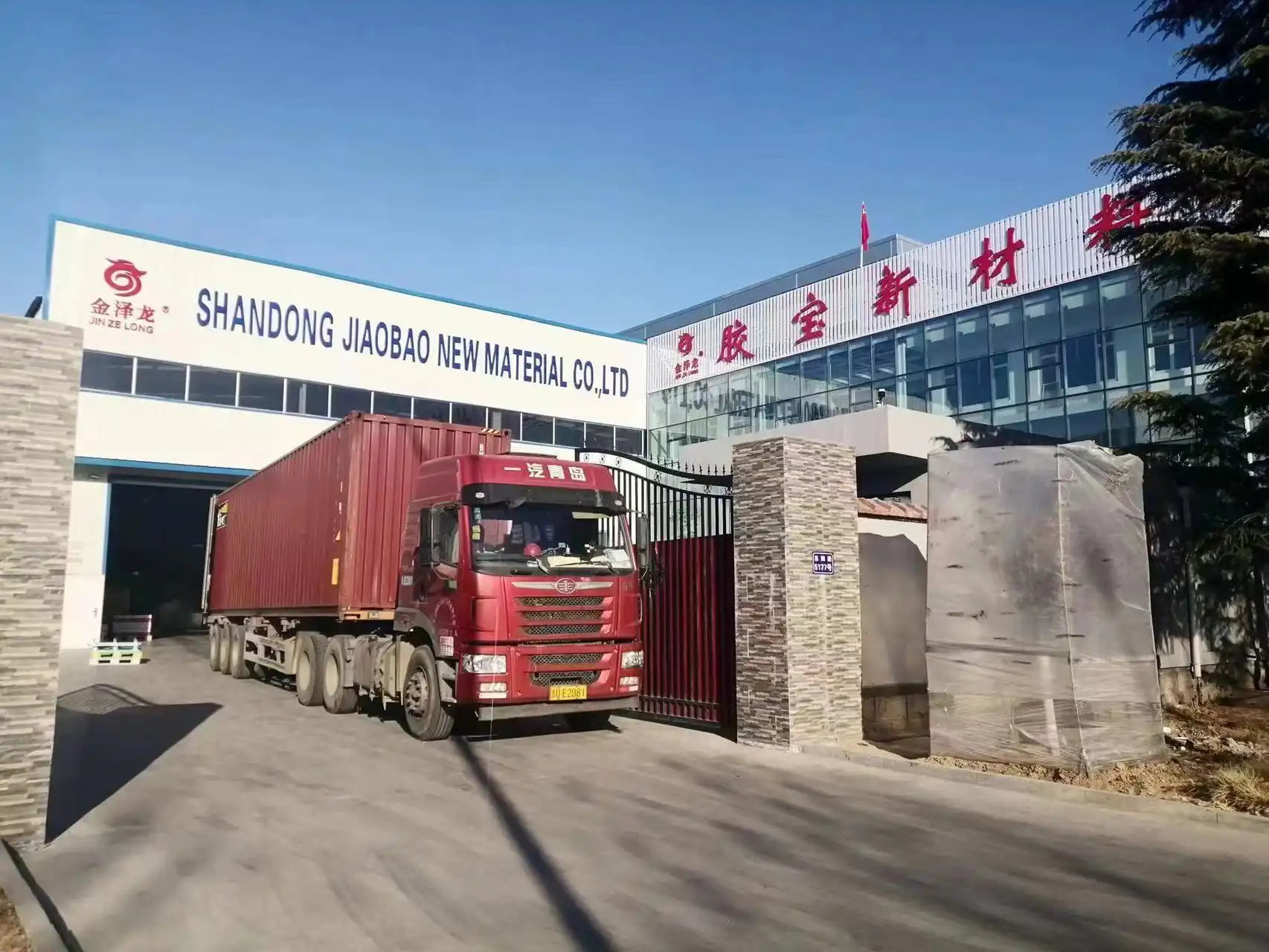
Jiaobao has been making silicone sealants since 2013 and is ISO and CE certified. They have a production wait time of one to two weeks and offer full OEM/ODM personalization. Our technical team can confirm formula specs before your first bulk order, whether you need to change the viscosity, set a certain tack-free time, or add your own color. You can email us at dorashen@cnjiaobao.com to ask for a sample and begin your adhesion testing right away.
1. ASTM International. ASTM C920: Standard Specification for Elastomeric Joint Sealants. ASTM International, 2022.
2. ASTM International. ASTM C794: Standard Test Method for Adhesion-in-Peel of Elastomeric Joint Sealants. ASTM International, 2018.
3. Petrie, Edward M. Handbook of Adhesives and Sealants. McGraw-Hill, 2007.
4. Wolf, A. T. "Durability of Silicone Sealants." Construction and Building Materials, Elsevier, 2005.
5. Brookes, Alan, and Chris Grech. The Building Envelope and Connections. Architectural Press, 1996.
6. ISO. ISO 11600: Building Construction — Jointing Products — Classification and Requirements for Sealants. International Organization for Standardization, 2011.
November 16,2023
Enterprise Name
The sealant has very strong adhesion and performs well even on glass and aluminum. After curing, it remains flexible and shows no cracking. Perfect for our facade projects.
November 16,2023
Enterprise Name
Stable quality across batches. Our customers especially like the smooth application and consistent extrusion. It helps reduce installation time on site.
November 16,2023
Enterprise Name
I used it for bathroom sealing. Excellent waterproof performance and no mold issues so far. It's been holding up very well in humid conditions.
November 16,2023
Enterprise Name
The neutral silicone works well on sensitive materials without corrosion. Very suitable for industrial applications requiring stable performance.