November 16,2023
Enterprise Name
The sealant has very strong adhesion and performs well even on glass and aluminum. After curing, it remains flexible and shows no cracking. Perfect for our facade projects.
Oct 19, 2026
GP silicone sealant for glass and aluminum is a one-component, room-temperature-vulcanizing (RTV) adhesive engineered specifically for sealing and bonding glass surfaces to aluminum frames and profiles. It cures through moisture in the air, forming a permanently flexible elastomeric seal that handles thermal movement, water intrusion, and UV exposure without cracking. Used widely in window fabrication, curtain wall assembly, and door frame sealing, this sealant bridges the coefficient of thermal expansion gap between glass and aluminum — a critical factor that cheaper alternatives routinely fail to address.
GP stands for it in everyday language. In the window and door business, this group is used for RTV silicone sealants that are made for weatherproofing and exterior glass rather than for supporting weight. They are the first line of defense against air and water getting into metal window and door systems. They're made to fit joints that are usually between 6mm and 25mm thick.
It is smooth, has no holes, and doesn't change when chemicals are added to it. Something on aluminum called oxide can make it hard for things to stick together. The crosslinked silicone polymer chemistry physically sticks to both surfaces at the molecular level in a good silicone sealant for joining glass and aluminum. This two-layer adhesion is what sets purpose-formulated goods apart from common ones. It gets rid of oils and gets both areas ready for the sealant before it is put on when you clean the surface with two cloths and isopropyl alcohol.
As it cures, acetoxy (acidity-cure) GP silicone gives off an acetic acid smell that smells like vinegar. A powder coat or anodized aluminum will stick to it well, but it can wear away at mill-finish or bare aluminum over time. With neutral fix silicone, this doesn't happen because it gives off alcohol or oxime instead. It saves time and money for fabricators who work with treated metal frames to use acetoxy GP silicone, which dries faster and doesn't stick. It is safer to use neutral cure for metal that hasn't been treated.
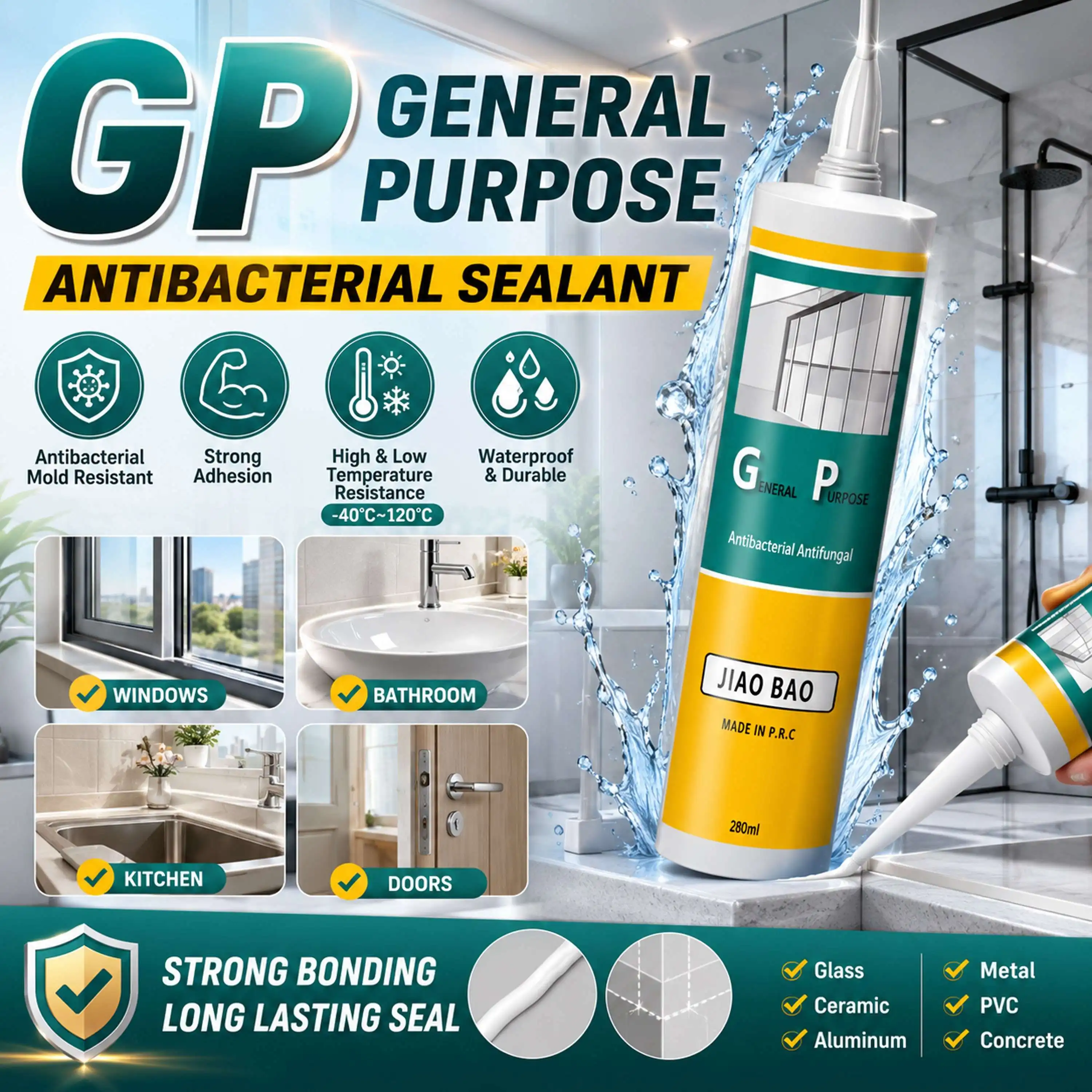
When buying engineers know about performance standards, they don't make mistakes in the specs that cost a lot of money. The following are the most important traits of production-grade GP silicone sealant for glass and aluminum.
In order to attach glass to metal, these are the most important performance factors:
Polyurethane and acrylic sealants are both good for some things, but RTV silicone works best in tough places like places where glass and aluminum are being put together.
You can paint over polyurethane seals, but they break down after being exposed to UV light for a long time. They also soak up water over time, which causes joints to swell and finally break. This means that they can only be used outside for five to seven years before they need to be sealed again. GP silicone sealant for glass and aluminum offers superior UV resistance and low water absorption for long-term outdoor glazing applications.
You can paint acrylic seals and they are easy to use. They are water-based and good for indoor trim work. But they can't be used in joints that move when the temperature changes because they don't stretch much (less than 25%). After two or three years of being on metal profiles in direct sunlight, acrylic beads break.
Researchers at the Sealant, Waterproofing & Restoration Institute have found that GP silicone sealant stays flexible for at least 20 years after being used outside. The slippery surface stops mold growth because it doesn't have any biocide added. Also, the solvent-free mix doesn't shrink a lot after drying, which is a problem that a lot of oil-extended, low-grade silicone goods on the B2B market have.
Where to buy things in bulk isn't just based on how much each one costs. When glass fabricators buy between 60 and 200 metric tons a year, they need to know that they can depend on the supplier and that they have clear technical information.
The following should be on the buying plan used to look at a GP silicone sealant seller:
For quick work, packaging is also important. For different jobs, 300ml cartridges and 600ml sausage packs are both used in different types of guns. When you check that everything works together before you place a big order, mistakes on the production floor don't cost a lot of money.
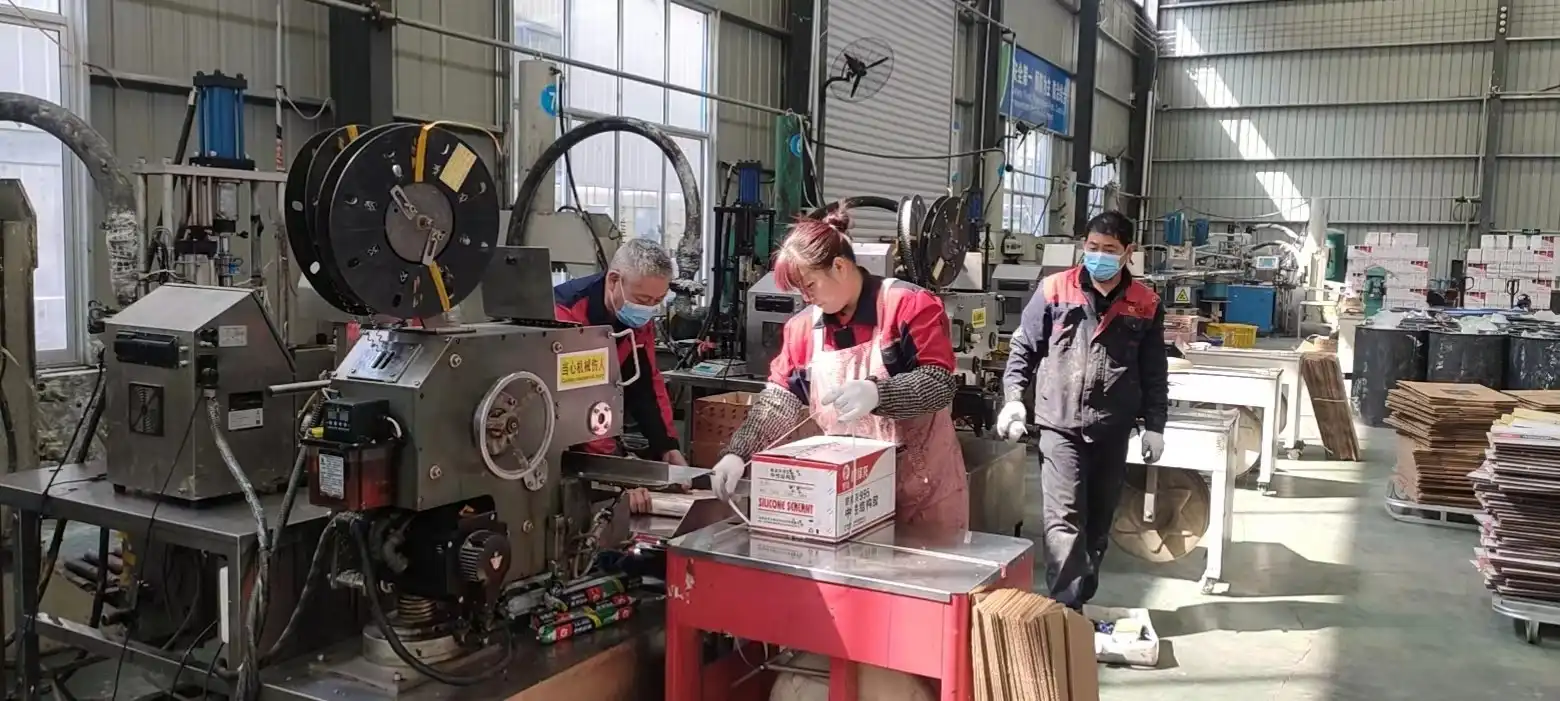
You can use the two-cloth IPA method. First, wipe the area with a solvent-soaked cloth. Once it's dry, use a second clean cloth to do it quickly before the solvent goes away. If you let the solvent dry in the air, the contaminants will rise to the top again. Before applying GP silicone sealant for glass and aluminum, both the metal and the glass faces must be dry and free of oil.
Use when it's between 5°C and 40°C outside and more than 40% of the air is wet. The wetness fix stops below this point, and the tack-free time keeps getting longer without warning. Put on the bead in one smooth stroke, and then tool it within 5 minutes. When you use tools after skinning, holes are made in the seal that you can't see from the outside but are bad for the cross-section of the seal.
It usually takes 24 to 72 hours for the glue to fully set, but it depends on how deep the joint is and how humid it is. After that, check the contact between the glass and aluminum for air bubbles, missing fill, or adhesive separation. If the bead has been cured correctly, it should be clear or have a consistent color that doesn't turn yellow. Once a year, installed assemblies should be checked for early signs of cohesive cracking before water gets in. This is especially important in coastal or high-UV areas.
GP silicone sealant for glass and aluminum is a unique item. If the right condition isn't met, like if the cure type is wrong, the elongation isn't enough, or the quality of each batch isn't the same, production losses happen because of seal failures, glass fogging, and having to redo work.
The test results make it clear that the sealant needs to have a certain amount of shore hardness, elongation, bond strength, and temperature stability in order to regularly work in systems with metal windows, doors, and curtain walls. It is much safer to buy something from a company that has confirmed licenses, quality control at the batch level, and the ability to make formulations fit your needs.
It's a "yes."
Most of the time, this means the product is old and oily. When the bead dries, the hydrocarbon solutions that were used to fill it wear off, leaving it smaller. When stress builds up, the sealant either tears from the inside (cohesive failure) or pulls away from the substrate (adhesive failure). It's not good enough if the shrinkage after curing is more than 5%.
It's not possible for paint to stick to silicone. Paint the aluminum frame before putting on the sealant bead. A mixed polymer glue is the right kind of product if the project requirements say that the joint needs to be painted over.
When it's 23°C outside and 50% humidity, it takes most acetoxy GP silicone sealants 15 minutes to dry to the touch. For every joint depth, it takes between 24 and 72 hours to fully repair. When it's cold or dry, this time frame lasts longer.
GP silicone is not a glue for making things, no. It keeps the rain out. And it needs to be high-modulus structural silicone that meets ASTM C1184 for structural glass. This silicone is made to hold up against both the weight of the glass and the force of the wind. There is a big mistake in the way safety is thought out when GP silicone is used for structural glazing.
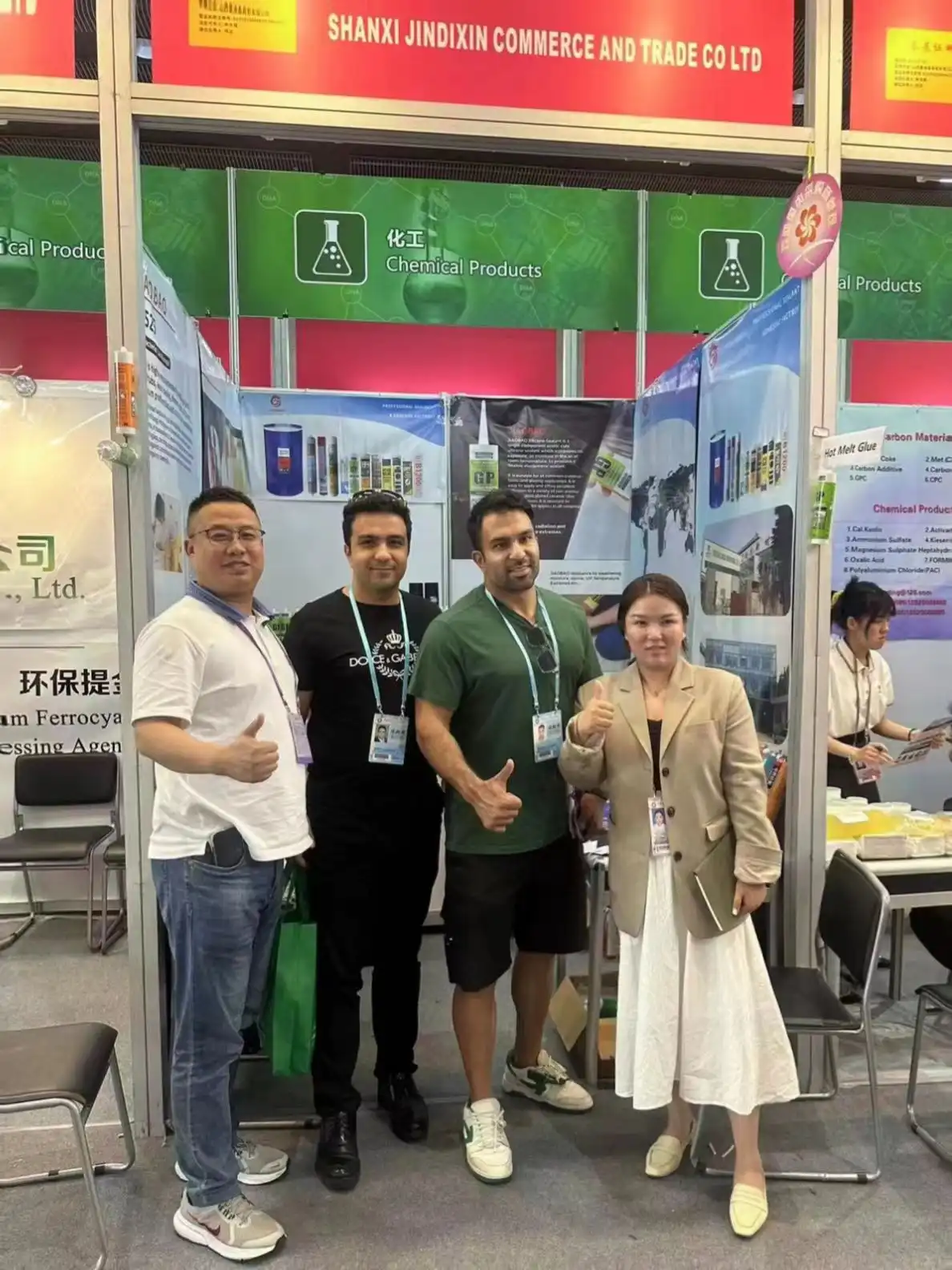
The Shandong Jiaobao New Material Co., Ltd. has been making silicone sealants and selling certified GP silicone sealant for glass and aluminum to fabricators in China and other countries since 2013. There is a one- to two-week wait time, support for OEM/ODM formulas, and a quality guarantee during the shelf life at Jiaobao. These features give big buyers the supply security and technical information they need. Send an email to dorashen@cnjiaobao.com or visit shandongjiaobao.com to get samples or a bulk price right away.
1. Sealant, Waterproofing & Restoration Institute. SWRI Sealant Engineering & Associated Lines Guide. SWRI, 2019.
2. ASTM International. ASTM C920: Standard Specification for Elastomeric Joint Sealants. ASTM International, 2022.
3. ISO. ISO 11600: Building Construction — Jointing Products — Classification and Requirements for Sealants. ISO, 2022.
4. ASTM International. ASTM C794: Standard Test Method for Adhesion-in-Peel of Elastomeric Joint Sealants. ASTM International, 2018.
5. Wolf, A.T. Durability of Building Sealants. RILEM Publications, 1999.
6. Panek, J.R., and Cook, J.P. Construction Sealants and Adhesives, 3rd ed. John Wiley & Sons, 1991.

November 16,2023
Enterprise Name
The sealant has very strong adhesion and performs well even on glass and aluminum. After curing, it remains flexible and shows no cracking. Perfect for our facade projects.
November 16,2023
Enterprise Name
Stable quality across batches. Our customers especially like the smooth application and consistent extrusion. It helps reduce installation time on site.
November 16,2023
Enterprise Name
I used it for bathroom sealing. Excellent waterproof performance and no mold issues so far. It's been holding up very well in humid conditions.
November 16,2023
Enterprise Name
The neutral silicone works well on sensitive materials without corrosion. Very suitable for industrial applications requiring stable performance.

