November 16,2023
Enterprise Name
The sealant has very strong adhesion and performs well even on glass and aluminum. After curing, it remains flexible and shows no cracking. Perfect for our facade projects.
Oct 20, 2026
Nail free glue heavy duty adhesive bonds effectively to wood, MDF, metal, ceramic tile, glass, gypsum board, PVC, and natural stone. As a modified silane polymer formula, it works without drilling or mechanical fasteners, making it a go-to choice for commercial fit-outs, retail displays, and DIY projects where surface protection matters. Proper surface preparation determines final bond strength. Clean, dry, and grease-free substrates consistently produce the strongest results across all material types.
Modified silane polymer adhesives represent a technical step beyond traditional solvent-based construction glues. Jiaobao's one-component formula cures through ambient moisture rather than chemical mixing, which means faster setup and a more stable end result.
The formula carries a tensile strength of 2.5 N/mm² (ISO 37) and 300% elongation at break. That flexibility is not decorative—it absorbs thermal expansion between dissimilar materials, reducing the risk of bond failure over time. Shore A hardness sits at 50 ± 5, balancing rigidity with elastic recovery.
This adhesive sees regular use in retail display construction, office partition installation, exhibition stand assembly, and residential trim work. Its 20-minute surface dry time and 2.5 mm/24-hour cure depth let crews move between tasks without long wait windows, which directly supports tight commercial schedules.
Before procurement, buyers typically evaluate four metrics: initial grab strength, full cure timeline, temperature range, and substrate compatibility. Jiaobao's formula operates from -40°C to 80°C and ships in 300 ml and 600 ml options in both cartridge and sausage packaging, fitting standard dispensing guns used across most job sites.
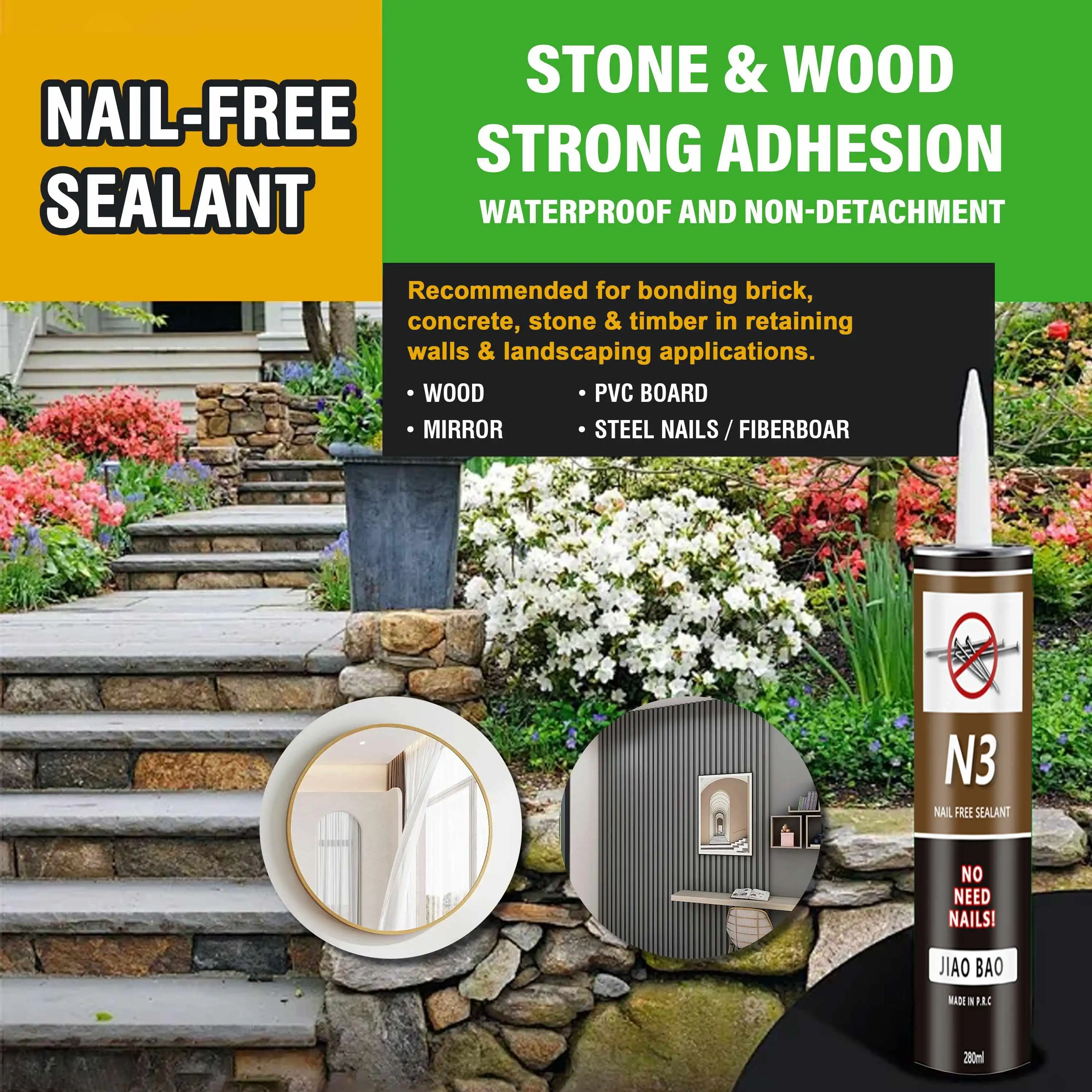
A big part of how well something works is how well it sticks to a surface. If the substrate is right, the bond will either stay strong at 30 kg or break after a week.
Nail free glue heavy duty creates a strong link where the glue meets the grain. The recipe makes a paste that fills in gaps in MDF and plywood. It also makes the surface smoother, which is something that sheet goods often need. If you seal or coat a surface after lightly sanding it, mechanical keying will work better on it.
Grease needs to be removed from smooth, non-porous surfaces before they can be bonded. This alcohol won't hurt iron or stainless steel when used to clean them. When the surface is clean, the changed silane chemistry forms a strong chemical bond with the metal oxides. There is a way to clean both glass and tile. When the surface is smooth, a thin, even bead works better than a thick coating most of the time.
You need a slightly bigger bead between drywall and gypsum board because they soak up a lot of water. This keeps them from drying out before they touch. If the surface is clean, most stiff plastics and PVC will stick together without glue. You might not be able to get the bonding levels you need for load-bearing uses if you use a plastic primer or if you scratch acrylic that is smooth or bendy. Always start with a small area to make sure it works.
Teams that buy things also often look at different kinds of construction sealants, epoxies, super glues, and double-sided tape. The answers are different for each one.
The main choices are listed below:
Jiaobao's nail free glue heavy duty is a modified silane polymer glue that doesn't need to be mixed and is strong enough to hold buildings up. Putting them in water can also help them heal. When you buy something, the standard cartridge size and shelf life of 12 months save you money and help you keep better track of your stocks.
Good application technique matters as much as product selection. Even the strongest adhesive underperforms when applied to poorly prepared surfaces.
Wipe all surfaces with a clean, lint-free cloth and isopropyl alcohol. Allow surfaces to dry fully before applying adhesive. Ambient temperature should fall between 5°C and 35°C for construction. Outside this range, cure behavior becomes less predictable.
Apply the adhesive in a consistent bead or dot pattern depending on the panel size. For large flat surfaces, a serpentine bead pattern ensures even load distribution. Press surfaces together firmly and hold for 30–60 seconds. Full mechanical strength develops within 24–72 hours depending on bead depth, humidity, and temperature. Avoid disturbing the bond during initial cure.
Work in ventilated spaces during application. Store unused product at 5°C–25°C away from direct sunlight. Sealed cartridges retain full performance for 12 months from the manufacture date. Dispose of partially used cartridges according to local regulations. PPE including nitrile gloves and safety glasses is recommended during application.
To choose an adhesive supplier for nail free glue heavy duty, it's not enough to just look at prices per cartridge. The cost to buy everything is based on how consistent the batches are, how reliable the lead times are, and how much technical support is available.
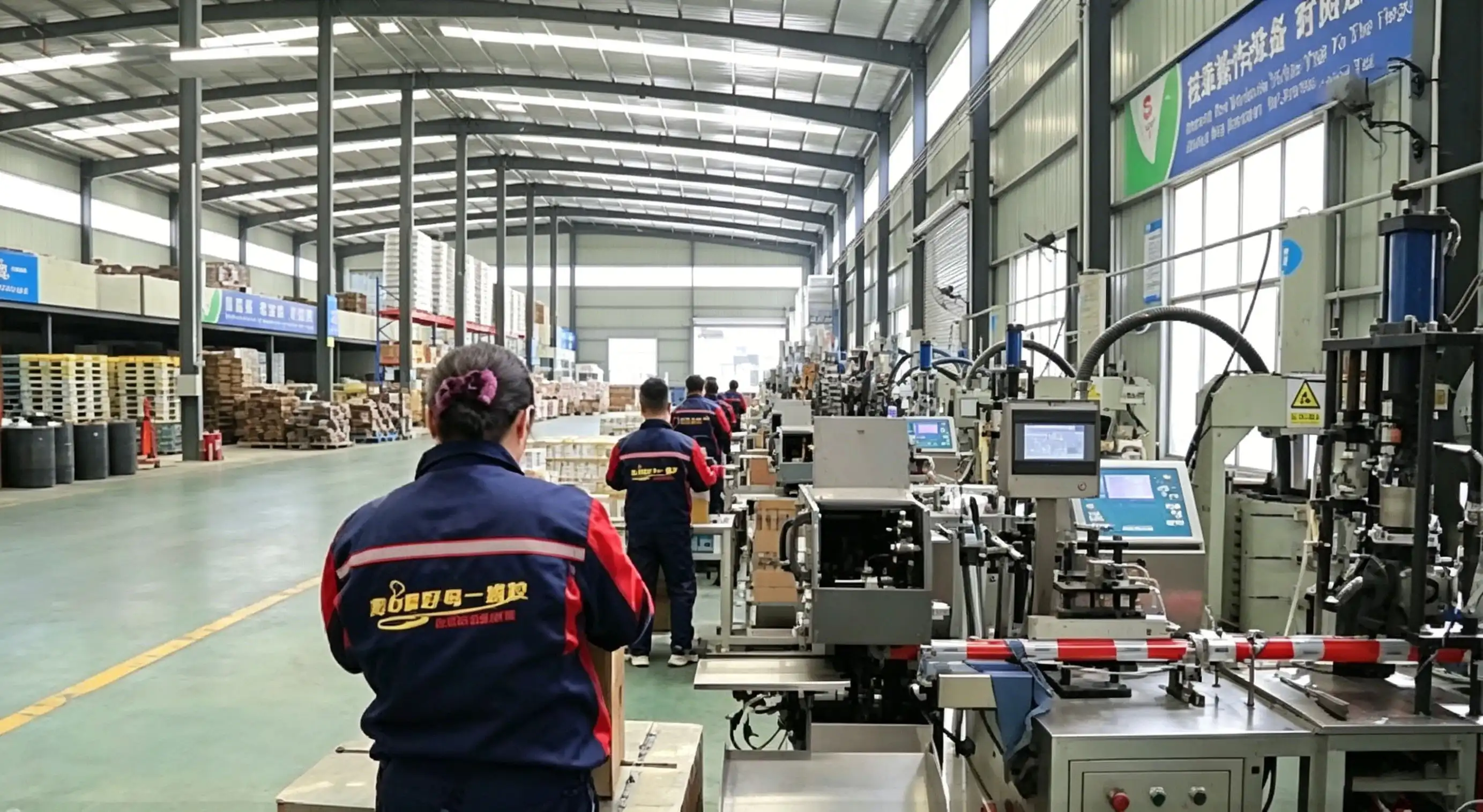
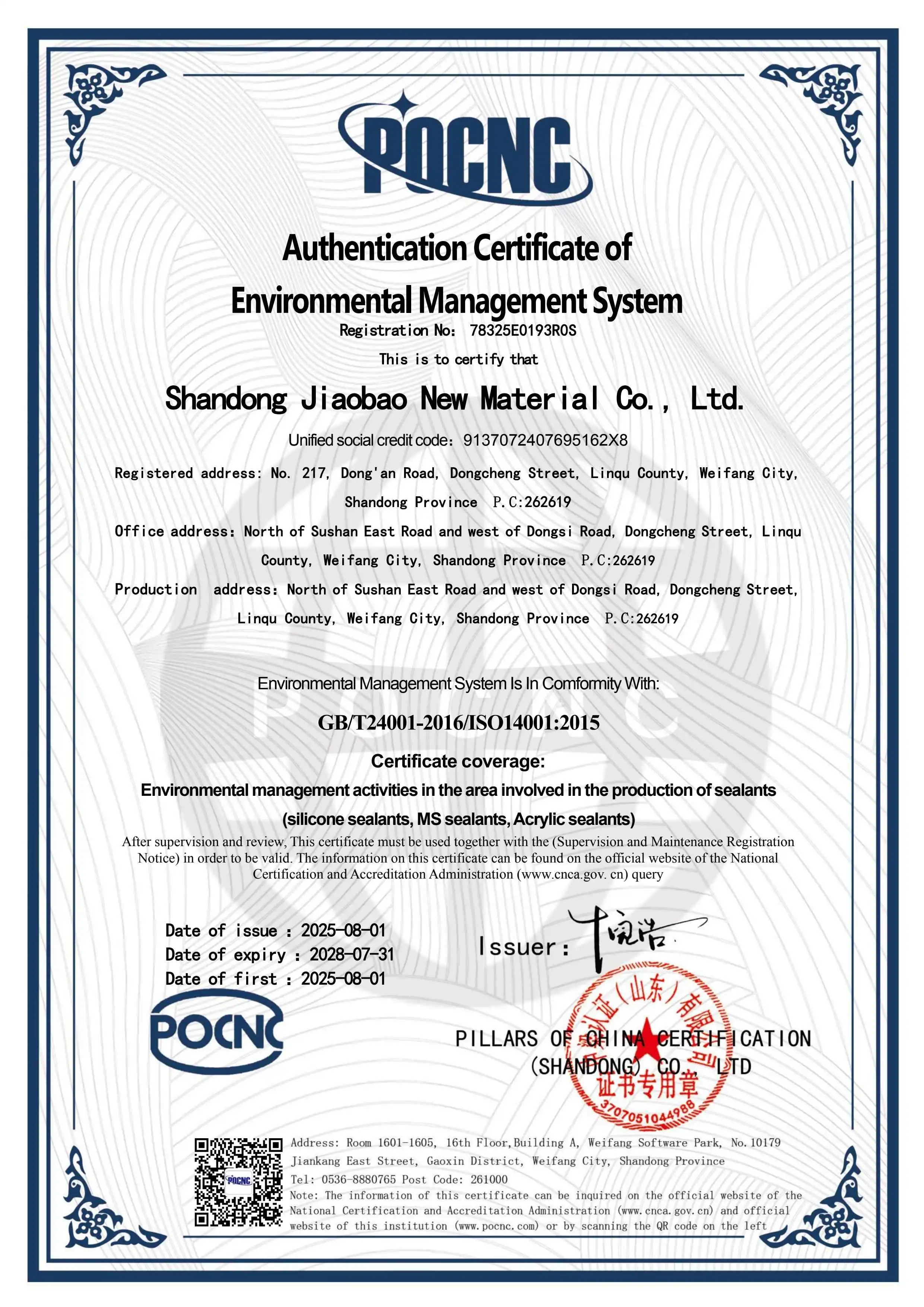
Some of the most important standards are ISO certification, written quality control methods, and detailed data sheets that are easy to understand. Jiaobao has been making things since 2013 and has an ISO certificate. For more than 13 years, they've been making things. Any claims about performance that are backed by tests against standards like ASTM C557 or ISO 11600 by a third party are likely to be true.
Most of the time, people who buy structural glue can try some samples first. You can ask for test numbers in either a 300-ml or 600-ml cartridge. Check the bases' shear strength and slump, and make sure the open time fits with how fast your crew is putting the floor down. In these three to five days, you can find out most of what you need to know about compatibility.
For parts that can be seen, commercial fit-out jobs often need glue that is the same color as the building. You can pick from White, Black, and Gray in Jiaobao. They can also mix colors to make rooms look a certain way. OEM/ODM things can be brand-named or made to fit the needs of distributors and workers in their area.
It depends on how well nail free glue heavy duty, the no-drill glue, is mixed, how well it sticks to surfaces, and how well those surfaces fit together if it works as planned. Silane polymer glue that has been changed can stick to ceramic tile, metal, and drywall, among other things. This kind of stuff is used for most projects at home and at work.
Jiaobao's heavy-duty mix adds a 12-month shelf life, the ability to cure regularly in water, and the flexibility to be packed in different ways to that surface range. The tensile strength of structural adhesives has been recorded. They can be used on different surfaces, and the OEM can change them to meet their needs. They are good for a lot of different project sizes because of this.
It is the question that people ask most often.
The process of healing moves more slowly when it's cold and less quickly when it's hot.
Yes, for things like stands, panels, decorations, and trim. Strength: 2.5 N/mm²; when it breaks, it's 300% longer than its length. Look at the technical data sheet and try it on the material you already have before you change all the bolts on a structure that needs to hold loads that are safety-critical.
After being cleaned well, it sticks to stainless steel. If there is light wear or a plastic primer that works with acrylic and low-energy plastic surfaces, it sticks better. The first thing that should always be done is a test treatment on a small area.
The heavy-duty glue is simple to get from Jiaobao. It comes with an ISO certificate, is tried in batches, can be changed for OEMs, and is good for a year. Our team can help you whether you need 300 ml cartridges for small projects or big sausage packs for large-scale rollouts. You can get a free sample or talk about your project needs right away by emailing dorashen@cnjiaobao.com or visiting shandongjiaobao.com.
1. Petrie, E. M. Handbook of Adhesives and Sealants. McGraw-Hill, 2007.
2. Adams, R. D. Adhesive Bonding: Science, Technology and Applications. Woodhead Publishing, 2005.
3. ASTM International. ASTM D1002: Standard Test Method for Apparent Shear Strength of Single-Lap-Joint Adhesively Bonded Metal Specimens. ASTM International, 2019.
4. ISO. ISO 11600: Building Construction — Jointing Products — Classification and Requirements for Sealants. ISO, 2002.
5. Cognard, P. Handbook of Adhesives and Sealants, Volume 2: General Knowledge, Application Techniques, New Curing Techniques. Elsevier, 2006.
6. Kinloch, A. J. Adhesion and Adhesives: Science and Technology. Chapman and Hall, 1987.
November 16,2023
Enterprise Name
The sealant has very strong adhesion and performs well even on glass and aluminum. After curing, it remains flexible and shows no cracking. Perfect for our facade projects.
November 16,2023
Enterprise Name
Stable quality across batches. Our customers especially like the smooth application and consistent extrusion. It helps reduce installation time on site.
November 16,2023
Enterprise Name
I used it for bathroom sealing. Excellent waterproof performance and no mold issues so far. It's been holding up very well in humid conditions.
November 16,2023
Enterprise Name
The neutral silicone works well on sensitive materials without corrosion. Very suitable for industrial applications requiring stable performance.