November 16,2023
Enterprise Name
The sealant has very strong adhesion and performs well even on glass and aluminum. After curing, it remains flexible and shows no cracking. Perfect for our facade projects.
Oct 26, 2026
Yes — nail free adhesive construction grade products are genuinely strong enough for wall applications, and the performance data backs that up. Modern construction-grade bonding agents, such as modified silane polymer formulas, deliver tensile strength reaching 2.5 N/mm² with 300% elongation at break. That means they flex under stress rather than crack. Whether you're bonding wood trim, metal panels, or concrete surfaces, a properly applied construction-grade adhesive can match or exceed the holding force of mechanical fasteners — without drilling a single hole.
Professionals use nail-free construction adhesive to connect buildings. You can't use it as household glue. A modified silane polymer (MS polymer) or synthetic rubber (SBS) matrix is frequently utilized. These shapes don't use mechanical penetration to join different surfaces together. Instead, they use molecular bonding to connect surfaces like concrete, drywall, wood, metal, and ceramics. The bond is stronger than with a point-load fastener like a screw because the force is spread out over the whole touch area.
There are three main types of business markets. There is no need for solvents in MS polymer adhesives because they are very flexible. SBS-based solutions cure quickly and have a high initial grab, making them great for jobs that need to be finished fast. Versions that have been changed by epoxy give structural assemblies the most rigidity.
There are different substrates and places where each chemistry works best. For general wall uses inside and outside, MS polymer-based solutions have become the standard. This is because they have the right amount of strength, flexibility, and low VOC output.
The adhesive fills in tiny holes on the surface of a base to make it stick together. Another way is chemical bonding, in which polar groups in the adhesive react with molecules on the surface. Construction-grade recipes have a thixotropic paste consistency, which means they don't sag when they're being put up on high walls. It's between 100,000 and 300,000 cP thick. For wall panels and trim work, this is a very important trait because the glue needs to stay put while it cures.
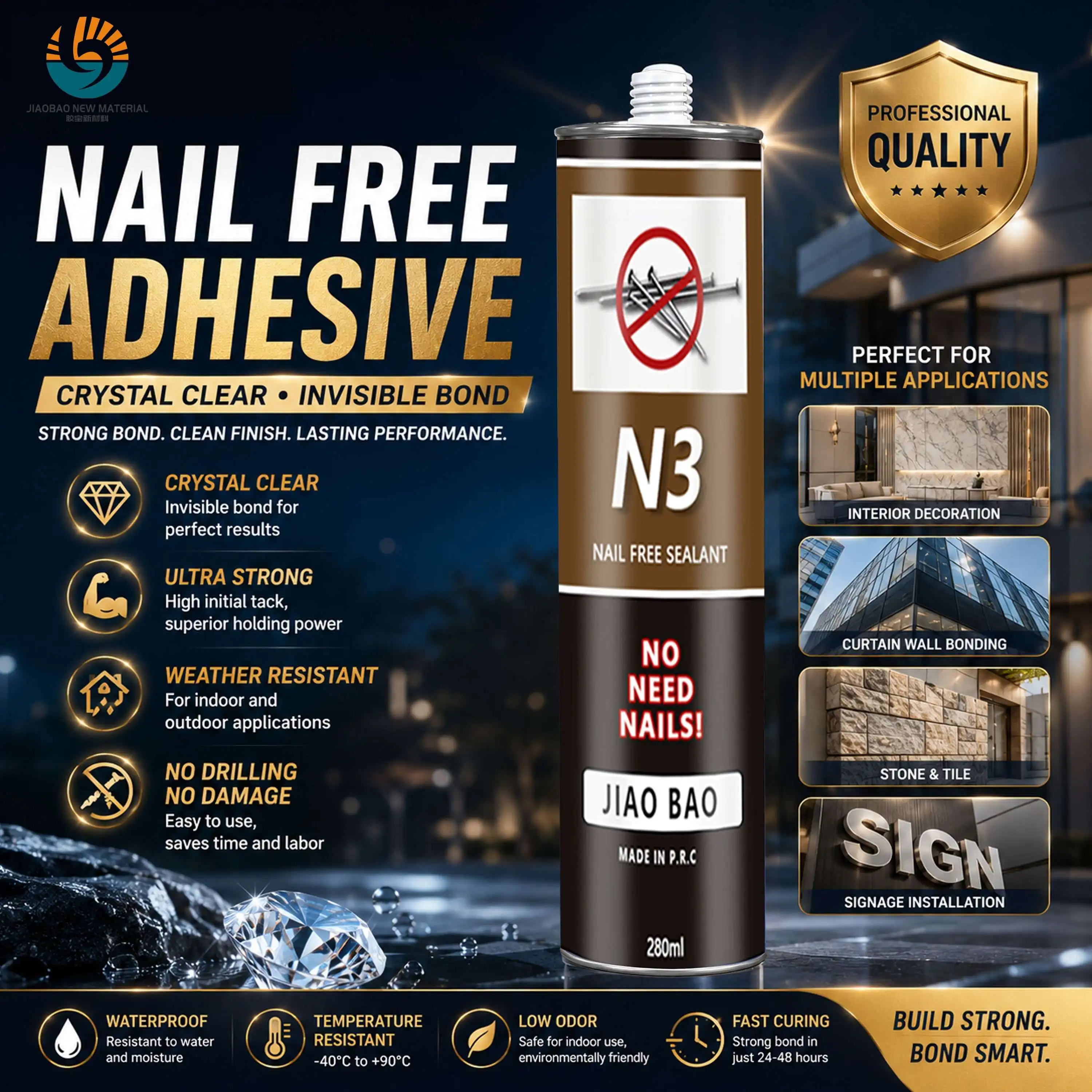
According to the ASTM D1002 lap shear tests standards, good nail free adhesive construction grade should have a shear strength of more than 3.0 MPa after it has dried. If you test structural adhesives, the best ones show that the material they stick together breaks before the glue does. As an example, a regular construction nail puts pressure on one spot, but adhesive spreads that pressure over several centimeters of contact area. This makes it less likely that the substrate will be damaged in one place.
Things inside walls are rough. Bonding agents become less strong over time when the temperature and humidity change or when they are exposed to UV light for a short time. The Jiaobao SV815 formula keeps the bond strong between -40°C and 80°C, so it can be used for cladding inside or outside. The humidity in the air is actually used by the moisture-cure mechanism to finish the cross-linking process. In other words, normal conditions on the job site speed up the curing process instead of slowing it down.
Making sure the surface is ready is the most important thing for a good bond. A surface must be clean, dry, and free of oil, dust, and other small things before it can be used. A steady bead pattern of glue should be used. Then, press down hard on the base to spread the glue and get the most contact area. The surface will dry in about 20 minutes at 23°C and 50% humidity. It will cure at a rate of 2.5 mm per 24 hours in that case. Support should be there for the first 24 hours for loads over 10 kg/m².
Building workers and buying managers always say that construction-grade glue bonding is better than just being strong when they switch to it. This technology is useful for both business and home projects because of these main reasons:
These advantages of nail free adhesive construction grade help finish the job faster, with fewer changes needed, and with a better look. The workers and people who buy from the store will value these qualities in the future.
Inside, it's easy to use regular MS polymer paste on the walls and wood trim. For stone veneer or ceramic cladding on the outside, you need a formula that can easily grab and fill gaps. Ideally, it should be able to cover flaws on the surface up to 9 mm wide. An acid-free, non-corrosive glue is needed to stick mirrors or glass together in public bathrooms so the back of the mirror doesn't get damaged.
The people in charge of buying things should keep three things in mind when they look for big sales. To begin, check to see if the item is approved. Products that follow ASTM C557 and GB/T 27954-2011 have been checked to make sure they can be used with gypsum board and drywall. Second, look at how long it will last and what kind of packaging it comes in.
SV815 from Jiaobao can be stored for 12 months and comes in 300 ml and 600 ml sizes. It comes in both sausage and capsule packs, so different pouring tools can be used on-site. Third, ask for scientific data sheets that show the range of service temperatures, shank strength, and hardness (Shore A).
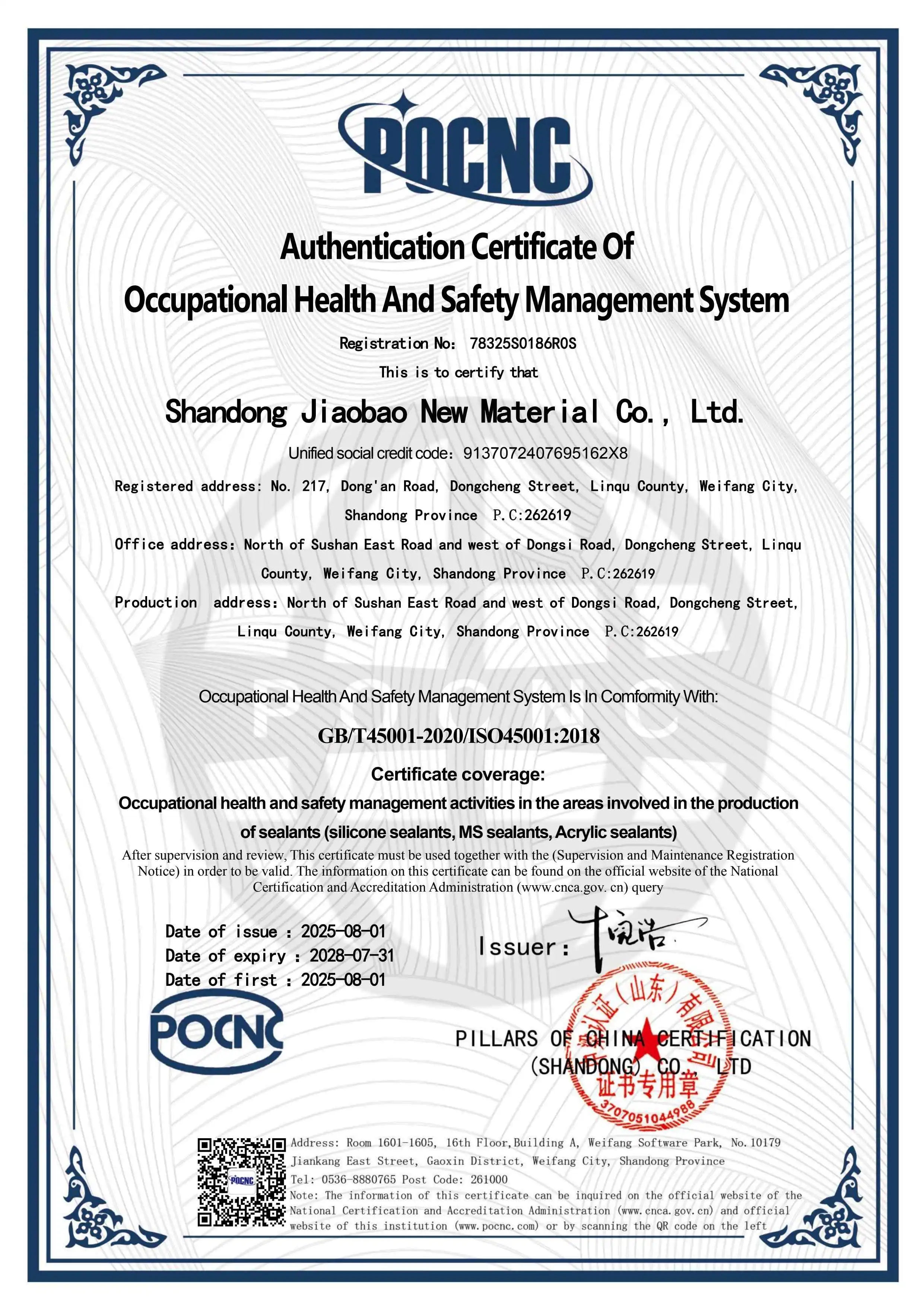
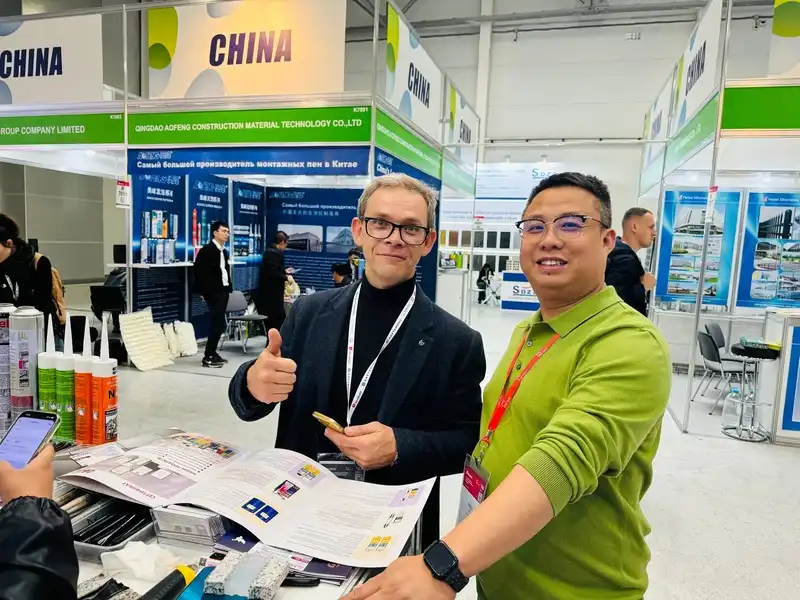
A good supplier for nail free adhesive construction grade should have clear rules for quality control, set production wait times, and offer OEM/ODM support for needs like color or marking. Jiaobao has a one- to two-week production lead time and lets you choose between shipping by land and sea. They've been in business for more than 13 years and have an ISO certificate.
Using construction-grade glue to join long pieces of MDF wall panels and skirting together is a much faster way to fit them together in a business. Five hundred square meters of skirting board were joined by a project team. They said it took 40% less time to install than the screw-and-plug method and that the end product didn't have any obvious fastener spots.
Plain glue doesn't stick well to heavy art supplies like stone veneer and UV marble sheets. Building-grade paints that can fill in gaps can handle uneven substrate wall surfaces and make sure there is even contact coverage. Once it gets hot or cold, the elastomeric link can handle it. A hard mortar joint would break in just one winter.
Adhesive gluing and mechanical fixings are sometimes used together to make things safer when they are under a lot of stress. Fixing floor squeaks with construction-grade glue stops them for good and makes the frame assembly stronger. Floor squeaks are a problem that is noticed after the fact. Together, these two methods work well for the structure and save time and provide a better finish than glue joining alone.
Nail free adhesive construction grade is not a temporary fix; it's a way to bond things together that professionals recommend and that has been shown to work under load. If you need to mount something on the wall that used to require drilling and mechanical fasteners, this can do the job. It can handle a wide range of temperatures and can be used with metal, glass, wood, and concrete.
Picking the right formula for your base, making sure the surfaces are ready, and getting the formula from a good maker are the three steps that make the difference. Distributors who are putting together a full line of wall-bonding products, along with sealants, should carry a lot of these types of products.
For panels under 10 kg/m², high initial grab formulas typically hold without extended bracing. For heavier loads — stone veneer exceeding that threshold — temporary support for 24 hours is recommended while the chemical cure reaches approximately 80% strength.
Per unit, adhesive costs more than mechanical fasteners. However, when you factor in reduced labor time, elimination of drilling equipment, and no post-installation patching, total installed cost is often lower on panel and trim applications.
The cured bond is water-resistant. Application requires a dry surface — moisture between the substrate and uncured adhesive creates a barrier layer. For outdoor applications, full cure must complete before heavy rain exposure, unless a moisture-cure MS polymer grade is specifically selected.
Solvent-based formulas can attack polystyrene and some plastics. For foam insulation boards or sensitive plastic substrates, a water-based or foam-safe hybrid formula must be used. Always check the technical data sheet for substrate compatibility.
Look for ASTM C557 compliance for gypsum wallboard applications and GB/T 27954-2011 for Chinese market standards. ISO-certified manufacturing facilities provide an added layer of quality assurance for large procurement volumes.
Jiaobao has been selling construction-grade glues to builders and wholesalers in China and around the world since 2013. As a checked nail-free adhesive construction grade maker, we offer OEM/ODM production, low factory prices, a lead time of one to two weeks, and a policy that lets you get a full refund or replacement if there are any quality issues during the shelf life. Get in touch to talk about product samples, terms for distributing in a certain area, or bulk pricing. You can email us at dorashen@cnjiaobao.com or visit shandongjiaobao.com to start a conversation.
1. ASTM International. ASTM D1002: Standard Test Method for Apparent Shear Strength of Single-Lap-Joint Adhesively Bonded Metal Specimens. ASTM International, 2019.
2. ASTM International. ASTM C557: Standard Specification for Adhesives for Fastening Gypsum Wallboard to Wood Framing. ASTM International, 2020.
3. Adams, R. D., Comyn, J., & Wake, W. C. Structural Adhesive Joints in Engineering. Chapman & Hall, 1997.
4. Petrie, E. M. Handbook of Adhesives and Sealants. McGraw-Hill, 2007.
5. GB/T 27954-2011: Hybrid Sealant — Classification and Requirements. Standardization Administration of China, 2011.
6. Cognard, P. Handbook of Adhesives and Surface Preparation: Technology, Applications and Manufacturing. Elsevier, 2006.
November 16,2023
Enterprise Name
The sealant has very strong adhesion and performs well even on glass and aluminum. After curing, it remains flexible and shows no cracking. Perfect for our facade projects.
November 16,2023
Enterprise Name
Stable quality across batches. Our customers especially like the smooth application and consistent extrusion. It helps reduce installation time on site.
November 16,2023
Enterprise Name
I used it for bathroom sealing. Excellent waterproof performance and no mold issues so far. It's been holding up very well in humid conditions.
November 16,2023
Enterprise Name
The neutral silicone works well on sensitive materials without corrosion. Very suitable for industrial applications requiring stable performance.