November 16,2023
Enterprise Name
The sealant has very strong adhesion and performs well even on glass and aluminum. After curing, it remains flexible and shows no cracking. Perfect for our facade projects.
Oct 26, 2026
If you work in glass fabrication, aluminum window manufacturing, or architectural glazing, you already know that the sealant holding everything together is not a detail — it is the product. GP silicone sealant for glass and aluminum is a one-component, room-temperature-vulcanizing (RTV) adhesive engineered to bond glass and aluminum substrates with lasting flexibility and weather resistance. This guide walks through what makes a quality glass-aluminum sealant, how to compare options, what to look for when sourcing, and why Jiaobao is a trusted manufacturer worth considering.
When the one-part GP silicone sealant comes in touch with water, it hardens. When it dries at room temperature and comes into contact with humid air, it turns into a rubber-like seal that will never break. This glue isn't meant to hold windows together; it's for sealing out the weather, glazing around the edges, and filling in gaps between metal frames and glass.
This GP silicone sealant from Jiaobao is great for glass and aluminum. It has a tack-free time of 15 minutes, a Shore A hardness of 18, and a fatigue rate of more than 300%. It can stick to glass and aluminum, and the strongest bond it can make is 1.5 MPa. We can use it in -50°C to +150°C, so it is stable no matter what the weather is like. These numbers are in line with what ISO 11600 Class F-20LM says about how well fenestration coats should work.
Glass companies that make insulated glass units (IGUs) or aluminum-framed facades fail because their sealants don't work the same way every time. You can tell that the sealant can stretch with the metal frame's heat expansion if the tension rate is above 300%. Some polyurethane seals don't last as long as this one does after years of use. Not all sealants are the same. A production-grade sealant is different because it stays the same from batch to batch in these areas.
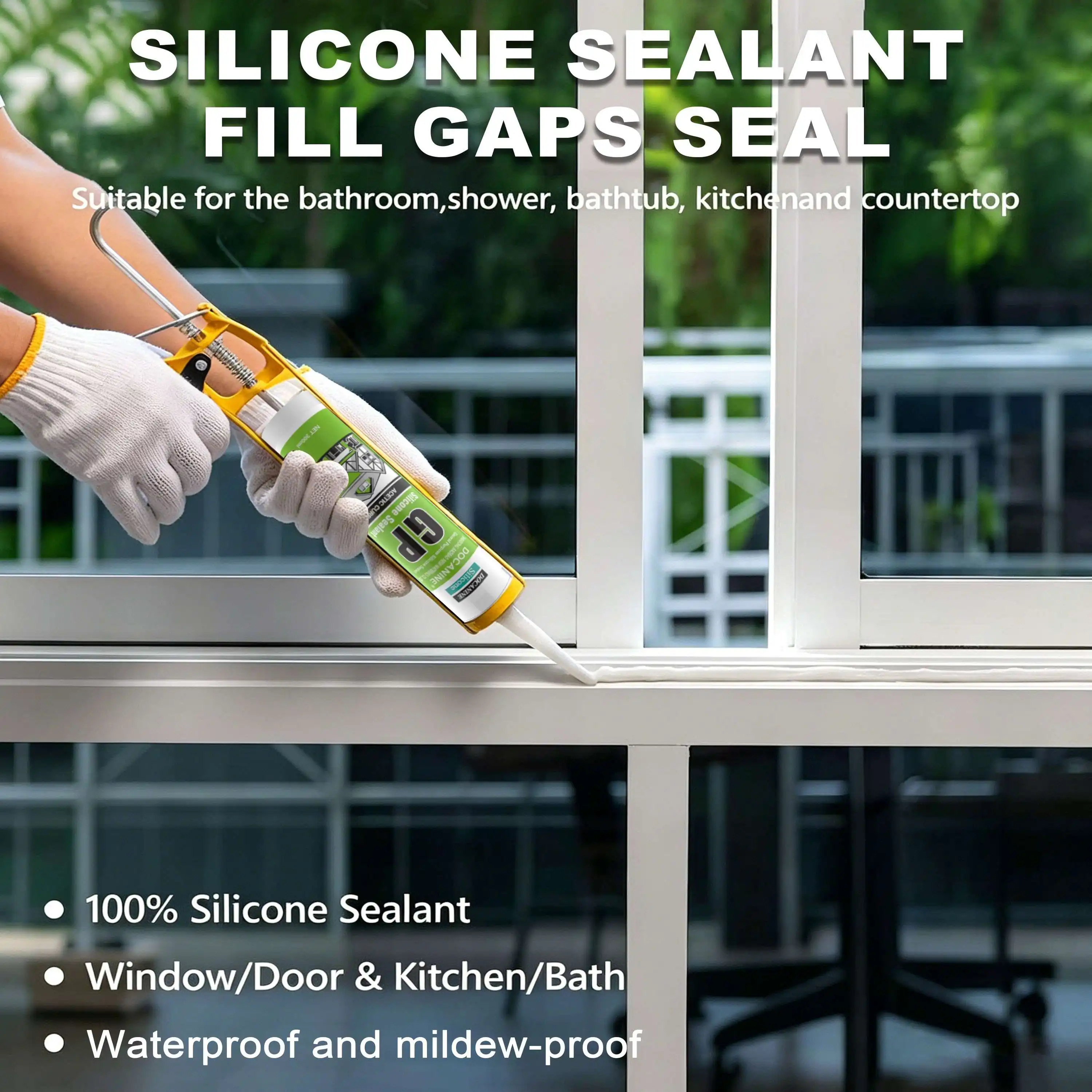
Polyurethane seals stick well at first and can be painted over, but UV light breaks them down over time, making the surface crack and chalk. On the other hand, GP silicone sealant for glass and aluminum stays flexible and in shape even after years of being outside. This long life is a big plus for making metal window parts for the outside.
Instead of acetic acid, alcohol is made when neutral fix silicone cures. This makes it less likely that metals that are easy to rust will happen. Aluminum that has been anodized or powder-coated is the most common finish used in industrial window production. Acetoxy GP silicone sticks to these treatments better and dries faster. There is a better way to keep the surface of aluminum that has a mill finish or is made of copper-based alloys from getting stained.
It's cheap, water-based, and you can paint over acrylic seals. However, acrylic seals usually don't stretch past 100% before breaking, while silicone can stretch over 300%. In parts that move because of changes in temperature, acrylic seals that are stuck to glass start to crack and lose their stickiness after a few months. There is no way that GP rubber can last longer outside than acrylics.
Glass fabricators who want to buy GP silicone sealant for glass and aluminum should go straight to a maker. This is the best way to get a good deal and good technical help. Shanghaijiaobao.com, which is part of Jiaobao, makes 300ml cartridges and 600ml sausage packing and sends them straight to makers. The time it takes to make something is one to two weeks.
You should always ask for the following from a supplier before you make a deal:
This is the Technical Data Sheet (TDS) for GP silicone sealant for glass and aluminum, which backs up the numbers for tensile strength, tack-free time, hardness, and elongation. It also gives sources for the test methods.
It is common to ask for a trial sample in this group. ASTM C794 says that a good test for the adhesion of glass and metal should include a peel test and last for 7–10 days. Not an adhesive way, where the sealant easily peels off the aluminum. It should fail in a cohesive way, where the body of the sealant tears. If the adhesive fails, it means that the surface doesn't work with it. This will cause a lot of field failures.
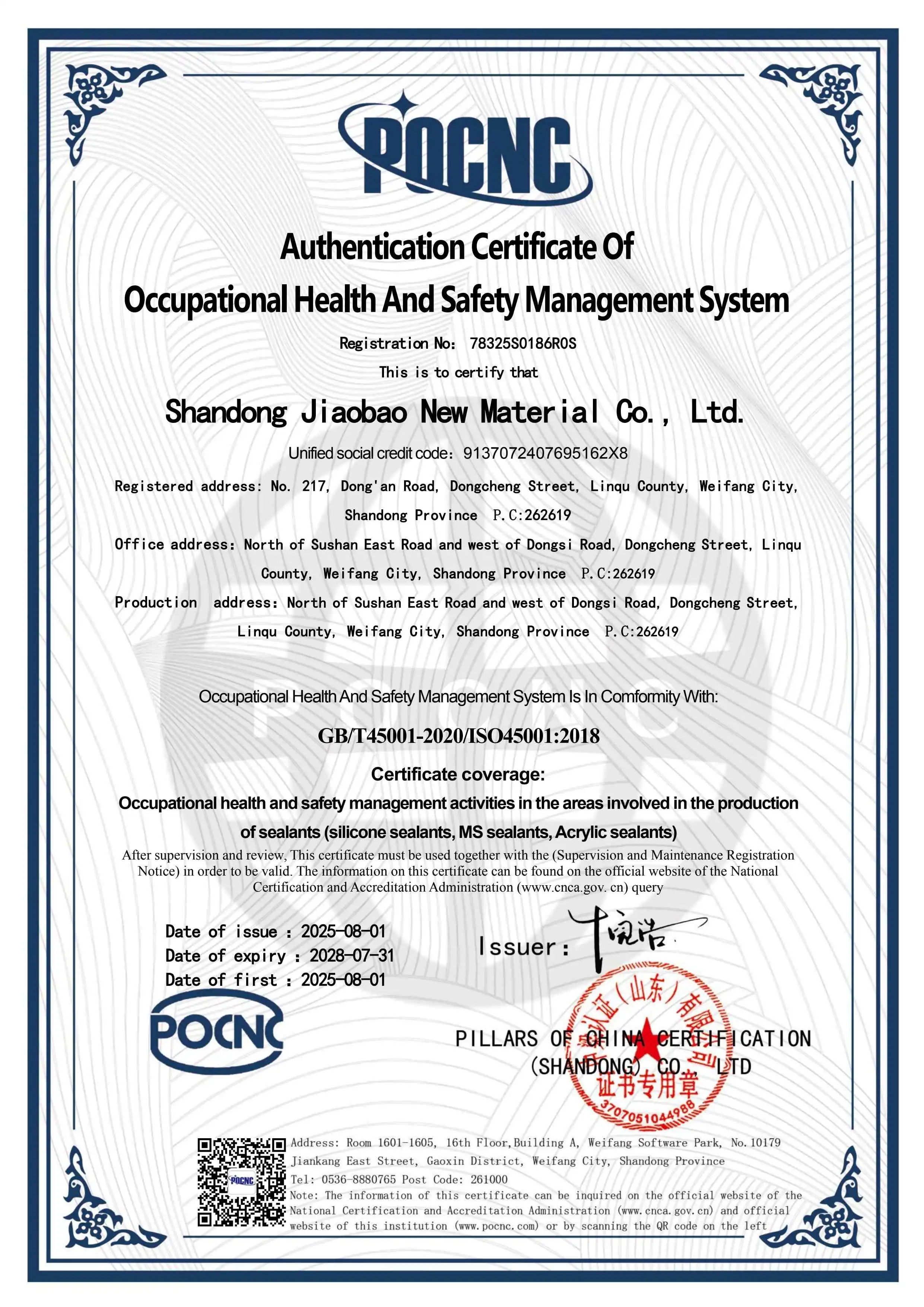
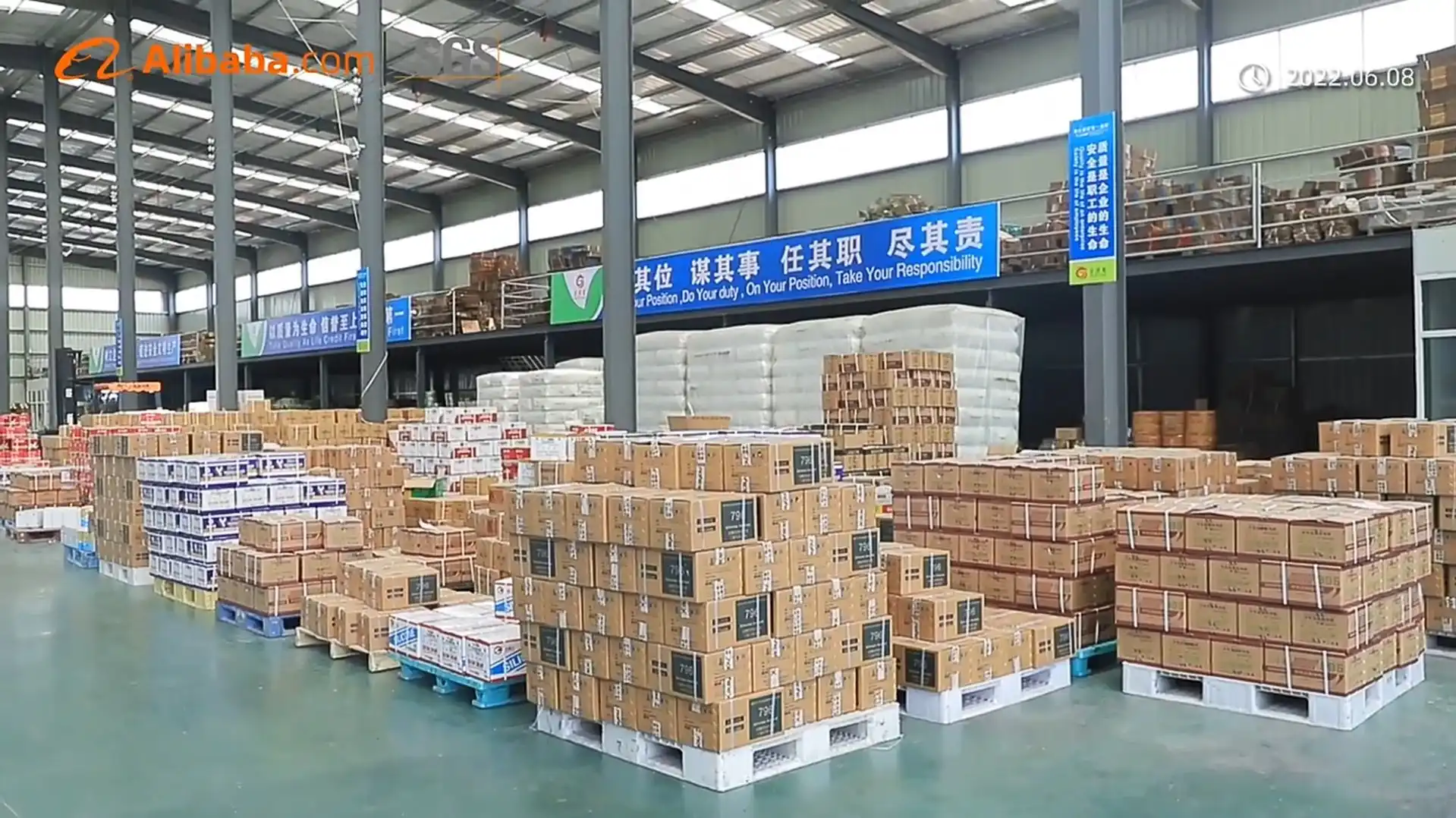
With roots going back to 2013, Jiaobao has been making silicone sealants for over 13 years. People in the US and other places, like the Middle East and Africa, buy neutral cure and acetoxy silicone sealants from this company. It is certified by ISO and CE for how it makes things, and a stable quality control system makes sure that the end result is the same every time.
| Parameter | Value |
|---|---|
| Composition | One-part, RTV, Acetoxy Silicone |
| Tack-Free Time | 15 minutes |
| Shore A Hardness | 18 |
| Max Bond Strength | 1.5 MPa |
| Tensile Rate | >300% |
| Service Temperature | -50°C to +150°C |
| Available Colors | White, Black, Grey, Custom |
| Package Sizes | 300ml, 600ml |
| Packaging Types | Cartridges & Sausage |
| Shelf Life | 12 months |
Jiaobao is an OEM or ODM plant that lets customers change the color, packing, viscosity, and tack-free time to fit their own lines. Glass workers who use automated dispensing equipment need to make sure that the viscosity is always the same. This is because the viscosity directly affects the shape of the beads and the cycle time. The expert team at Jiaobao can work with customers to make sure that the recipe factors work well together before production starts.
Most of the time, a seal of GP silicone sealant for glass and aluminum doesn't work because the ground is dirty. Isopropyl alcohol (IPA) should be used with the two-cloth method. First, wipe the area with a cloth that has been wet with the liquid. After that, dry it right away with a second clean cloth before the solvent evaporates. This cleans metal profiles by getting rid of oil, dust, and cutting fluid that is still on them. If you skip this step, you can figure out why most glue fails in production settings.
You should use the sealant when the temperature is between 5°C and 40°C and the relative humidity is above 40%. Since the repair process starts with water, places that are very dry or cold make it take a lot longer. If the water is still or the ground is slippery, don't put it on top of that. After putting on the cream, don't move the joint for at least 24 hours so that the skin has time to fully grow.
Three mistakes that happen a lot on glasslines:
If you take care of these three things, the number of seal failures in a production setting will go down.
It is a technical choice that has real effects on production which silicone sealant to use for glass and aluminum. If the sealer breaks in the field, the item needs to be sent back, which costs money and makes the customer unhappy. It is easy to see what is needed: strong binding to two surfaces, clarity after curing, resistance to heat, and even distribution within the group.
Jiaobao's GP silicone sealant for glass and aluminum can meet all of these needs and has a history of good manufacturing and performance data. No matter if you are looking for a new supplier or want to do more work each month, the process starts with the right sample test and the right technical conversation.
It can't, though.
A little should be put on the glass. Wait 24 hours and then try to peel it off. When the sealing is easy to peel off and doesn't tear, this is called stickiness failure. This means the silicone isn't very good or has oil on it. Unite failure is what you get when a good product breaks inside itself. Also, make sure that it shrinks more than 5% after it dries. In this case, there are too many solvents in the mix.
GP silicone sealant is sometimes used as an extra seal with IGU setups. Make sure it works with the butyl primary seal and the molecular sieve desiccant before you put it into production. You can get an interoperability statement from your provider. If you ask, Jiaobao can give you test results on how well the material works.
There is a smell like vinegar that comes out of acetoxy silicone when it cures. Let enough air flow through the area where you're working. For large-scale jobs in small areas, workers should follow the SDS instructions from the maker and wear the right respiratory protection.
Anyone in the world who works with metal or glass can ask Jiaobao directly about their GP silicone sealant for glass and aluminum. Jiaobao is a supplier of GP silicone sealant for glass and aluminum that was made for getting as much as possible. They've been making things for more than 13 years, have ISO and CE certifications, a lead time of one to two weeks, and offer full OEM customization support. To get examples, technical papers, or a price on a big order, email us at dorashen@cnjiaobao.com or go to shandongjiaobao.com right now.
1. ASTM International. ASTM C920: Standard Specification for Elastomeric Joint Sealants. ASTM International, 2022.
2. International Organization for Standardization. ISO 11600: Building Construction — Jointing Products — Classification and Requirements for Sealants. ISO, 2022.
3. Wolf, A.T. Durability of Building Sealants. RILEM Publications, 1999.
4. Klosowski, J.M., & Wolf, A.T. Sealants in Construction (2nd ed.). CRC Press, 2015.
5. American Architectural Manufacturers Association. AAMA 800: Voluntary Specifications and Test Methods for Sealants. AAMA, 2020.
6. Construction Specifier Magazine. "Selecting the Right Sealant for Glazing Applications." The Construction Specifications Institute, 2021.
November 16,2023
Enterprise Name
The sealant has very strong adhesion and performs well even on glass and aluminum. After curing, it remains flexible and shows no cracking. Perfect for our facade projects.
November 16,2023
Enterprise Name
Stable quality across batches. Our customers especially like the smooth application and consistent extrusion. It helps reduce installation time on site.
November 16,2023
Enterprise Name
I used it for bathroom sealing. Excellent waterproof performance and no mold issues so far. It's been holding up very well in humid conditions.
November 16,2023
Enterprise Name
The neutral silicone works well on sensitive materials without corrosion. Very suitable for industrial applications requiring stable performance.