November 16,2023
Enterprise Name
The sealant has very strong adhesion and performs well even on glass and aluminum. After curing, it remains flexible and shows no cracking. Perfect for our facade projects.
Oct 30, 2026
Fireproof neutral silicone sealant can replace fire rated caulk only in specific cases. The swap works when the silicone has fire test data for the same joint, substrate, movement range, and installation method that the project specifies. A fire rating belongs to a complete tested assembly, not to the sealant alone. Steel-building contractors in the United States ask me this question during submittals, because the design engineer and the fire authority review the paperwork before they approve any substitution. Below, I explain how to judge the swap, which documents to request, and how to protect steel and metal panels from corrosion.
To make a fireproof neutral silicone sealant, you need to mix silicone elastomer with water and let it dry. When the air is wet, it changes into a rubber that can be bent and sticks to the joint. Acetoxy silicones, also known as acid-cure silicones, give off acetic acid when they harden. This acid is like vinegar and can damage some metals.
They are mostly used for steel framing, metal roof panels, and aluminum because they don't give off a gas. This is important for people who build factories because corrosion at a joint can go unnoticed for years if the siding is removed. You should always do a small test on the finished panel because neutral fix doesn't always work with all coatings.
It's not really "fireproof"; no sealant can last forever in a fire. Tests show how well something works in building rules. ASTM E814 talks about firestop devices that keep people from getting in. Fire safety standards for building joints, such as ASTM E1966 and UL 2079, keep people from setting fires. Buildings have to meet certain fire safety guidelines as part of ASTM E119.
For a certain setting, each test gets an hourly score. It doesn't mean that a sealant is good for joints just because it can handle heat or put out a small fire on its own. When a data sheet says something is "fire resistant," I want to know three things: what code, what lab, and what assembly does it cover?
"Fire-rated caulk" is a broad term. Acrylic, rubber, intumescent, silicone, or a mix of these can be used to make things. A lot of them are listed for certain types of firestops. When it gets hot, it gets bigger, so it can fill in the spaces left by plastic lines that are on fire. Rubber that is neutral acts in a different way. It doesn't stretch, get damaged by UV light or weather, or mind moving, so it's good for parts that go outside or are made of glass.
But chemistry doesn't make the grade by itself. What makes a difference is the width of the joint, how deep the glue goes, the backing material, the base, and how long it is exposed. Silicone can't be used instead of a firestop product, even if it's the same color or works at the same temperature. The test results must match the installation.
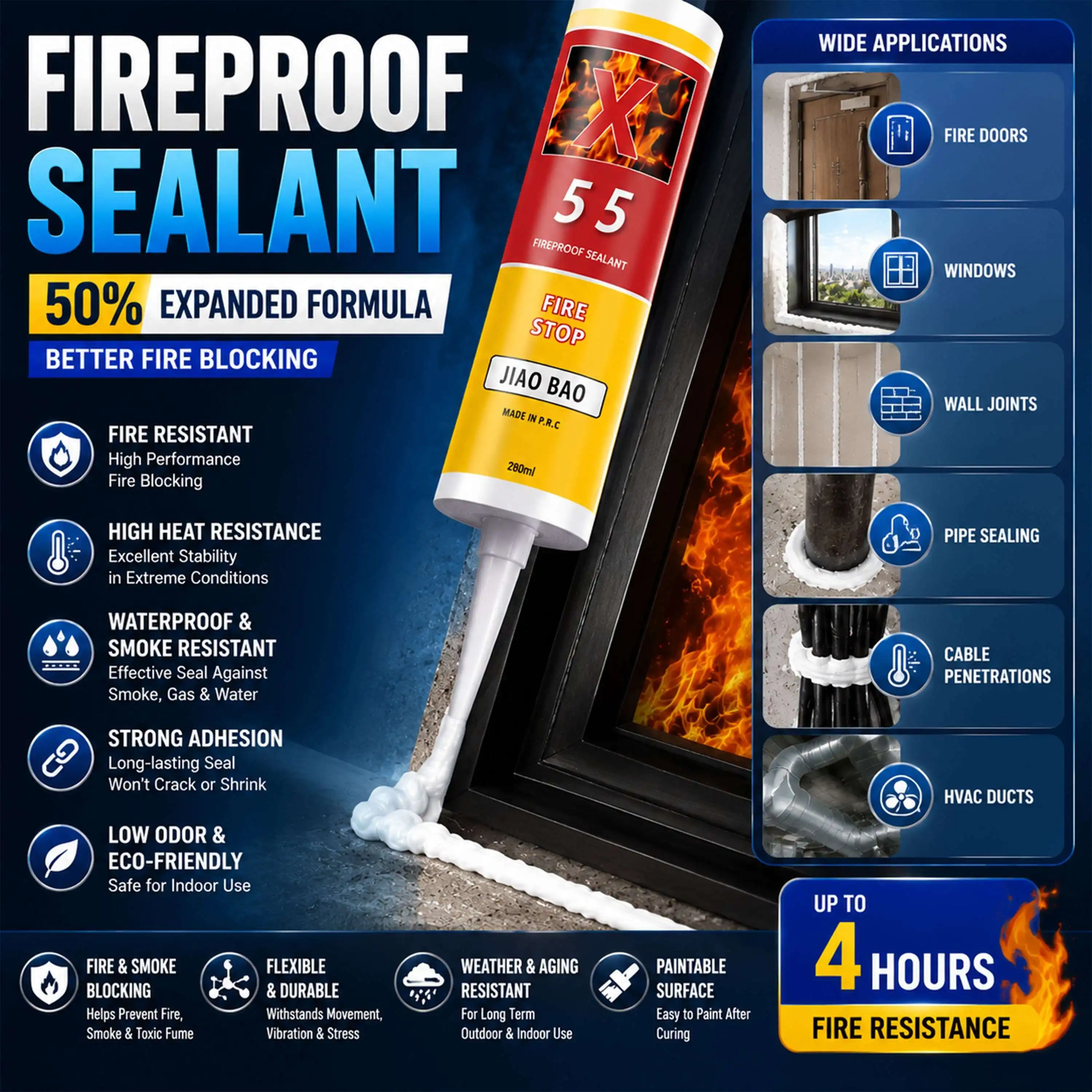
You can get a new joint if the tested grade, smoke performance, movement capability, and substrate of the silicone are all the same as the old one. In a steel-frame building, that could be the edge of a door or window. In a different building, it could be a wall joint where the plans call for a barrier that can move as the temperature changes.
Ask for the report that has the standard, the length of the fire, the size of the joint that was tested, the depth of the sealant, and the material that was used for the backing. For fireproof neutral silicone sealant, then take a look at each of those details by itself and see how they fit with the project details. The rubber is fine as long as everything else fits. There is something wrong with the test if one thing is different, like a wider joint or a different base.
I think you should keep the specified product when there isn't enough documentation, when an assembly lists a manufacturer, or when the use doesn't fit the test. In this case, the penetration description lists the exact firestop materials that are used around pipes, ducts, and wire trays.
This can lead to a failed inspection, which can cost a lot of money to fix after the siding and insulation are up. Something that works great in an outside weather joint might not work at all inside a rated wall. There's no scientific proof that two items are the same, and inspectors look at the list, not the brochure.
You shouldn't make a buy order until it's okay to do so. Send the project information, the fire test report, and the data sheet to the project manager, the fire safety consultant, or the design engineer. The International Building Code, Part 715, says that rated parts must have approved joint systems that keep fires out. It says that either ASTM E1966 or UL 2079 should be used for tests.
The reviewers can then say either that the product isn't good enough or that it's about the same as other products on the market. I believe you should file the approval letter with the batch number so that the project records can be looked at later. It takes a few days to do this, but it will save you weeks of work.
For the fire test report, technical data sheet, safety data sheet, installation instructions, and any conformity certificates, you should ask for them. The test report should have the normal joint, the lab joint, the tested joint, the sealant level, the backing, and the grade. The data sheet should have information about the type of fix, the skin time, the application and service temperature, the ability to stick to things and move them around, the need for a base, the shelf life, and how to store the product.
Type, grade, class, and use of rubber joint seals are grouped by ASTM C920. This can help you understand claims about how they move. "ASTM certified" isn't very helpful. Find out what method it is and how it can be used. Make sure that the name of the person who made the report matches the name of the source you used. For steel work, find out how painted, galvanized, and treated metals can be used together.
We measured our one-part RTV silicone sealant at 25℃ and 50% relative humidity.
| Property | Specification |
|---|---|
| Type / Form | One-part RTV silicone sealant, paste |
| Colors | White, black, gray, or custom |
| Density (GB 13477) | 1.40 ± 0.05 g/cm³ |
| Non-volatile components (GB 2793) | 99.5% |
| Flow/sagging (GB 13477) | 0 mm |
| Surface drying time (GB 13477) | 45–60 minutes |
| Curing speed | 3 mm per 24 hours |
| Temperature range | -50℃ to +150℃ |
| Movement capability | ±20% to ±50% |
| Shelf life | 12 months |
| Volume / packaging | 300 ml, 600 ml; sausage and cartridge |
This item is meant to help keep out water, smoke, and flames. Fireproof neutral silicone sealant has a Class 1 W grade for water protection, which you can see on its data sheet. They talk about the glue. Please ask for the paperwork that comes with your assembly. These are not the same as a fire test report for your joint.
Every kind of sealer has its place. It is possible to paint acrylic firestop goods, but they don't move or hold up against weather as well as other materials. To make faces, windows, and wall changes out of neutral silicone makes them easier to move and stronger against UV light. To cure acetoxy silicone, you need to use acetic acid. Acids on the surface, like those in new concrete, can be hurt by this acid.
If you want to know more about UV exposure, curing, and fire testing of polyurethane, read this. It sticks together well and doesn't get stiff. You shouldn't pick based on science or unit price, but on how well they tested for things like fire, smoke, movement, weathering, interaction with substrates, and packing.
Bad work can ruin a good test score, so getting ready is the most important thing. Look at the approved fire detail, backing material, substrate, and joint sizes on the drawings and make sure they match up. Get rid of any loose dirt, oil, water, dust, or old sealant. Wipe off any oil or grease from the metal and let it dry all the way through.
A small adhesion or peel test should be done on a surface that is porous, like concrete, or that is protected. Then, follow the primer's guidelines. Cover the sealer with the backing material that was given. Make sure it is set down at the right level. Cover the edges to get a smooth finish.
The tip should be cut to fit the joint, and there should be no breaks or air in the bead. Put the sealant inside the joint instead of on top of it. After that, rub it into the skin so that it covers the whole surface. At 25°C and 50% RH, it takes 45–60 minutes for the surface of our sealant to dry. It hardens about 3 mm more every 24 hours. That speed is slowed down by dry, cold weather, and thick joints. Keep the joint clean and don't move it while it heals. Don't look at it until the whole thing is dry.
Once the glue is dry, look for depth, uniformity, holes, and flaws on the surface. Note down the batch number, date, and installer for the project file. A lot of the time, people do these things wrong:
All of them can cause you to fail the test and have to do more work. Not just the price of each cartridge, but also how much the whole job costs, like how long it takes to get approvals and how much the work costs.
Instead of starting with the name of the product, say what it's used for. It's possible that fire doors, windows, curtain walls, expansion joints, HVAC penetrations, and concrete joints will all need different tested systems.Fireproof neutral silicone sealant is applied in these scenarios, so then, make sure the sealing is right for the UV light, salt water, chemicals, temperature, humidity, and freeze-thaw cycles that it will handle. Our sealant is meant to keep windows and doors shut between -50°F and +150°F. First, I put steel roof and wall joints on real panels to see how they look. For US projects as well, check the VOC rules in your state.
A good company knows about fire-rated and façade joints, has a steady source of raw materials, and can keep track of batches. They can also test their products. Test results, suggested joint sizes, backing needs, curing data, compatibility data, samples, MOQ, wait time, and packaging are some of the things you could ask for. Check that each certificate has the right name of the product and the official name of the company that made it.
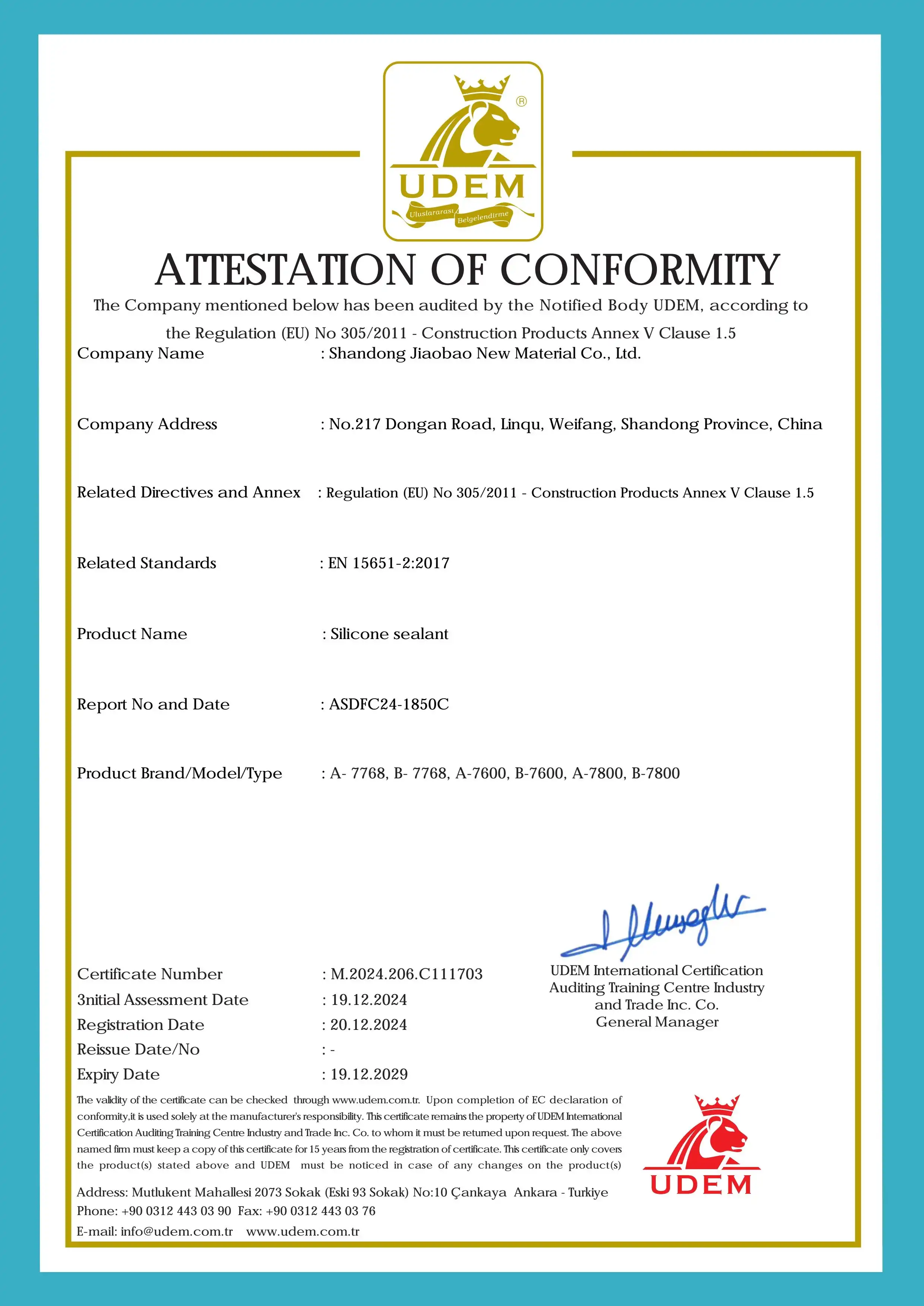
Jiaobao has been making rubber covers since 2013 and has ISO and CE approval. We can ship things by land or sea in one to two weeks, and we work with OEM/ODM customers to make things in any color they want. We will give you a refund or a new item if there is a problem with the quality while it is still inside the package.
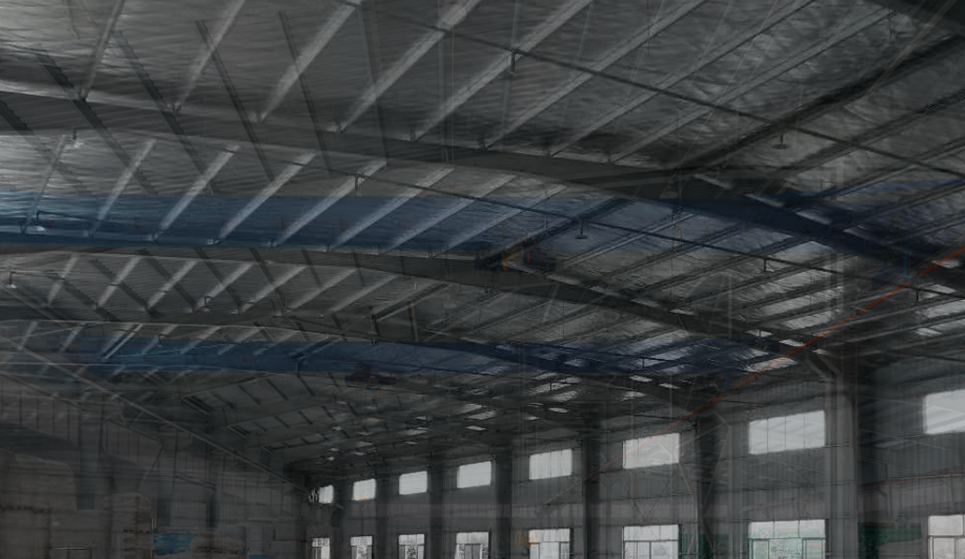
A factory building needs a lot of sealant, and checks can't happen if the supply gets clogged. The 300 ml cartridges and 600 ml sausages that we sell have a shelf life of 12 months. Instead of stockpiling early, I think you should plan your deliveries around when you need them for installation. First, order a test batch. Then, check to see if the steel and roof panels stick together and work with each other. Check the bulk quantity once you get the approval letter. To make sure samples are good, you should begin a long time before the installation date.
If test results fit the project's joint, substrate, movement, and fire length, fireproof neutral silicone sealant can be used in place of fire-rated caulk. It is more important to follow standards like ASTM E1966, UL 2079, and ASTM E814 than to say something is "fireproof." Acetic acid, which is found in acetoxy silicones, can damage steel and metal.
This acid isn't present in a neutral fix, but the bonding must first be checked on a real finish. Before you buy, you should ask the engineer or fire manager for permission. A well-thought-out joint planning, the right depth, and recorded batch data all help to protect the test result. A clear document request also makes sure that the provider choice is based on facts.
Fire safety comes from how it's made and a test report that backs it up. Find out which joint the report covers and what standard it covers.
The report has to match your grade, joint, substrate, movement, and writing style. The expert has to agree to the change in writing.
This method is often used for metals because it doesn't use acetic acid. Still, check to see how well it sticks to the paint or panel finish.
Please note that our cartridges and sausages come in 300 ml and 600 ml sizes and can be white, black, gray, or a unique color. They are good for 12 months.
Are you going to build a steel or industrial structure? You can email Jiaobao at dorashen@cnjiaobao.com with the type of joint, the substrate, the fire time, and the annual amount. Fireproof neutral silicone sealant has been sold by us since 2013. Lead times are one to two weeks, we offer trials, and if there are any quality problems during the shelf life, you can get a return or a new one. Go to shandongjiaobao.com to find out more.

1. International Code Council, International Building Code, 2021
2. ASTM International, ASTM E1966 Standard Test Method for Fire-Resistive Joint Systems, 2015
3. UL Standards, UL 2079 Tests for Fire Resistance of Building Joint Systems, 2004
4. ASTM International, ASTM E814 Standard Test Method for Fire Tests of Penetration Firestop Systems, 2017
5. ASTM International, ASTM C920 Standard Specification for Elastomeric Joint Sealants, 2018
6. ASTM International, ASTM E119 Standard Test Methods for Fire Tests of Building Construction and Materials, 2020
November 16,2023
Enterprise Name
The sealant has very strong adhesion and performs well even on glass and aluminum. After curing, it remains flexible and shows no cracking. Perfect for our facade projects.
November 16,2023
Enterprise Name
Stable quality across batches. Our customers especially like the smooth application and consistent extrusion. It helps reduce installation time on site.
November 16,2023
Enterprise Name
I used it for bathroom sealing. Excellent waterproof performance and no mold issues so far. It's been holding up very well in humid conditions.
November 16,2023
Enterprise Name
The neutral silicone works well on sensitive materials without corrosion. Very suitable for industrial applications requiring stable performance.