November 16,2023
Enterprise Name
The sealant has very strong adhesion and performs well even on glass and aluminum. After curing, it remains flexible and shows no cracking. Perfect for our facade projects.
Oct 27, 2026
Selecting the right fire rated silicone sealant for joints is one of the most consequential decisions a firestop contractor can make. When a joint seal fails during a fire event, flames and toxic gases travel between compartments within minutes. Jiaobao's one-part acidic RTV silicone sealant is engineered for exactly this pressure: a density of 1.40 g/cm³, 99.5% non-volatile components, zero sag on vertical joints, and a 12-month shelf life. Available in 300 ml and 600 ml cartridge or sausage packaging, it delivers measurable, testable performance for construction joint sealing in commercial and industrial buildings.
A fire rated silicone sealant for joints does more than just fill in gaps. It keeps the whole wall or floor's fire resistance high by stopping flames, smoke, and dangerous gasses from moving through straight lines. As per ASTM E1966 a firestop joint system must be checked as a whole. In other words, the grade is based on the sealer, the backing material, and the ground all together. The rated assembly doesn't work if you choose the wrong item.
From -50 °C to +150 °C, silicone can still be used without getting soft or breaking. It can recover its shape more than 80% of the way, which means it doesn't tear when heated and then cooled again and again. Organic-based intumescent acrylics are cheap, but they break quickly when they come in touch with water and UV light. Because of this, they can't be used for expansion joints or joints that move a lot.
When a fire inspector checks an area, a sealant that doesn't have a recognized third-party test certificate, such as an EN 1366-4 rating or a UL Listed system under UL 2079, won't pass. Firestop contractors say that commercial projects have to pay a lot to fix issues that were not inspected properly on joint systems. That chance is gone if you choose a product right away that comes with a full test record.
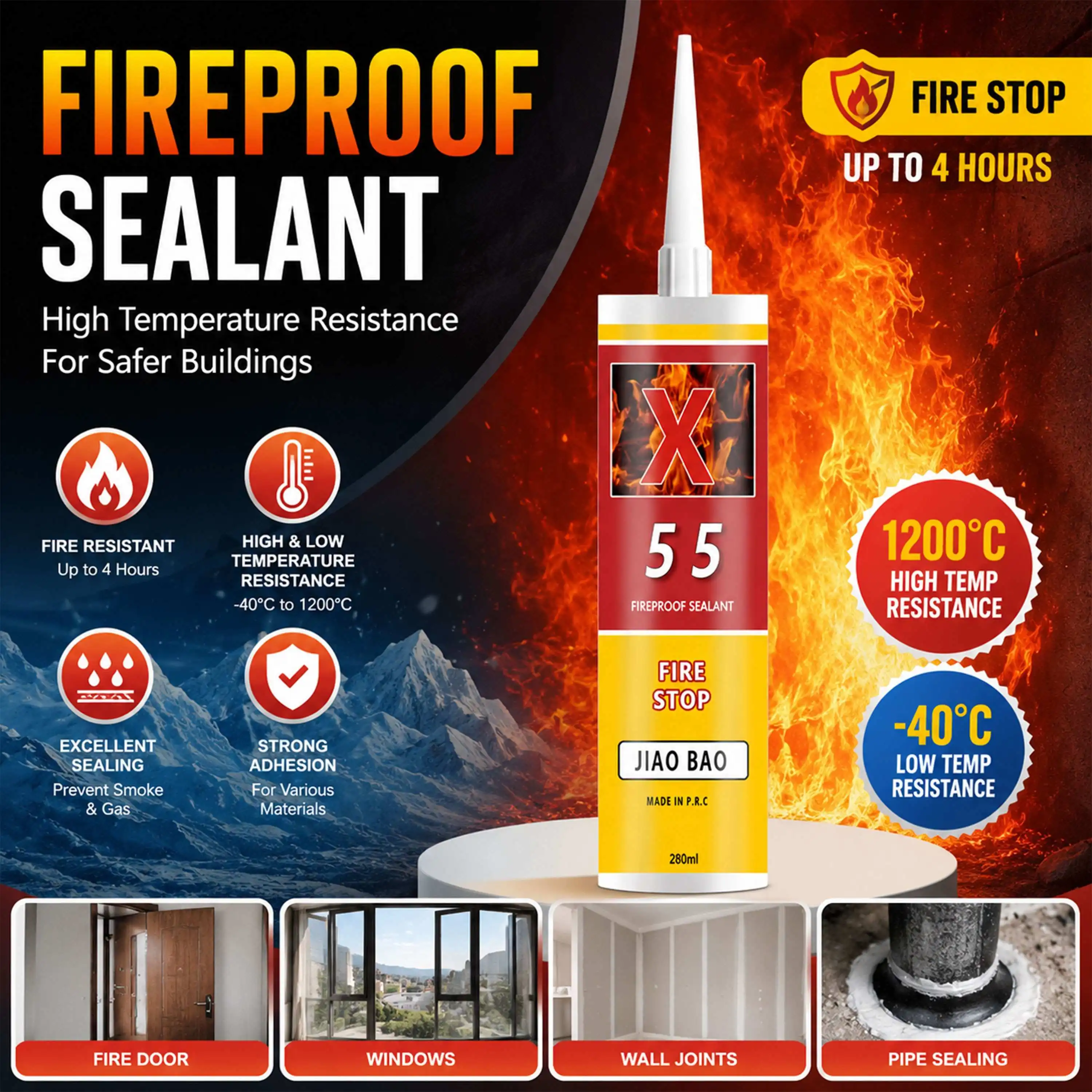
Before placing a big order, technical buyers should check the specs for fire rated silicone sealant for joints on the info sheet:
The claims in this list of numbers are not ads. The tests can be done again in a normal lab, and the numbers on the certificate should match exactly.
When most decisions are made about global procurement, two testing frameworks are being used. ASTM E1966 is the standard in North America for fire-resistant joint systems. It checks the system's strength and insulation as it moves back and forth. EN 1366-4 tells us how to send things to Europe and many Asian countries. Most countries in the world will accept products that have been rated by both systems. The original test result from a reputable third-party lab should always be asked for instead of a summary sheet from the maker.
The rating for fire resistance of a 1-hour, 2-hour, or 3-hour unit is the same as the rating for the floor or wall next to it. A firestop caulk that can stand up to two hours of fire in a wall must be part of a two-hour joint system that has been tested. Putting a system that has been tested for one hour into a wall that has been tested for two hours is against the rules. It doesn't matter how good the chemical means for closing is.
Acrylic firestop seals are water-based, cheap, don't catch fire, and can be painted. This makes them a good choice for static parts inside of walls. Published fire tests show that when they get wet, they soak up water and lose up to 30% of their fire-retardant properties. These joints also break when they move more than ±12.5%, so they are not a good choice for high-rise facades where the temperature changes all the time.
Polyurethane plugs stick well and don't wear down quickly, but they break down above 120 °C and release isocyanate combustion products during a fire, which makes the area even more dangerous for people inside. Silicone that can withstand fire mostly turns into harmless silica ash when it burns. This is why it is still the best material for places that need to be safe, like data centers and hospitals.
Jiaobao's fire rated silicone sealant for joints is a great choice because it stands up well to fire and is easy to work with. The caulking gun can use it, and it comes in both sausage and cartridge packs. Even without a base, it can stick to concrete, brick, glass, and shiny metal. It doesn't need to be mixed. With white, black, gray, and custom colors, you can match the seal to the finish of your building without having to paint over it.
Wipe the joint sides down with a dry cloth or liquid to get rid of dust, oil, and other small things. If there is pollution at the bond line, the bond is not as strong as it was tested to be. If the surface is porous, like aerated concrete, a silicone-compatible primer makes the bond much stronger. If the glue isn't fire-rated, don't put the sealer over it; take it all off before filling.
Standard polyethylene backer rod doesn't pass the fire test requirements for fire rated silicone sealant for joints systems, it has been found. It says on the test certificate that the backing should be made of ceramic fiber or high-density mineral wool (at least 100 kg/m³). It controls the joint depth, makes sure the shape of the sealant is right, and helps with the shielding part of the fire rating. The whole tested structure doesn't work if you use the wrong backing.
To make a seal that will last, do these things first:
There shouldn't be any holes or bubbles in the seal after these steps are done. It should be smooth and fully connected on both sides. The flaws that are found should be cut out and put back on instead of being patched on top.
Find out what the project plans call for in terms of fire protection. This is the first thing that needs to be done. There are limits on the product's joint width, depth, and movement on the test certificate. These should match what you find on the job site. A product that was tested for a 25 mm joint width can't be used for a 50 mm joint width without a new test record. Check this out before you buy, not after the fact.
Before placing a test order with a supplier of fire rated silicone sealant for joints, make sure they have the following documentation:
A professional reviewer can look over these papers to make sure that the product meets the standards before it is sent to the job site.
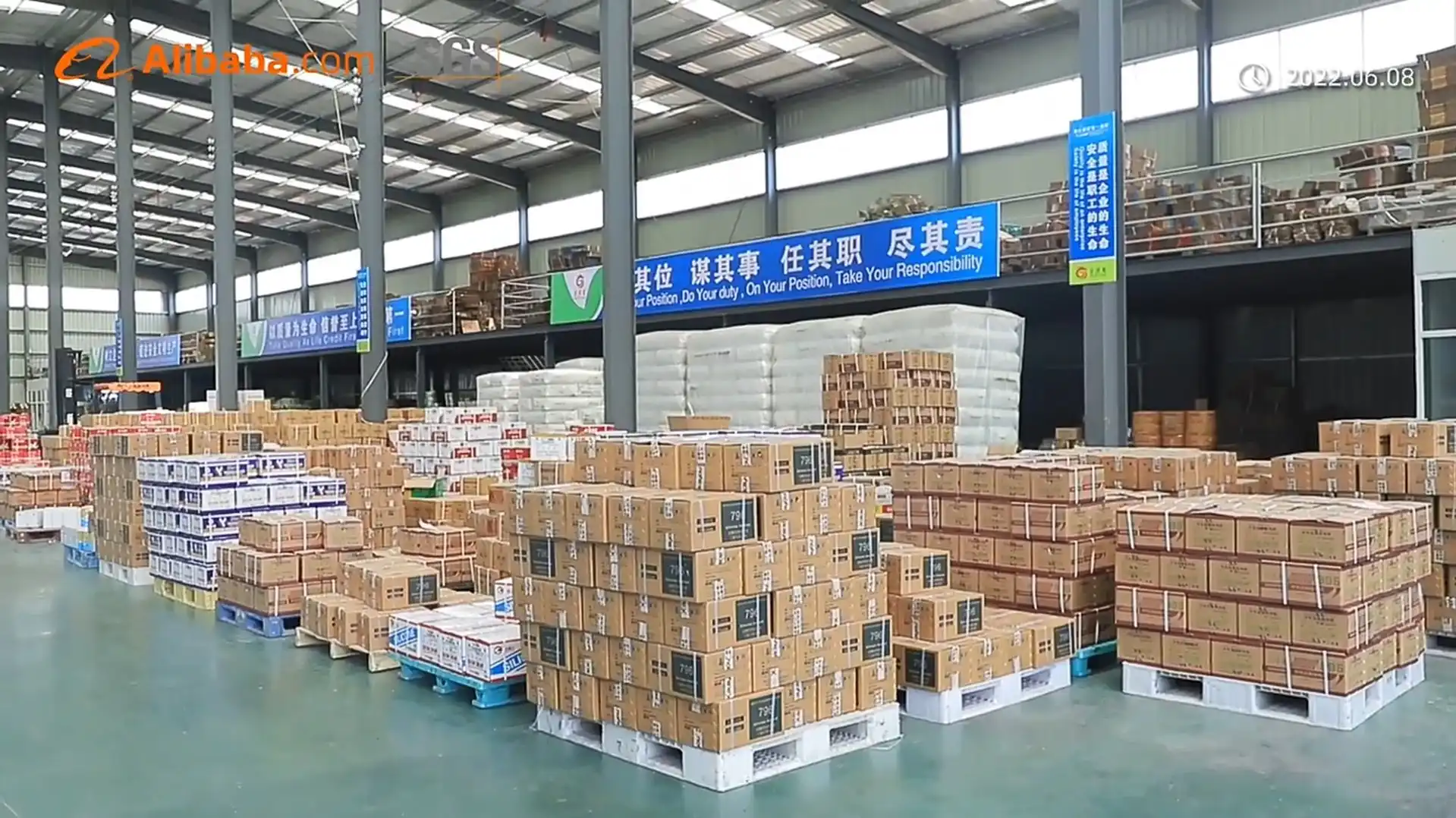
Price per cartridge isn't always the best way to figure out how much something costs. There is a big difference between the price of a glue that doesn't pass inspection and one that does. It takes one to two weeks to make Jiaobao's product, and you can choose between 300 ml or 600 ml. This lets you plan ahead and get exactly what you need, which saves money on waste and storing. Builders who buy a lot of the same thing every year can get OEM and bulk discounts.
To choose the best fire rated silicone sealant for joints, you should look at how well it performed in tests and how well it will work on the project. You should also make sure that the seller has real certifications to back up the product. That's what Jiaobao's one-part acidic RTV silicone does. It has a measured density and non-volatile content, a zero-sag uniformity, a shelf life of 12 months, and different colors and types of packaging. The product will work well as fire protection in either a business high-rise facade joint or an industrial growth joint. It can be tested and will pass inspection.
That's how long it takes for the surface to stop sticking at 25 °C and 50% relative humidity. Every 24 hours, the full depth cures about 3 mm. If everything goes as planned, a 10 mm deep joint is fully healed in three to four days. In the same way, curing takes longer when the temperature or humidity is lower.
Yes. Because this fire rated silicone sealant for joints is made of 99.5% non-volatile ingredients and a silicone-based science, the seal that has hardened is waterproof and won't grow germs. This means it can be used for building parts that need to be sealed against water and fire.
We need mineral wool that is very dense, at least 100 kg/m³. For fire safety shielding, regular plastic backer rod doesn't work. Follow the system's tested specs at all times.
If the surface is smooth and doesn't have pores, like metal, glass, and polished tile, you don't need a primer. A silicone primer that works with paint makes it stick better to porous surfaces like aerated concrete or brickwork that soaks up paint.
The accepted construction plan shows how much the joint can be spread out. Before you say that the product is for joints wider than 25 mm, make sure you know the exact joint sizes by reading the test report.
Jiaobao has been manufacturing silicone sealants since 2013, offering fire rated silicone sealant for joints to contractors and wholesalers in both domestic and international markets. We are a reputable manufacturer of fire rated silicone sealant for joints, offering ISO-certified quality, a one- to two-week lead time, OEM/ODM choices, and prompt customer service after the sale. Get in touch with our technical team right away to get a quote or a sample of a product that fits your needs. You can go to shandongjiaobao.com or email us at dorashen@cnjiaobao.com.

1. ASTM International. ASTM E1966: Standard Test Method for Fire-Resistive Joint Systems. ASTM International, 2022.
2. Underwriters Laboratories. UL 2079: Tests for Fire Resistance of Building Joint Systems. UL Standards, 2019.
3. British Standards Institution. BS EN 1366-4: Fire Resistance Tests for Service Installations — Linear Joint Seals. BSI, 2021.
4. National Fire Protection Association. NFPA 101: Life Safety Code. NFPA, 2021.
5. International Code Council. International Building Code (IBC) Chapter 7: Fire and Smoke Protection Features. ICC, 2021.
6. Gypsum Association. GA-600: Fire Resistance Design Manual. Gypsum Association, 2021.
November 16,2023
Enterprise Name
The sealant has very strong adhesion and performs well even on glass and aluminum. After curing, it remains flexible and shows no cracking. Perfect for our facade projects.
November 16,2023
Enterprise Name
Stable quality across batches. Our customers especially like the smooth application and consistent extrusion. It helps reduce installation time on site.
November 16,2023
Enterprise Name
I used it for bathroom sealing. Excellent waterproof performance and no mold issues so far. It's been holding up very well in humid conditions.
November 16,2023
Enterprise Name
The neutral silicone works well on sensitive materials without corrosion. Very suitable for industrial applications requiring stable performance.