November 16,2023
Enterprise Name
The sealant has very strong adhesion and performs well even on glass and aluminum. After curing, it remains flexible and shows no cracking. Perfect for our facade projects.
Oct 23, 2026
The finest MS sealant multi-purpose adhesive for metal surfaces has strong primer-less adherence, elastic flexibility, and zero-solvent chemistry. Japan-developed Modified Silane Polymer (MS) technology cures by moisture absorption to establish a permanent elastic bond on steel, aluminium, galvanised metal, and dozens of other substrates. It produces no isocyanates, leaves no greasy behind, and may be painted after drying, unlike silicone or polyurethane. This chemistry performs well without compromising chemical safety for B2B bonded buyers in construction, HVAC, and industrial assembly.
MS polymer adhesive (officially known as Silane Adapted Polymer or SMP) The third development of elastomeric bonds technology. It crosses the gap between polyurethane coating and silicone, taking desirable features from each, but leaving behind the unique flaws.
Metal substrates have a high thermal expansion and contraction. That tension ruptures a solid adhesive. MS based sealants have elongation at break values of around 400% such that the bond elongates instead of breaking when the aluminium panels are moving during the thermal cycling from -40 degrees Celsius to 120°C.
Uses in industry include cladding for building facades, glueing bus and rail panels, sealing HVAC ductwork and attaching marine gear. In each setting, the adhesive absorbs vibration, endures salt-water exposure and attaches without corroding the metal surface because of its chemically neutral cure chemistry.
Traditional silicone sealants bleed oily chemicals onto surrounding surfaces. On metal facades or stones cladding, this migration results in heavy discolouration that is practically hard to remove. MS polymers are free of silicone oil, so that glass, metal and concrete surfaces stay optically clean for the whole service life of the product.
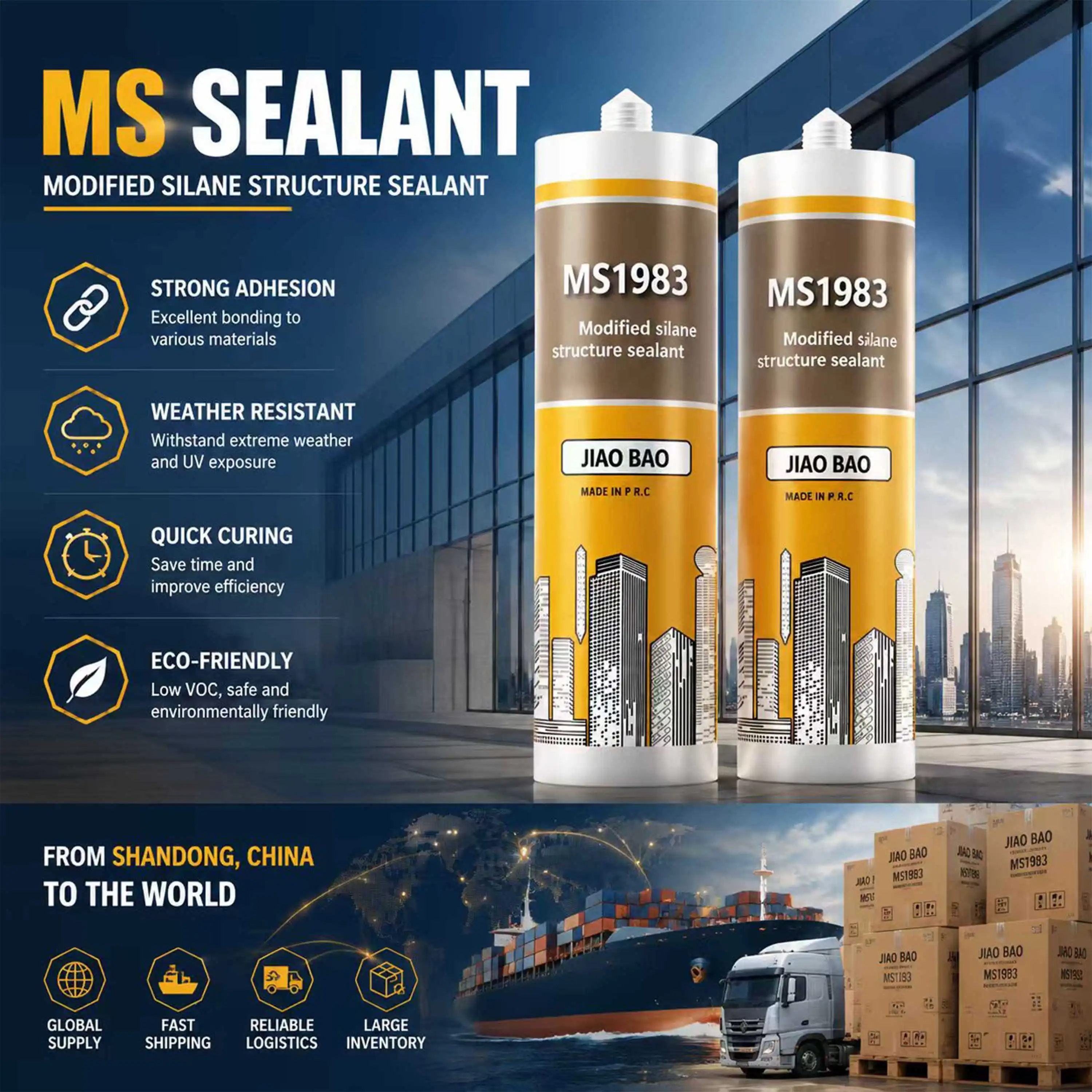
Selecting the right product is not simply about grabbing the strongest formula on the shelf. Metal type, joint movement, environmental exposure, and downstream finishing requirements all shape the decision.
Steel and galvanized substrates have different surface energies from anodized aluminum. A high-quality MS sealant multi-purpose adhesive bonds to both without a primer under clean, dry-to-slightly-damp conditions. Confirm the technical data sheet lists adhesion values for your specific substrate before ordering bulk quantities.
The outside metal joints are exposed to UV radiation, rain and thermal stress at the same time. Check for temperature resistance information (-40°C to 120°C ideally), UV stability ratings and weathering test results. Look to Shore A hardness about 45 and tensile strength of 2.2 MPa for a good mix of stiffness and flex for vibrating parts — bus panels, equipment housings.
Environmental certifications have actual selling power for companies entering the high-end living or commercial space. Products that emit minimal VOCs, such as those that fulfil EC1, French A+ or German GEV criteria, are increasingly important to architects and interior designers, as well as building certification systems like as LEED or BREEAM.
People who buy glue doesn't have to just stick with what they know if they know how MS polymer fits into the bigger picture.
As long as the surface is porous, silicone seals can leave oil marks and dry clear. They can also withstand high temperatures. As polyurethane glue dries, it gives off CO₂, which can cause things to bubble. Also, they have chemicals in them called isocyanates that can make your lungs more sensitive. Because epoxy systems are stiff, they shouldn't be used on parts that move.
MS sealants are in the middle. The following skills of theirs really make them stand out:
To cure that won't stain, make sure the silicone oil doesn't move around. If it does, black streaks will appear over time on stone or metal walls.
Even the best adhesive formula underperforms when application steps are skipped. Follow a consistent process to get reliable results.
Clean all metal surfaces to remove rust, grease, oil, and loose particles. A solvent wipe (isopropyl alcohol works well) removes contamination that would prevent adhesion. MS sealant tolerates slightly damp surfaces better than silicone, but remove standing water before application.
Load the 300 ml or 600 ml cartridge — or sausage pack — into a standard caulking gun. Apply a continuous, consistent bead. Tool the joint within the tack-free window: 25–40 minutes in summer conditions, 15–30 minutes in colder environments. Smooth the bead with a wet finger or tooling blade for a clean finish. Avoid disturbing the joint during the curing period.
Curing speed of MS sealant multi-purpose adhesive runs approximately 3.5 mm per day under standard conditions. For painting, allow full surface cure first. Most water-based topcoats and synthetic paints adhere directly to the cured surface without adhesion promoters — a significant workflow advantage on construction sites and assembly lines.
When they buy something, people who buy OEM and private-label goods do more than just look at the unit prices.
An honest company does more than just make things. You can also change the formula, the color to white, black, gray, or colors that are specific to the brand, help make the package, and fill out the paperwork that needs to be done. Also, make sure that the seller can make both 300 ml cartridges and 600 ml sausage packs that will last for a year.
New product lines can fail tests. Many brands have to keep a lot of stock that hasn't been sold because their suppliers require them to buy in large amounts at once. Small-batch trial runs are what you need if you need to test and get accepted. It usually takes between 6 and 10 weeks to finish the whole OEM cycle, which includes getting models approved and trying them in real life.
Before you talk about private brand needs, make sure you have an NDA that covers how to make the recipes and how the packages will look. People don't think twice about what to expect from a business that has been around for more than ten years.
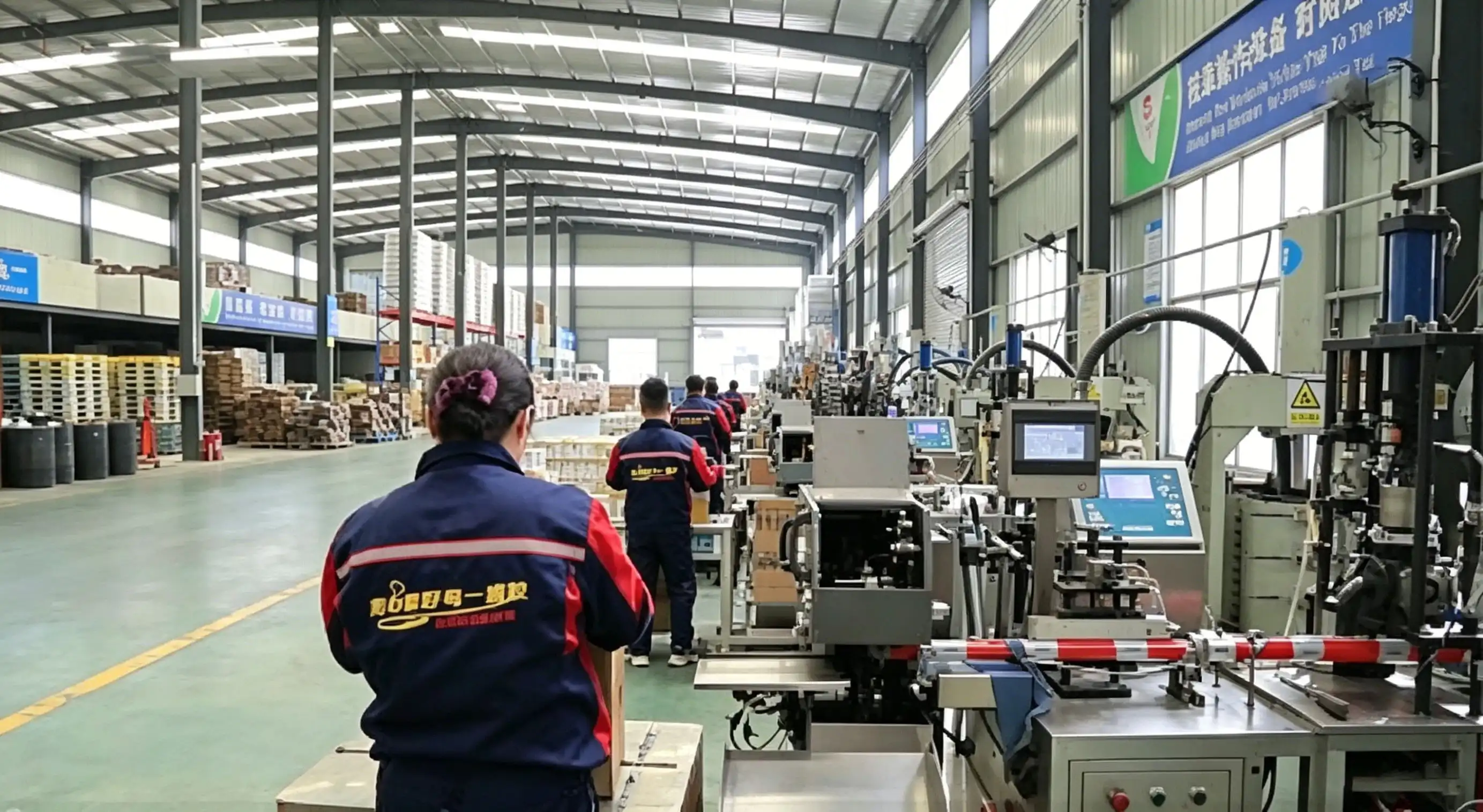
Since it's neither silicone nor polyurethane, MS sealant multi-purpose adhesive made from MS polymer may bond metals. Without solvents or isocyanates, it can stretch 400% and is useful for construction, vehicles, and industries. It sticks to many materials without priming. For brands constructing a product line around "one glue for the whole project," this chemistry supports it. You should examine more than pricing when choosing a supplier. Check their MOQ and OEM capabilities.
Yes. Unlike silicone, cured MS polymer accepts most water-based and solvent-based paints without an adhesion promoter. This makes it a preferred choice for interior trim, window frames, and facade joints where painted finishes are required.
Generally, no. Clean, grease-free metal surfaces — steel, aluminum, galvanized steel — bond directly without a primer coat. Always degrease the surface thoroughly before application.
MS polymer contains no isocyanates and no solvents. It releases only trace alcohols during curing. Polyurethane adhesives contain isocyanates, which are classified as respiratory sensitizers. MS sealant is the safer option for occupied indoor spaces.
Properly stored below 25°C, unopened cartridges and sausage packs carry a 12-month shelf life — consistent with standard polyurethane options and suitable for stable inventory planning.
Yes. The tested service range is -40°C to 120°C, covering outdoor facades in cold climates as well as HVAC ductwork and automotive engine-bay adjacent applications.
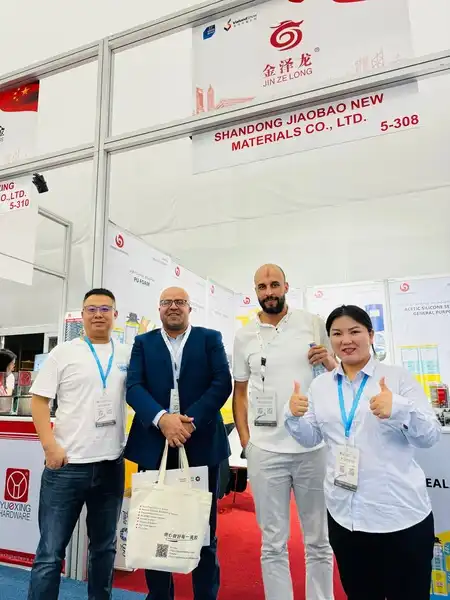
Everything that Jiaobao coats has been made there since 2013. It takes them one to two weeks to make something because they follow ISO and CE rules. With full OEM/ODM customization, our RTV MS sealant multi-purpose adhesive is available in 300 ml cylinders and 600 ml sausage packs. It is safe because of an NDA. Send an email to dorashen@cnjiaobao.com to ask for examples from our MS sealant multi-purpose adhesive seller.
1. E. M. Petrie Handbook of Adhesives in Sealants. McGraw-Hill, 2007.
2. Cognard, P. Handbook of The adhesives and Sealants, Book 2: General Knowledge, Application, New Curing. Elsevier, 2006.
3. ASTM International. ASTM C920: Elastomeric Joint Sealant Standard. ASTM, 2022.
ISO 11600: Building Construction—Jointing Products—Sealant Classification and Requirements. ISO, 2018.
5. "Durability of Polyurethane Sealants." Wolf, A.T. International Adhesion & Adhesives Journal, 2008.
6. Adhesives and Engineers. ME Publications, 1984.
November 16,2023
Enterprise Name
The sealant has very strong adhesion and performs well even on glass and aluminum. After curing, it remains flexible and shows no cracking. Perfect for our facade projects.
November 16,2023
Enterprise Name
Stable quality across batches. Our customers especially like the smooth application and consistent extrusion. It helps reduce installation time on site.
November 16,2023
Enterprise Name
I used it for bathroom sealing. Excellent waterproof performance and no mold issues so far. It's been holding up very well in humid conditions.
November 16,2023
Enterprise Name
The neutral silicone works well on sensitive materials without corrosion. Very suitable for industrial applications requiring stable performance.