November 16,2023
Enterprise Name
The sealant has very strong adhesion and performs well even on glass and aluminum. After curing, it remains flexible and shows no cracking. Perfect for our facade projects.
Oct 28, 2026
Fireproof neutral silicone sealant is a one-component, moisture-curing elastomeric sealant engineered to contain the spread of fire, smoke, and toxic gases through construction joints and penetration gaps. Unlike acetoxy-cure silicones, it releases non-corrosive byproducts during vulcanization, making it safe for use on steel structures, galvanized metal panels, aluminum, and coated glass.
When exposed to extreme heat, it undergoes controlled carbonization, forming a ceramic-like char layer that maintains joint integrity for a rated fire-resistance period. This combination of passive fire protection and material compatibility makes it the preferred choice for industrial facilities and steel-frame buildings.
The fireproof neutral silicone sealant is mostly made up of a polydimethylsiloxane polymer. Fillers that don't catch fire, like zinc borate and aluminum trihydrate, are added to it. In other words, these fillers soak up the heat and keep the fire from starting. For neutral curing, oxime or alkoxy are used most of the time. Byproducts that aren't acidic are made, and they keep metal substrates from rusting while they're being applied and afterward. That's what makes it different from normal silicones that harden and make acetic acid.
The silicone polymer material doesn't melt or drip when the joint temperature goes above 300°C. Fillers that put out fires are controlled carbonizers. This turns the material into a hard char that keeps flames and hot gasses from moving. When normal fire-resistance tests are done at temperatures above 1,000°C, this char layer keeps its shape. For the given amount of time, this keeps the parts separate.
This stuff is mostly used to seal growth gaps in steel-framed factories, holes in fire-rated walls and floors for pipes and wires, the edges of fire-rated doors and windows, and hot and wet metal roof panel joints. Clean the steel, concrete, or aluminum surface to get rid of oils, dust, and any loose coatings. This will help the fireproof neutral silicone sealant stick as well as it should.
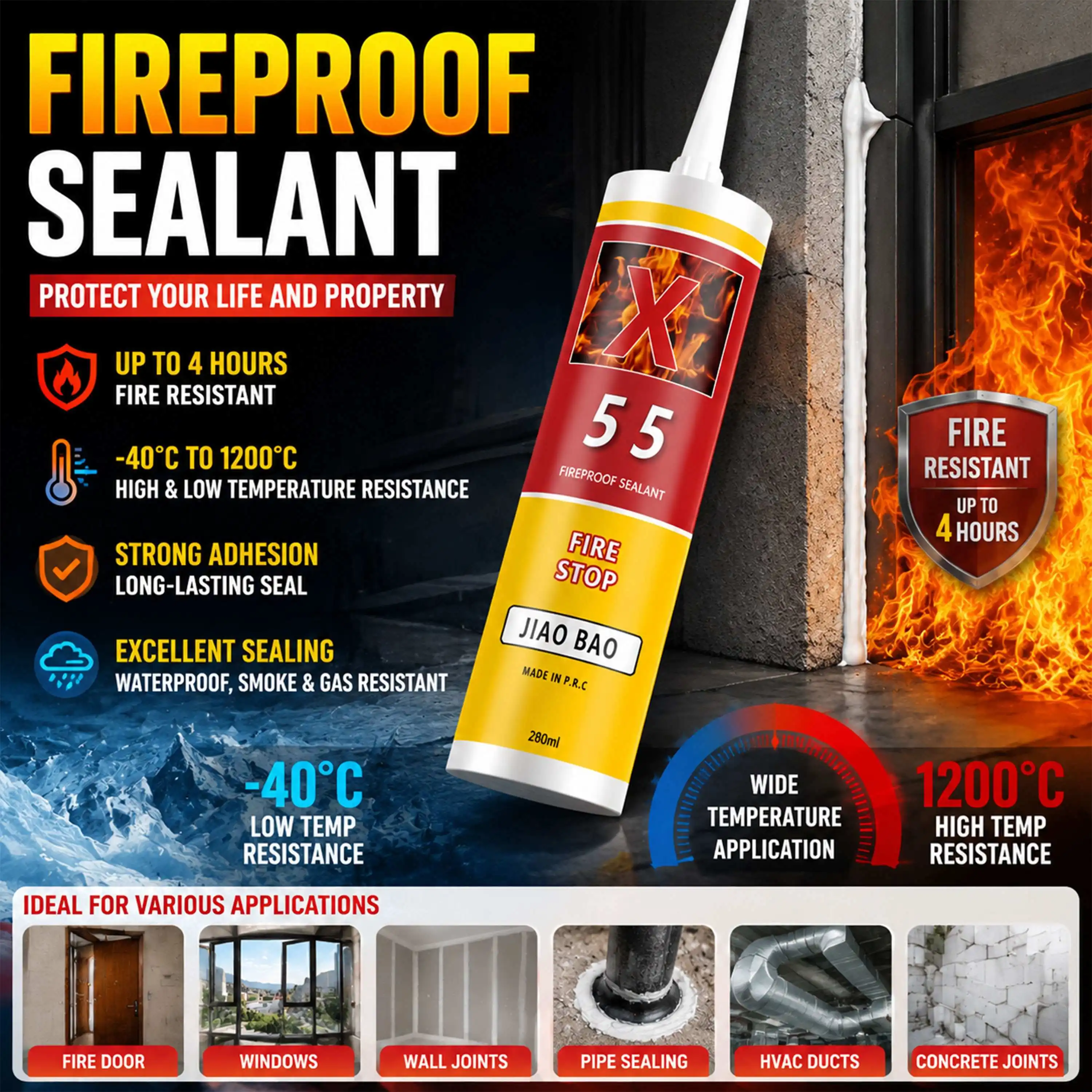
People all over the world know a few ideas about how fires work. In order to test through-penetration firestop systems, both UL 1479 and ASTM E814 heat the parts in furnaces over 1,000°C for one to four hours. This is also what EN 1366-4 does when they test in Europe. For that length of time, something with a F grade has been shown to stop flames from spreading. They should ask for this proof from the seller before giving them the go-ahead.
You can look at UL 94 and GB/T 2408 to see how vertical burning works. The sample is put on fire and then watched to see if it goes out on its own. If something says V-0 or FV-0 on it, it means it will stop burning in ten seconds and won't make any drips. ASTM E84 checks the sample area for the width of the spark and the amount of smoke that formed. These are put together so that they can work in a variety of home styles.
ISO 11600 sorts rubber sealants into groups based on how they can be moved and used. Check that the items you want to buy don't release too many volatile organic compounds (VOCs) and follow REACH rules for banned chemicals when you want to sell them abroad. Lack of halogens is very important for commercial buildings that are cut off from the rest of the world. People have a harder time getting out of these buildings safely because of the dangerous smoke from the fires.
Acetoxy silicone gives off sour acetic acid when it hardens. This acid breaks down zinc coats, copper wire lines, and aluminum extrusions in industrial steel-frame buildings. This weakens the links between the frames over time. This chance is gone if you use fireproof neutral silicone sealant that cures quickly. This type of product must be used when galvanized steel or another sensitive metal is present on the job. You don't have a choice; you have to do it for technical reasons.
Acrylic sealants that don't catch fire can be used to fill in gaps left by melted plastic lines because they spread out a lot when heated. How about acrylics? Also, they don't hold up well in bad weather or keep water out. When they break, they don't stretch very much. Fireproof neutral silicone sealant can stretch more than 400%, keep out water up to Class 1 W, and work the same way from -50°C to +150°C. It is the best choice for metal roof gaps and parts that are outside all the time because of this.
Polyurethane seals break down when exposed to UV light that lasts for a long time. Also, they get soft above 80°C, which means workplaces that are too hot to use them. It's simple to use foams that don't catch fire, but joints need to be able to move when the temperature changes over time. Fireproof neutral silicone sealant can stay stretchy for decades. These changes mean that joints don't need to be re-sealed as often. This helps big businesses save money on maintenance costs.
Before they place an order, they should ask for fire-resistance test results (ASTM E814 or EN 1366-4), adhesion test data on the specific materials used in the project, density and non-volatile content certificates, and proof that the product has a long shelf life. Proof that the steel buildings are pH neutral can be done with a litmus test or a data sheet from the seller.
In factories and other places like them, a lot of fireproof neutral silicone sealant is used. An outer project for a building that is used for more than one thing may need a lot of cartridges and sausages. Suppliers need to be able to prove they can make both 300 ml cartridges and 600 ml sausages. They should also be able to say that production takes no more than two weeks and that they keep records of production to show that each batch is of the same quality. Being able to mark as an OEM is also helpful for projects that need to follow certain naming rules.
It is best to keep fireproof neutral silicone sealant below 27°C in their original, sealed boxes. The pre-cure steps in the cartridge work faster when it's hot. This shortens the time it takes for the substance to stop sticking together, which might change the final density. Keep things that have been stored for more than a year away from fire-rated parts. The drying agent could break down, and the seal won't meet its fire-resistance rating.
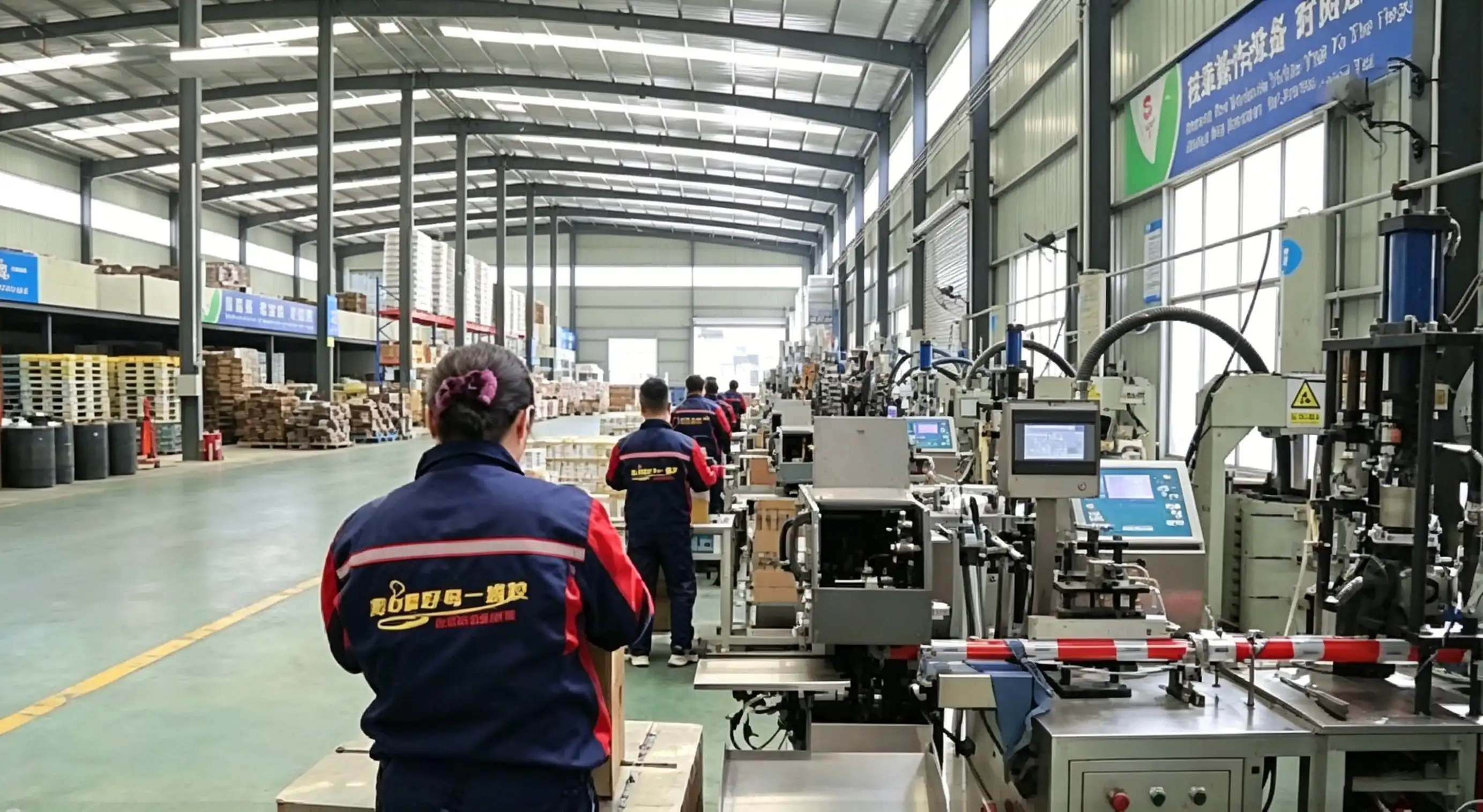
Since 2013, Shaanxi Jiaobao New Material Co., Ltd. has been making silicone sealants. For more than thirteen years, they've been making acetoxy, neutral, structural, and waterproof pastes. With ISO and CE licenses, the company can bring goods into many major global markets and follow the rules. These include Southeast Asian industrial zones. People who bought the goods in US industrial parks and on foreign project sites have checked that the quality of each batch matches what is written on the public technical data sheets.
From Jiaobao, the one-part RTV fireproof neutral silicone sealant comes in the form of a paste. Every 24 hours, it gets 3 mm harder, and in 45 to 60 minutes at 25°C and 50% relative humidity, it stops being sticky. Goodbye! The density is 1.40 ± 0.05 g/cm³, 99.5% of it is not variable, and the joints are straight and don't bend at all. It comes in boxes that are white, black, gray, or any color you want for 300 ml cartridges and 600 ml sausages. It can be kept for a year. -50°C to +150°C is a temperature range that works for thermal cycles in buildings with metal roofs.
For the first time, Jiaobao gives building tips for a different kind of project. Plus, if a batch is found to be bad within the shelf life, they will either pay you back or send you a new one. Making something takes only one to two weeks, so procurement teams can plan supplies around building dates and don't need to keep too much stock on hand. There are a lot of freight lines in Jiaobao that go by both land and sea. That makes it easy for purchasing managers to get fireproof neutral silicone sealant for projects in the US and other countries.
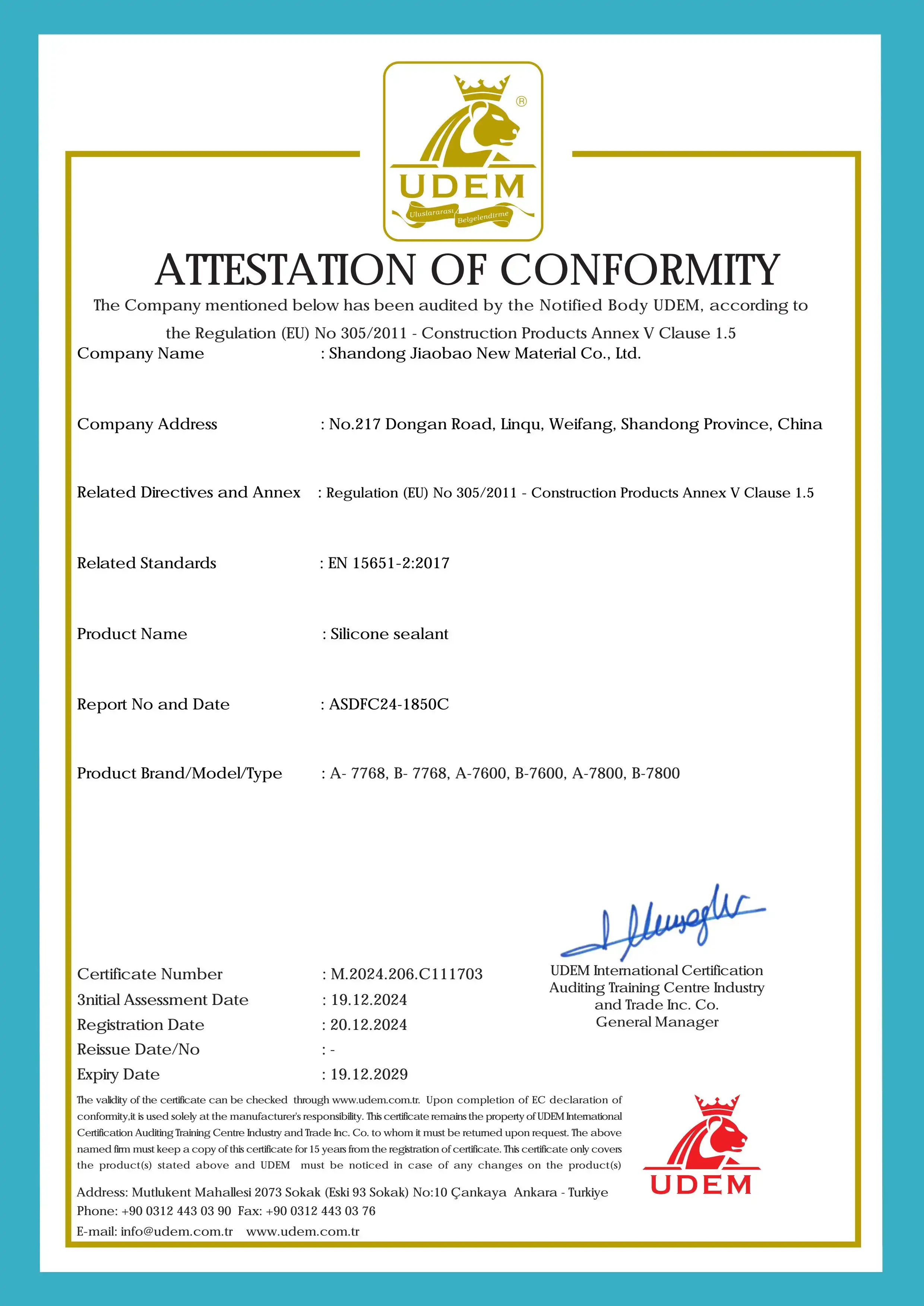
When putting together an industrial building, the joints between the parts must be sealed to keep fire, smoke, and water out. If the fireproof neutral silicone sealant comes in contact with metal, it doesn't hurt it. It's easier for buying staff to pick a supplier when they know how it dries, what tests show it can't catch fire, and how it's different from other sealers. That's what Jiaobao makes, and it works well for industrial steel-frame jobs. It has also looked over licenses and specs. A test report or sample of the product is still the best way to be sure of how well it works before you buy a lot of it.
No fireproof neutral silicone sealant can completely put out a fire. Likely between one and four hours, it's meant to keep smoke and fire inside for a while so people can leave the house and put out the fire. You can't put out a fire with it; it's just a tool for moving things around. A common heating test, like ASTM E814, tells us how long the grade will last.
There are times when good fireproof neutral silicone sealants can be used on smooth steel and metal without first being primed. You should use the right primer and see how well it sticks to the surface before putting a fire-rated joint on a porous surface like metal or concrete that has been chemically treated.
Paint doesn't stick well to silicone rubber that has become stiff, and it will break as the fireproof neutral silicone sealant moves and the joint grows. It's not the best way to match the color to paint over the finish. That color of sealer is what you should order instead.
The healing agent might not break down for twelve months. This might make it take longer or not happen at all to heal. If the fireproof neutral silicone sealant isn't fully closed, it won't hold up as well to fire. Always check the date that the batch was made before installing.
Jiaobao's fireproof neutral silicone sealant lets joints move 20% to 50% after it's fully set. The amounts given are enough to cover the temperature changes that happen in different parts of commercial buildings with metal roofs.
Jiaobao sells fireproof neutral silicone sealant that has been checked and found to meet ISO and CE standards. The shelf life is twelve months, and the time it takes to make is one to two weeks. It's been thirteen years since this item was made. Whether you need a small amount to try or a lot to work with us on making fireproof neutral silicone sealant, our team gets back to you quickly. To get technical data sheets or a project quote, email us at dorashen@cnjiaobao.com or go to shandongjiaobao.com.
1. ASTM International. ASTM E814: Standard Test Method for Fire Tests of Penetration Firestop Systems. ASTM International, 2021.
2. Underwriters Laboratories. UL 1479: Fire Tests of Through-Penetration Firestops. UL Standards, 2022.
3. European Committee for Standardization. EN 1366-4: Fire Resistance Tests for Service Installations — Linear Joint Seals. CEN, 2021.
4. International Organization for Standardization. ISO 11600: Building Construction — Jointing Products — Classification and Requirements for Sealants. ISO, 2022.
5. ASTM International. ASTM C920: Standard Specification for Elastomeric Joint Sealants. ASTM International, 2022.
6. National Fire Protection Association. NFPA 101: Life Safety Code. NFPA, 2021.
November 16,2023
Enterprise Name
The sealant has very strong adhesion and performs well even on glass and aluminum. After curing, it remains flexible and shows no cracking. Perfect for our facade projects.
November 16,2023
Enterprise Name
Stable quality across batches. Our customers especially like the smooth application and consistent extrusion. It helps reduce installation time on site.
November 16,2023
Enterprise Name
I used it for bathroom sealing. Excellent waterproof performance and no mold issues so far. It's been holding up very well in humid conditions.
November 16,2023
Enterprise Name
The neutral silicone works well on sensitive materials without corrosion. Very suitable for industrial applications requiring stable performance.