November 16,2023
Enterprise Name
The sealant has very strong adhesion and performs well even on glass and aluminum. After curing, it remains flexible and shows no cracking. Perfect for our facade projects.
Oct 29, 2026
If you manage a door and window manufacturing line, you already know that a failed seal costs more than just materials — it costs customer trust. GP door and window silicone sealant is a one-component, moisture-curing RTV formula engineered specifically for glass-to-frame joints. With a tack-free time of just 15 minutes, tensile elongation exceeding 300%, and bond strength up to 1.5 MPa, it creates an airtight, waterproof barrier that directly reduces heat transfer and air leakage — two of the biggest contributors to building energy loss.
Most glues were never made to stand up to the heat that a window joint faces every day. A GP silicone caulk for doors and windows is made with an acetoxy-cure RTV method. It changes from a thick paste to a flexible rubber gasket when it comes in contact with water in the air. The frame can move without cracking in this end state, which is like rubber. This is very important for aluminum frames because their rate of thermal expansion is very different from glass's.
It is said by the U.S. Department of Energy that air leaks waste 25–40% of the energy used to heat and cool homes. One of the main ways water gets in is through the joints around the window frames. If you use silicone window sealant the right way, it can close up small gaps between glass and aluminum profiles. This stops convection, which is where heat loss starts. This makes HVAC systems less busy, which is good for both people who use them and the companies that make them.
Jiaobao's GP silicone mixture sticks well to float glass, coated profiles, and ceramics that have been fired. If you use a production line that has different frame colors and surface treatments, you won't have to keep track of as many different product SKUs. You can make the formula in white, black, gray, or any color you want, so the finished seal will match the frame. Customers will be grateful for this small detail, which will help them not have too many problems after the sale.
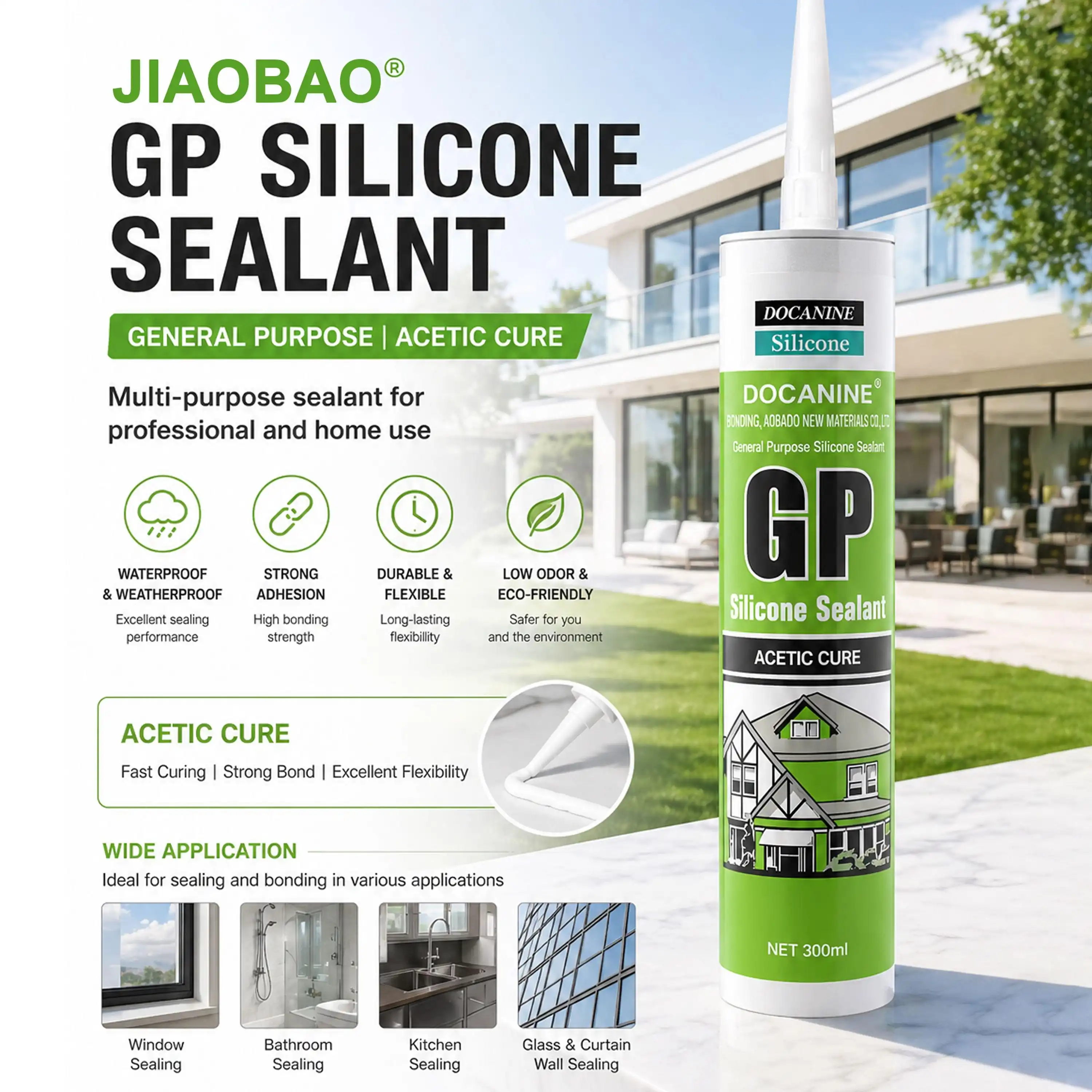
Heat can escape through any gap that isn't properly sealed. GP door and window silicone sealant uses an acetoxy silicone formula that performs in temperatures from -50°C to +150°C. It remains flexible through changing weather conditions, helping prevent the hardening and cracking that can affect lower-quality materials. By keeping the joint covered all the time, the caulk stops heat bridges in metal frame systems. One way that windows lose energy that is often forgotten is that they let air in.
Here are the main performance traits that help the production line use heat more efficiently:
The two most common warranty claims in window production are about drafts and water getting in. These features work together to stop both of these claims. Getting rid of these flaws while the product is being made will save your company money and time in fixed costs that come up after the sale.
Water hurts more than just the joint when it gets into window joints. It speeds up the rusting of the frame, makes soundproofing less effective, and helps mold grow in wall spaces. The GP silicone mixture doesn't react with water, acids, oils, or solvents once it's hardened. The hydrophobic surface keeps water from sticking to it, and the seal stays in place even after a long time of rain. End contracts for companies that send goods to humid places like Central Asia or Africa love how long these things last.
GP silicone can stretch over 300%, while acrylic sealants can only stretch 100% before they break. Acrylic sealants are cheaper and can be painted over. Rubber seals break after two to three years in places where the temperature changes a lot. This leads to warranty claims. Vinyl window companies that offer long-term quality guaranties have to pay for acrylic, not because they like it.
It's true that polyurethane doesn't stay stable in UV light, which is a known issue when it comes to outdoor window glazing on metal and glass that doesn't have pores. When something is exposed to the sun for a long time, it turns the surface white and raises the stiffness, which breaks the joint. With UV light, GP silicone's polymer backbone doesn't break down. This makes it the better choice for glass-to-frame exterior seals that are in full sunlight.
GP door and window silicone sealant of this type can be used on both anodized aluminum and float glass because it cures faster and costs less. However, when it dries, it gives off acetic acid, which means it shouldn't touch copper, brass, raw (uncoated) metal, or mirror backing. The best GP silicone for those surfaces is one that cures at room temperature. You can avoid problems with adhesion in the field by making sure the substrate is right before agreeing to a formulation.
Before you use window frame sealer, make sure the surface is clean, dry, and free of frost, oil, and dust. If there is water on the surface, there can't be a chemical bond between the sealant and the base. Most of the time, isopropyl alcohol is used to clean anodized aluminum shapes before they are used. Most glue fails in field checks because this step is skipped.
Between 5°C and 40°C is the best temperature range for a given task. It takes a lot longer to cure when you put it on when it's cooler. It can smooth the surface before the bead is tooled if it is put on in direct sunlight above 40°C. This traps air pockets in the joint. Setting the right conditions in the application bay is an investment that yields high quality scores for lines that make many things.
If you're looking for a place to buy GP door and window silicone sealant, these tips will help you pick the right one:
The lead time for production of GP door and window silicone sealant at Jiaobao is one to two weeks, and they offer a range of shipping options by sea and land. For factories that cannot afford downtime, this is very important.
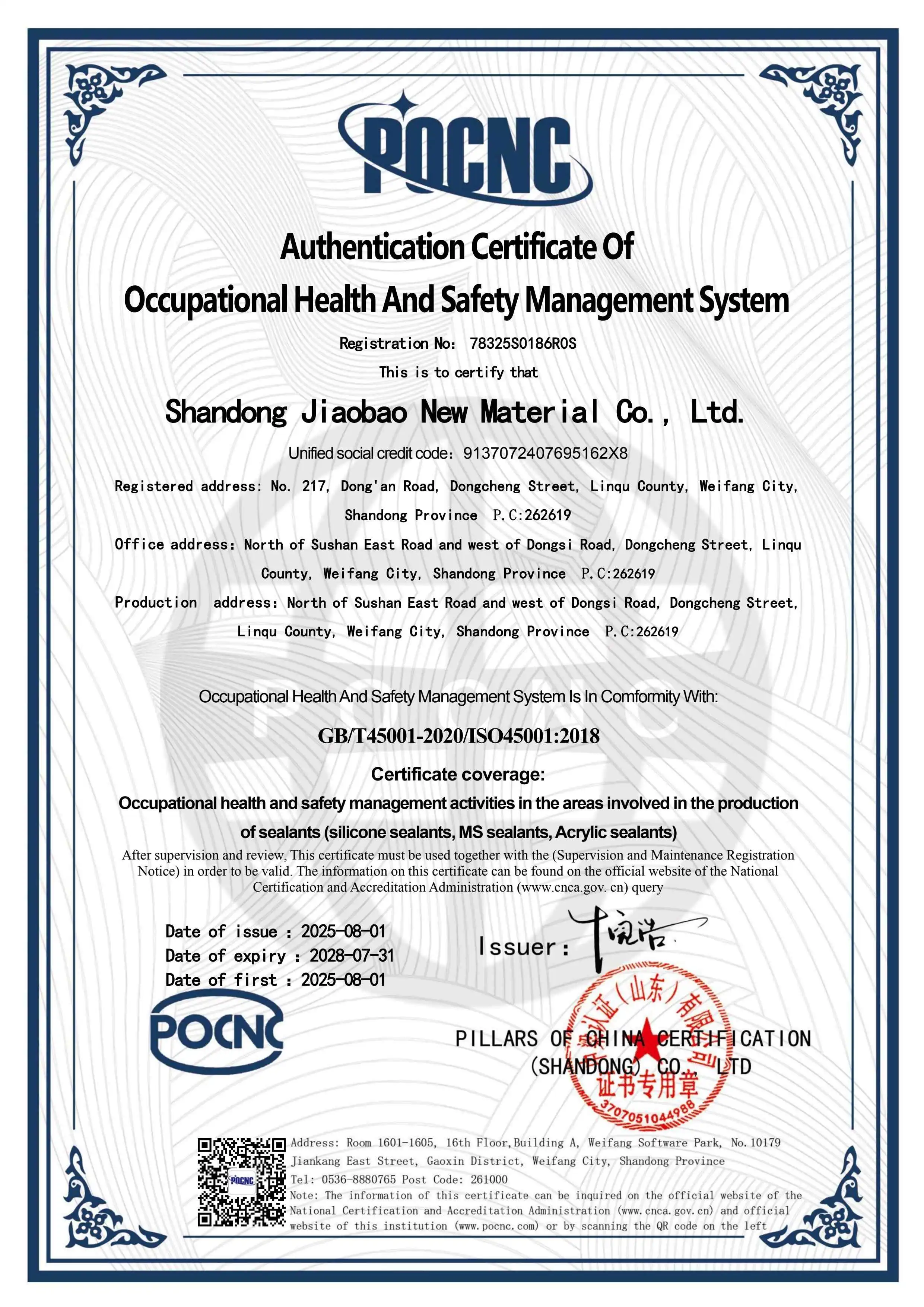
Under IECC 2021, the U.S. passed tougher energy rules that say home windows must have lower rates of air leakage. The European Union's Energy Performance of Buildings Directive (EPBD) also makes it harder for air to get into buildings. Because of these rules, companies that make windows have to pick border sealants that work better. This turns the category from an item to a way to show off the quality of different goods.
People who want to do green building projects want silicone window sealants that don't contain solvents or volatile organic compounds (VOCs). By making changes to the formula, less acetic acid is being released during drying, which doesn't slow down bonding. This fixes one of the main issues with acetoxy-cure goods in areas where they need to be put together.
Every year, architects and builders need to be able to match the color of the sealant to the finish of the frame. This is because window styles are becoming more slim and architectural colors other than white and gray are becoming more popular. Jiaobao lets customers match colors perfectly, which makes it easy for OEMs and wholesalers to find a product that fits their line.
Choosing the right window frame sealer is important because it affects how well your windows keep out heat and cold, how well they fight water damage, and how long they last. GP door and window silicone sealant has been tested for reliable adhesion, temperature resistance and stable on-site performance. It will reduce the number of defects, keep your warranty valid, and help your customers meet energy compliance standards. With 13 years of manufacturing experience and ISO/CE certification, Jiaobao's formula is made to meet these needs consistently in every batch that is sent out.
No. Silicone is hydrophobic, so paint will not adhere to the cured surface. If painting is required, complete it before applying the sealant, or select a paintable hybrid sealant for that specific joint.
Acetoxy cure releases acetic acid during curing — recognizable by its vinegar odor — and cures faster but can damage copper, brass, or mirror backing. Neutral cure is odorless, non-corrosive, and compatible with a wider range of substrates, including stone and concrete.
A properly applied silicone window sealant on a clean, prepared substrate typically performs for 15–20 years under normal weathering exposure, based on accelerated aging data per ASTM C719 standards.
Yes. Below 5°C, moisture-cure silicone cures very slowly. Above 40°C, surface skinning can occur prematurely. The optimal application range is 15°C–35°C for consistent results.
Expired sealant may fail to cure or cure unevenly due to cross-linker degradation. Always check the batch date and confirm the 12-month shelf life before using product stored in the warehouse.
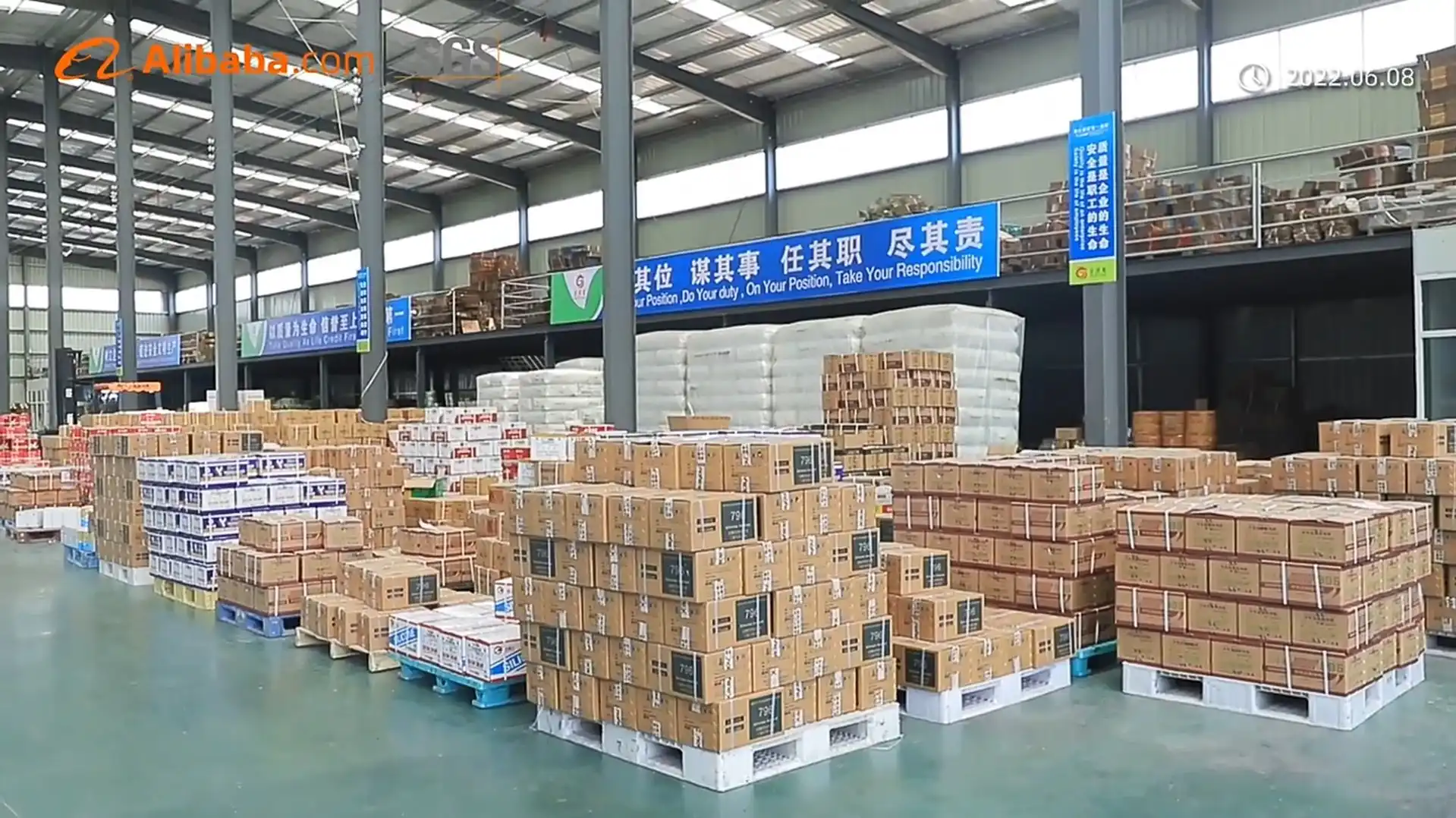
Jiaobao has been selling GP door and window silicone sealant to window makers and distributors in Asia, Central Asia, and Africa for over 13 years. We're ISO and CE-certified, and our production wait time is one to two weeks. We also offer flexible OEM/ODM choices and a quality guaranty that lets you get your money back or a new product within the shelf life. This makes us perfect for factories that need to buy a lot. Send our team an email at dorashen@cnjiaobao.com or visit shandongjiaobao.com to get samples or talk about how to make your order.
1. American Society for Testing and Materials (ASTM). ASTM C920: Standard Specification for Elastomeric Joint Sealants. ASTM International, 2022.
2. U.S. Department of Energy. Energy Efficiency in Residential Buildings: Air Sealing and Insulation. Office of Energy Efficiency and Renewable Energy, 2021.
3. International Code Council. International Energy Conservation Code (IECC) 2021. ICC, 2021.
4. European Commission. Energy Performance of Buildings Directive (EPBD) Recast. Official Journal of the European Union, 2023.
5. International Organization for Standardization. ISO 11600: Building Construction — Jointing Products — Classification and Requirements for Sealants. ISO, 2019.
6. Wolf, A. T. Durability of Silicone Sealants in Construction: Performance Data and Field Experience. Progress in Organic Coatings, 2020.
November 16,2023
Enterprise Name
The sealant has very strong adhesion and performs well even on glass and aluminum. After curing, it remains flexible and shows no cracking. Perfect for our facade projects.
November 16,2023
Enterprise Name
Stable quality across batches. Our customers especially like the smooth application and consistent extrusion. It helps reduce installation time on site.
November 16,2023
Enterprise Name
I used it for bathroom sealing. Excellent waterproof performance and no mold issues so far. It's been holding up very well in humid conditions.
November 16,2023
Enterprise Name
The neutral silicone works well on sensitive materials without corrosion. Very suitable for industrial applications requiring stable performance.