November 16,2023
Enterprise Name
The sealant has very strong adhesion and performs well even on glass and aluminum. After curing, it remains flexible and shows no cracking. Perfect for our facade projects.
Oct 30, 2026
Yes — a properly certified fireproof building silicone sealant can stop both smoke and flames, but only when it meets verified fire-rating standards and is applied correctly. These sealants are engineered to seal gaps around doors, windows, and structural joints, forming a heat-resistant barrier that blocks the passage of toxic gases and open flames for a certified duration — typically 1 to 3 hours. Unlike standard architectural silicone, a fire-rated sealant chars rather than melts, maintaining compartment integrity during an active fire event. The key word here is "certified": without valid test reports, no sealant should be trusted in life-safety applications.
A fireproof silicone caulk is an elastomeric material that hardens when it comes in contact with water and is made with flame-retardant ingredients. It turns into a solid, carbonaceous char layer when heated, which literally stops flames and smoke from moving through cracks and holes. This is very different from regular waterproof silicone, which burns and softens.
This type of product is governed by two main certification frameworks. ASTM E814 (UL 1479) covers entry seals in the U.S., while ASTM E1966 (UL 2079) covers joint systems. Both give F-Ratings (for flame resistance) and T-Ratings (for temperature transfer control). Fire safety is graded at set times in Europe and other places that need EN 1366-3: EI 30, EI 60, EI 120, and EI 240. The procurement team should always ask for the exact test report that matches the assembly requirements of their project.
Fire-resistant seals make it harder for fires to start, but they don't keep joints from breaking during a long fire. Products that are fireproof, on the other hand, are tested in full furnace assemblies and must stay sealed for the whole time that they are rated. Products that have recorded furnace test results from accredited labs are the only ones that meet the requirements for passive fire protection in business and industrial buildings with fireproof building silicone sealant.
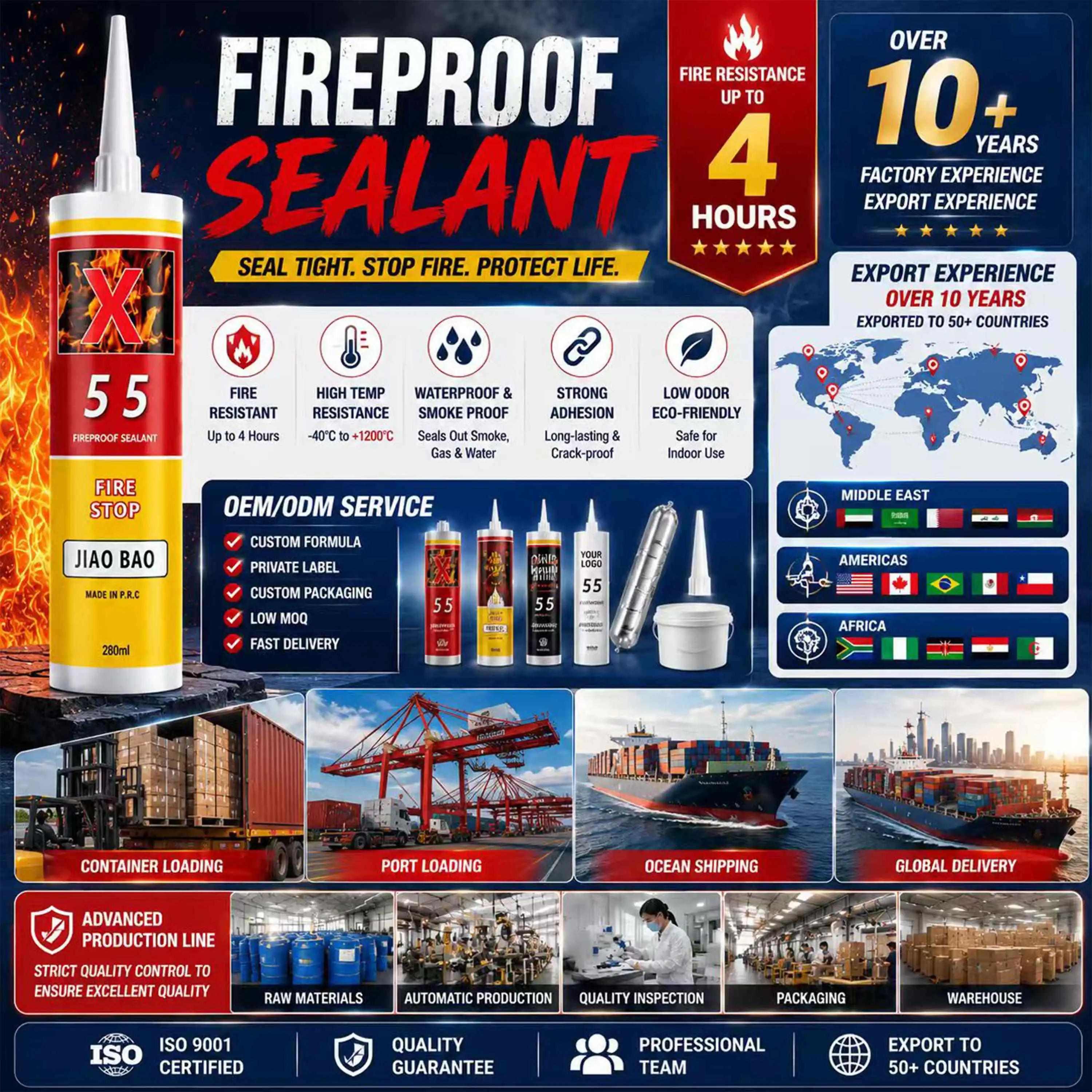
This material is the most important one for three types of building projects. The perimeter joints of a curtain wall, which are the spaces between the floor blocks and the outside covering, need a sealant that can handle temperature movement and smoke sealing at the same time. Another common use is putting MEP penetration seals around metal pipes and cable bundles that go through rated walls. It's also important for expansion joints in concrete walls, which can be affected by structural movement and earthquake drift, to have a lubricant that can move with the wall without breaking.
ASTM E814 says that a qualified sealant must keep its cover when it is introduced to a normal time-temperature curve that goes from about 927°C after 30 minutes to over 1,000°C after 60 minutes. Products that can move ±25% to ±50% according to ASTM C719 can handle changes in the building without coming apart, which is something that rigid firestop mortars can't do. Silicone is the best material for dynamic joint uses because it can withstand high temperatures and is also very flexible.
Before taking any materials to the job site, engineers should check three things: the lot number on the cartridge or sausage pack, the batch test certificate that goes with it, and the installation detail drawing that was used in the original fire test. No matter what the product's rating says, if you apply a sealant less than the tested minimum (usually 6–12 mm depending on joint width), the fire certificate is null and void.
Each chemistry has a specific job to do, and mixing them up is a bad idea that can cost you a lot of money. Intumescent acrylic sealants get bigger when they get hot. This makes them the best choice for sealing around plastic pipes that could catch fire because the growth squeezes the melting pipe together and seals the gap. Silicone-based goods, on the other hand, don't grow much; they char and stay in place, which makes them perfect for metal-framed assemblies, glass facades, and gaps in materials that don't catch fire. Acrylic firestopping materials are cheap and can be painted, but they can't move very much, so they can't be used in facade joints.
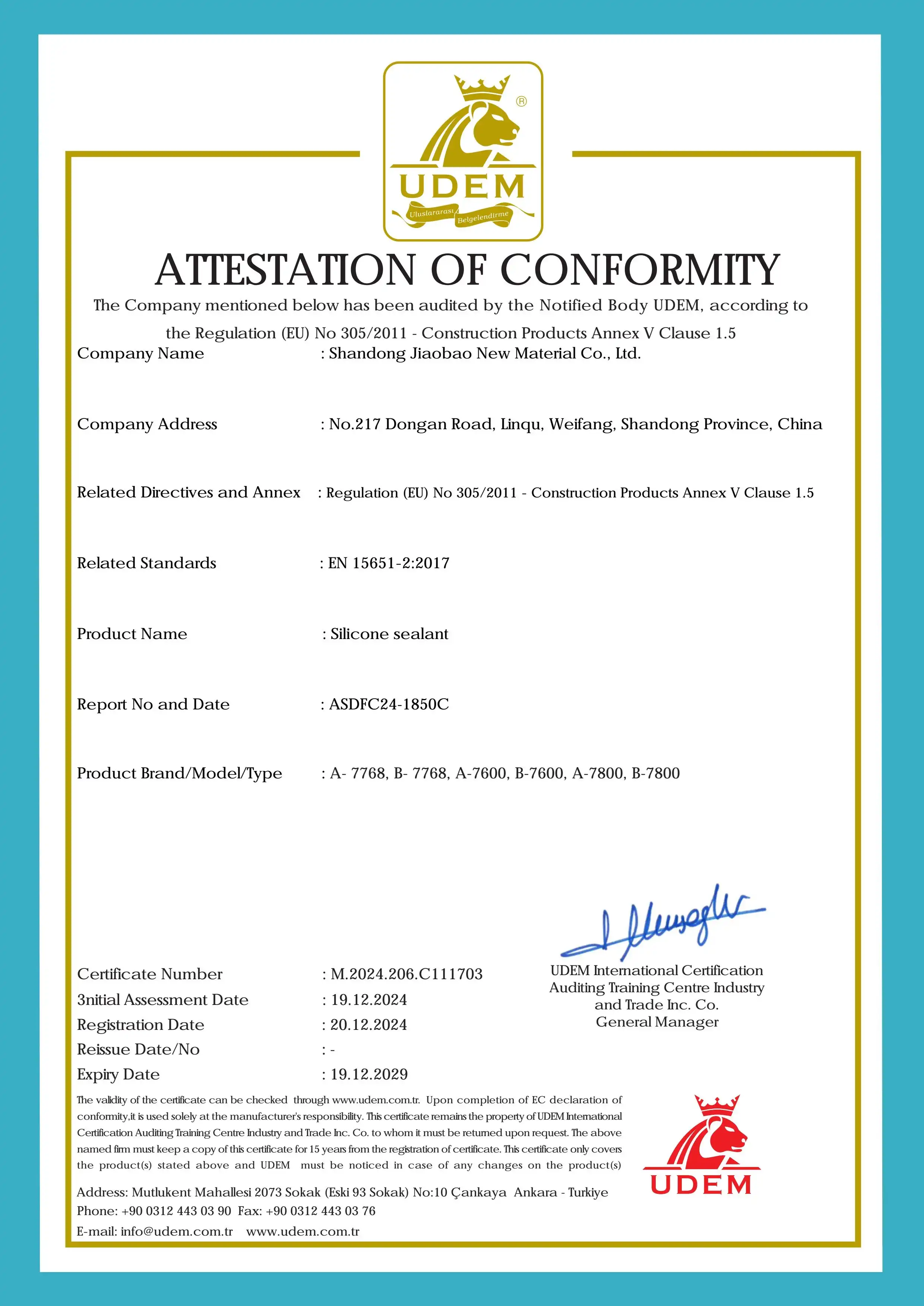
European names that are brought in from other countries usually cost three to five times as much as similar approved domestic brands. Not the brand itself, but the validity of the certification: does the seller have a current, third-party type test report from a recognized laboratory (like UL, Intertek, or a CNAS-accredited body)? Does that report cover the specific joint geometry used in your project? If all the paperwork is in order, buying a product made in the United States that is certified by both ISO and CE is a safer and more cost-effective way to get supplies for multiple projects.
For big commercial projects, consistent batch quality is just as important as the first test result. The buying teams should check the minimum order numbers, wait times (aim for 1–2 weeks), and the supplier's written quality control process for fireproof building silicone sealant. For large joints, sausage pack formats (600 ml) cut down on cartridge waste, while 300 ml cartridges are better for fine work around door and window frames.
Before you place an order, you should always ask for these things: a current type inspection report that references the target standard (ASTM E814, EN 1366-3, or an equivalent); the product's CE or UL certificate, if it applies; and a Safety Data Sheet (SDS) that confirms the VOC content is below 50 g/L for LEED-sensitive projects. Compliance risks exist for suppliers who can't provide these papers within 48 hours of being asked to do so.
This type of product has a standard shelf life of 12 months. If the material is past its expiration date, a skin will form inside the cartridge or the resistance will be higher than the normal extrusion force. When storing things, they should stay between 5°C and 25°C and out of direct sunlight. Ask for a standing supply agreement that spells out delivery lead time, batch traceability, and replacement terms for any quality issues during the warranty period if you need a steady supply for more than one project.
Any trustworthy company that sells safe glue for building projects should give samples to a third-party lab for testing before committing to buying in bulk. The normal evaluation cycle lasts for 15 to 30 days and includes trying the adhesiveness on the substrate types used in the project (concrete, metal, and glass) and looking at the cured sample to see if it flows or sags (the goal is 0 mm according to GB 13477). Ask for samples in the two colors that will work best for your project: black, white, gray, or a custom match.
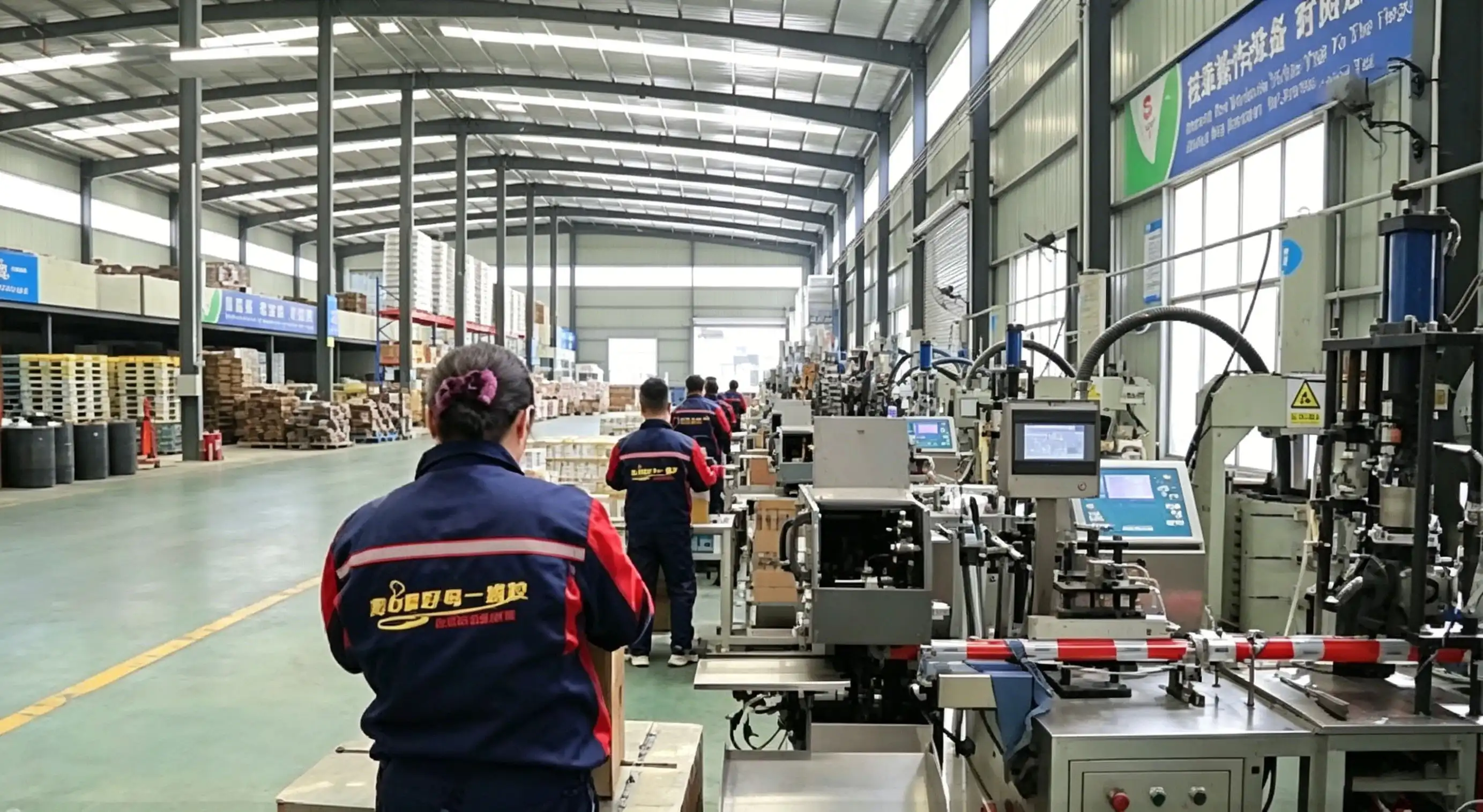
Field performance loss is mostly caused by lack of adhesion. Where the test report says so, surfaces must be clean, dry, and prepared for fireproof building silicone sealant. The temperature at which you apply the film should be between 5°C and 40°C. Applying to a substrate that is frozen or wet has been shown to fail. It usually takes 45 to 60 minutes for the surface to dry at 23°C/50% RH, and it takes about 3 mm per 24 hours to fully cure.
As part of the building's yearly fire safety check, fire-rated joint seals should be looked at. Inspectors should look for cohesive or adhesive cracks, UV damage at parts that are exposed to the sun, and any mechanical damage from building repair work. If you use a sealer that works from -50°C to +150°C, it won't break down under regular use. However, if you drill or cut near sealed joints, you need to fix the damage right away to keep the rated integrity.
As green building standards around the world get stricter, low-VOC and halogen-free formulations are becoming more popular. Both LEED v4 and BREEAM give points to passive fire safety materials that don't contain VOCs. Some companies are also working on sensor-compatible joint designs that let building management systems know when a seal moves. This is in line with the growing need for real-time fire safety tracking in key infrastructure and high-rise buildings.
A fireproof building silicone sealant can put out both smoke and flames, but only if it comes from a seller with quality control that can be tracked and has valid test paperwork. Because it is resistant to thermal char, flexible, and chemically stable, the material is the best choice for facade joints, MEP penetrations, and firewall expansion joints. It is recommended that procurement teams put licensing paperwork ahead of brand recognition, ask for samples before committing to buying in bulk, and check the tracking of each batch throughout the project's supply chain. This type of sealer does exactly what it's supposed to do when those standards are met.
Yes, fire-rated silicone sealants are tested to make sure they don't melt in flames and don't let smoke get through. The char layer that forms when something is heated up stops hot gases and toxic smoke from moving through. This is usually what kills most people in building fires. But performance depends on how deep the installation is done and how well the substrate sticks to it.
If you use a fire-rated silicone caulk the right way, it will keep its mechanical and chemical qualities for the life of the building. It is suggested that joints that move a lot be inspected once a year to look for damage or loss of adhesive.
No, silicone seals don't really spread. They burn and stay in place. For holes in flammable plastic pipes, you need an intumescent acrylic product, which grows bigger when heated to fill the space left by a pipe melting.
If you apply the sealant less deeply than what is written in the fire test report, the fire rating is null and void. It's usually between 6 and 12 mm, but it depends on the width of the joint. Always carefully follow the tested installation steps.
Painting doesn't stick to a silicone-based surface, and neither does most silicone-based goods. At the time of order, choose the right color (white, black, gray, or custom) to match the finish on the substrate.
Jiaobao has been making silicone sealants since 2013. We are a fireproof building silicone sealant provider that can offer ISO and CE-certified products with full test documents from a third party. We have 300 ml and 600 ml sizes in white, black, gray, or custom colors. Lead time is one to two weeks, and shipping can be done by sea or land. You can get samples before committing to a bulk order. To get pricing and documentation, please email our technical team at dorashen@cnjiaobao.com.
1. ASTM International. ASTM E814: Standard Test Method for Fire Tests of Penetration Firestop Systems. ASTM International, 2023.
2. Underwriters Laboratories. UL 2079: Tests for Fire Resistance of Building Joint Systems. UL Standards, 2019.
3. European Committee for Standardization. EN 1366-3: Fire Resistance Tests for Service Installations — Linear Joint Seals. CEN, 2021.
4. National Fire Protection Association. NFPA 101: Life Safety Code. NFPA, 2024.
5. International Code Council. International Building Code (IBC): Chapter 7 — Fire and Smoke Protection Features. ICC, 2021.
6. Journal of Fire Sciences. "Thermal Performance of Elastomeric Joint Seals Under Standard Fire Exposure." SAGE Publications, 2020.
November 16,2023
Enterprise Name
The sealant has very strong adhesion and performs well even on glass and aluminum. After curing, it remains flexible and shows no cracking. Perfect for our facade projects.
November 16,2023
Enterprise Name
Stable quality across batches. Our customers especially like the smooth application and consistent extrusion. It helps reduce installation time on site.
November 16,2023
Enterprise Name
I used it for bathroom sealing. Excellent waterproof performance and no mold issues so far. It's been holding up very well in humid conditions.
November 16,2023
Enterprise Name
The neutral silicone works well on sensitive materials without corrosion. Very suitable for industrial applications requiring stable performance.